
“I Felt Safe. I Belonged. I Felt Welcome." | Joseph & Tamar Reflection

“I Felt Safe. I Belonged. I Felt Welcome.”
The Inaugural Joseph & Tamar Conference: Breaking Silence, Building Bridges, and Creating Safer Sacred Spaces
Raleigh, North Carolina | November 14, 2026
“I felt safe.” “I belonged.” “I felt welcome.”
These were among the sentiments shared by participants following the inaugural Joseph & Tamar: The Unseen Dreamer and Forgotten Believer Conference. While there are many ways to measure the success of an event, these words alone remind us that our mission was accomplished.
For a conference addressing sexual violence, spiritual trauma, and safety within sacred spaces, hearing that participants felt welcomed, supported, and that they belonged was especially meaningful. After all, safety is not simply the absence of harm. It is the presence of dignity, compassion, understanding, and the freedom to exist without feeling that one's experiences must be hidden or made more comfortable for others.
At Love Is A Parable, our bridge-building work has taught us that meaningful conversations are necessary, but conversations alone are insufficient. We must also provide tangible examples of the environments we encourage others to create. This understanding helped shape the conference. Rather than simply discussing safety, healing, and accountability, we intentionally brought together trusted individuals, advocates, mental health professionals, and organizations capable of connecting participants with supportive environments and resources beyond the event itself.
We wanted people to encounter more than ideas about what should change. We wanted them to experience what change could look and feel like.
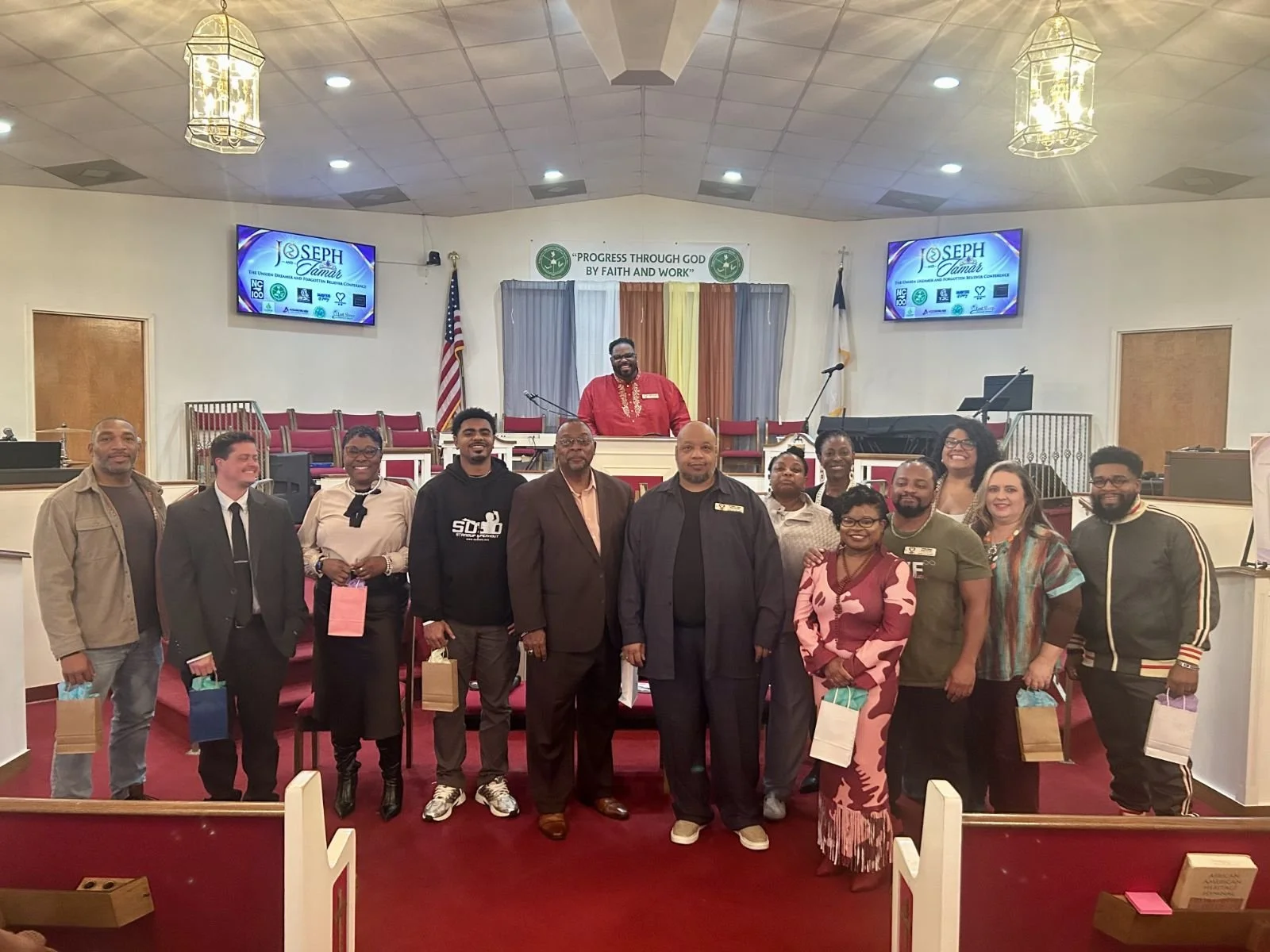
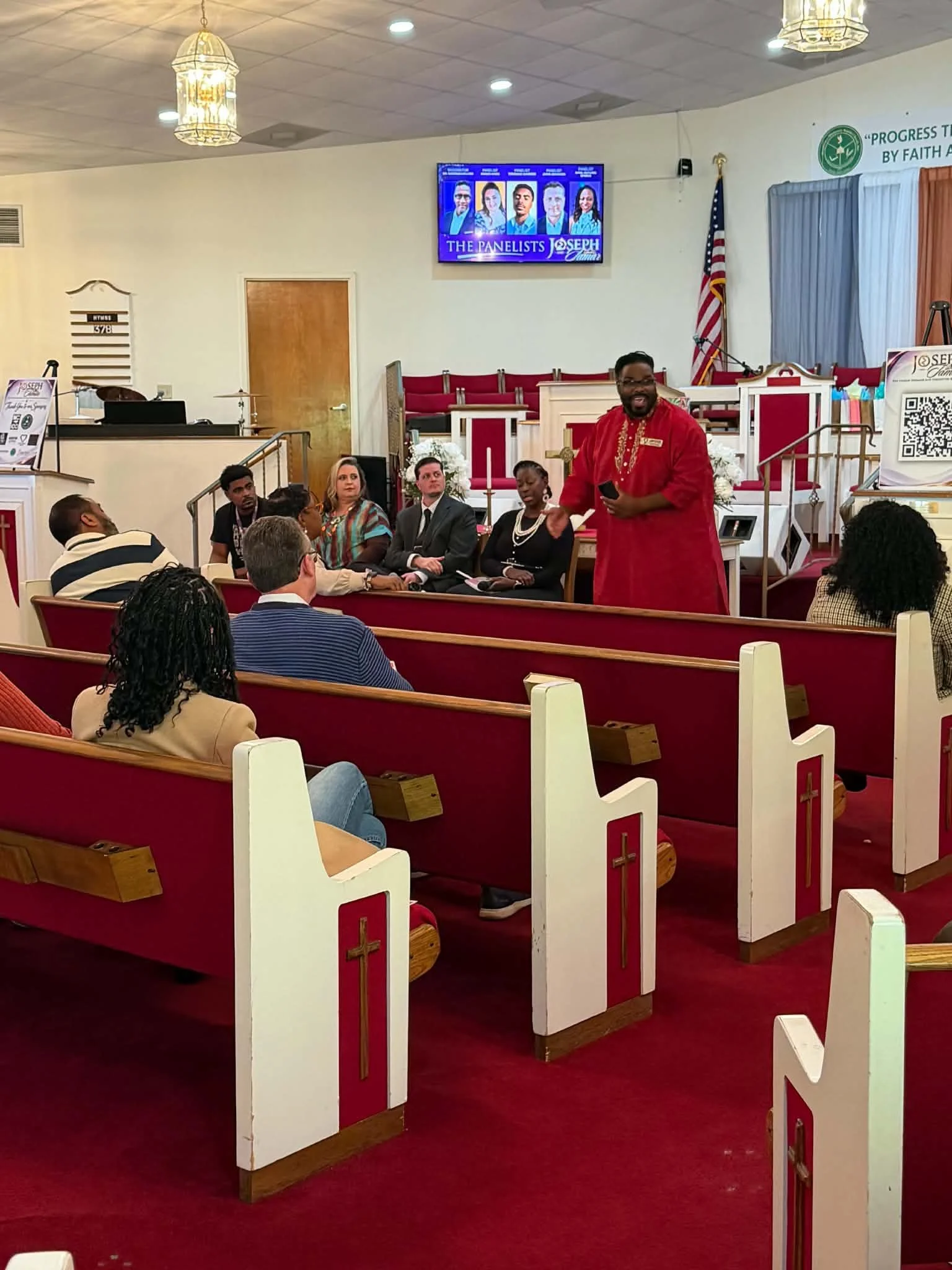
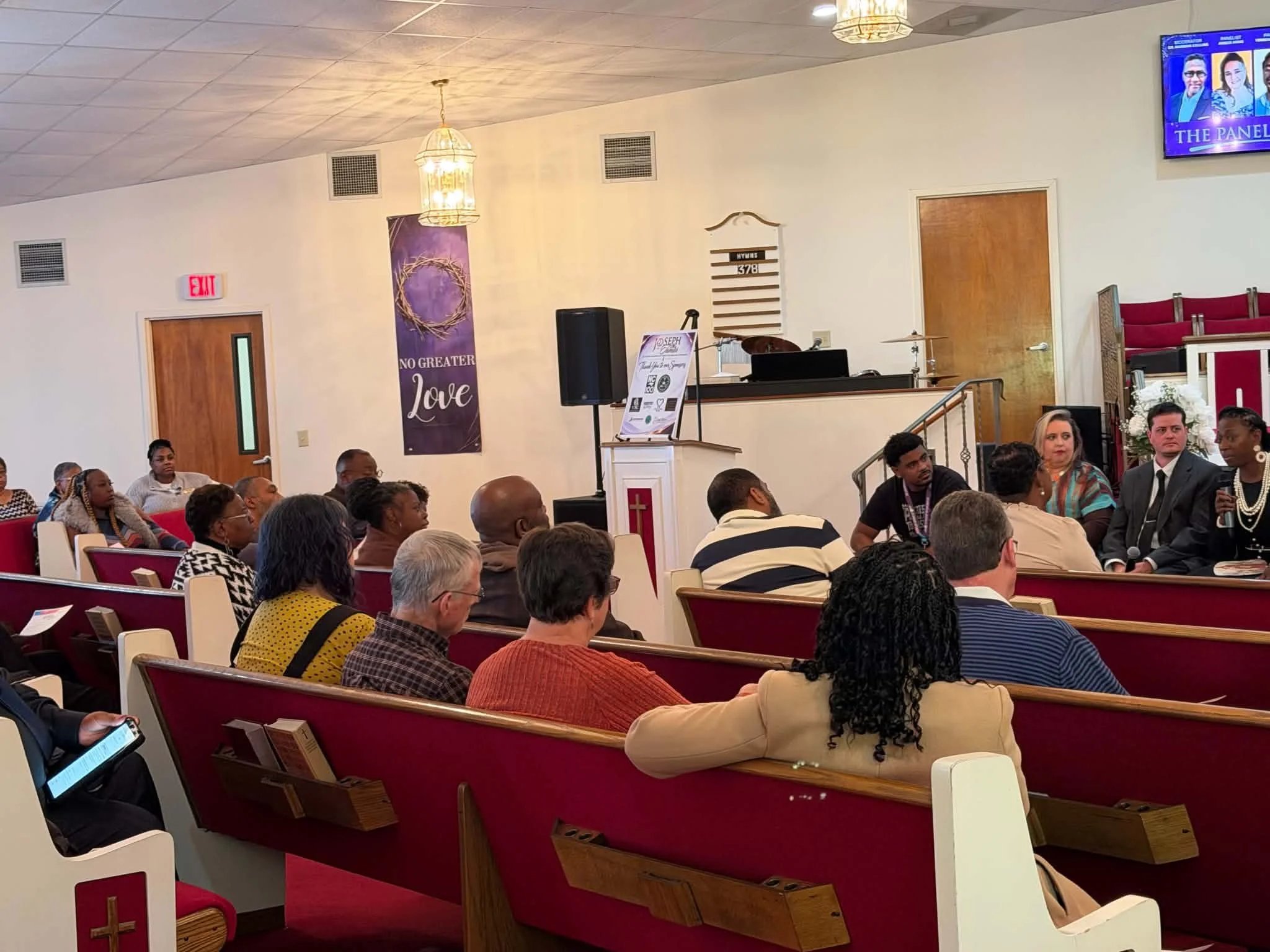
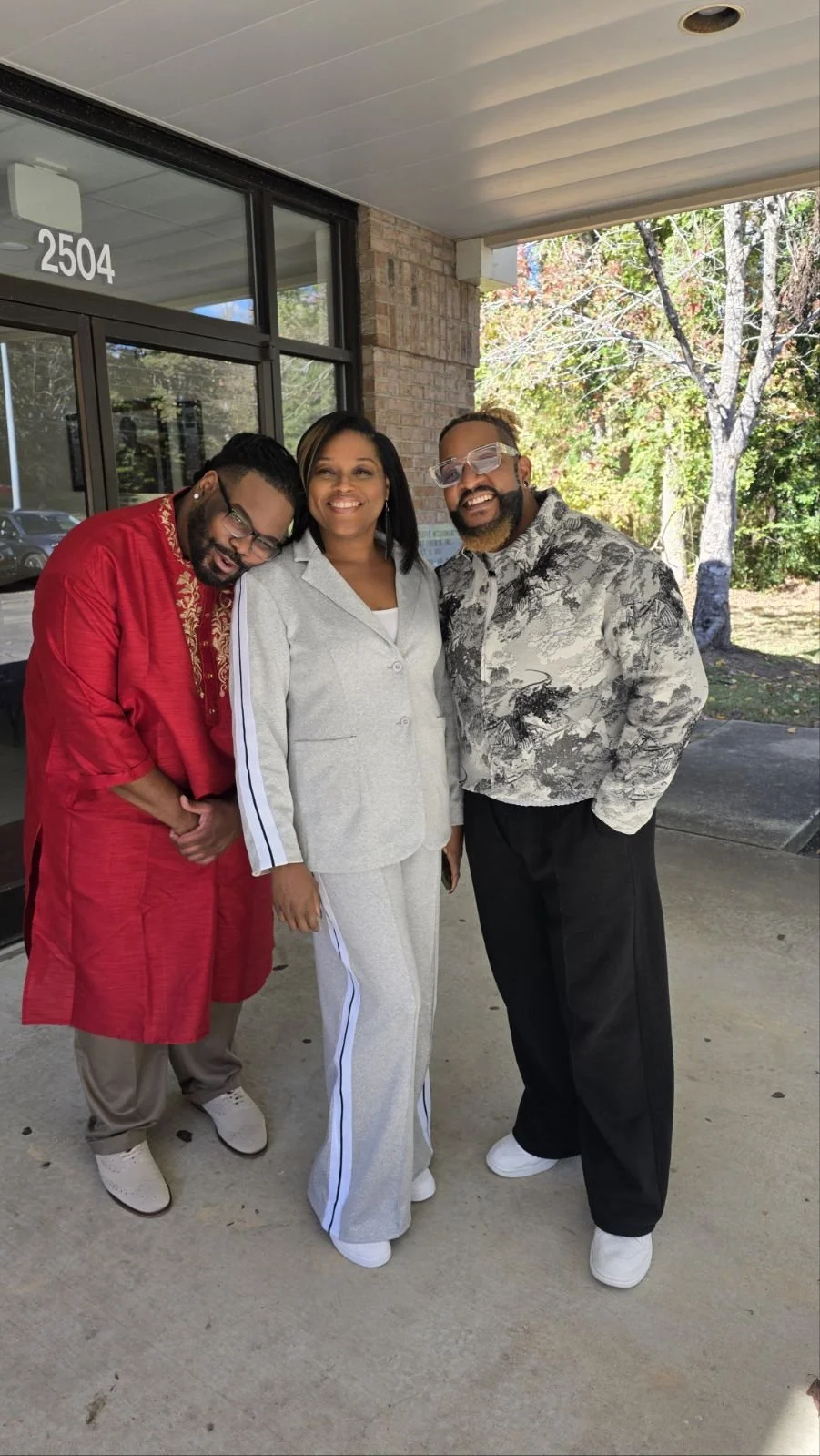
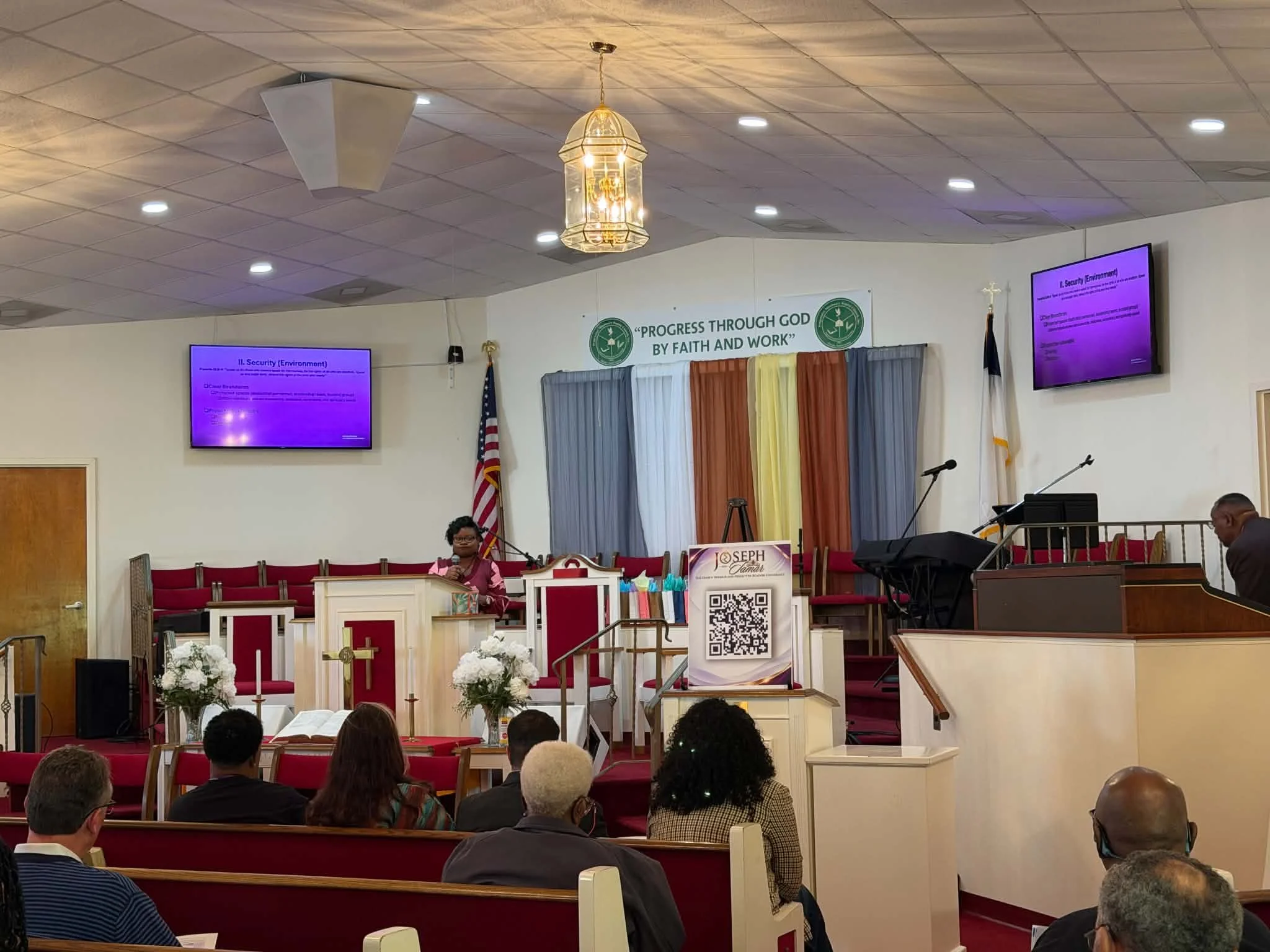
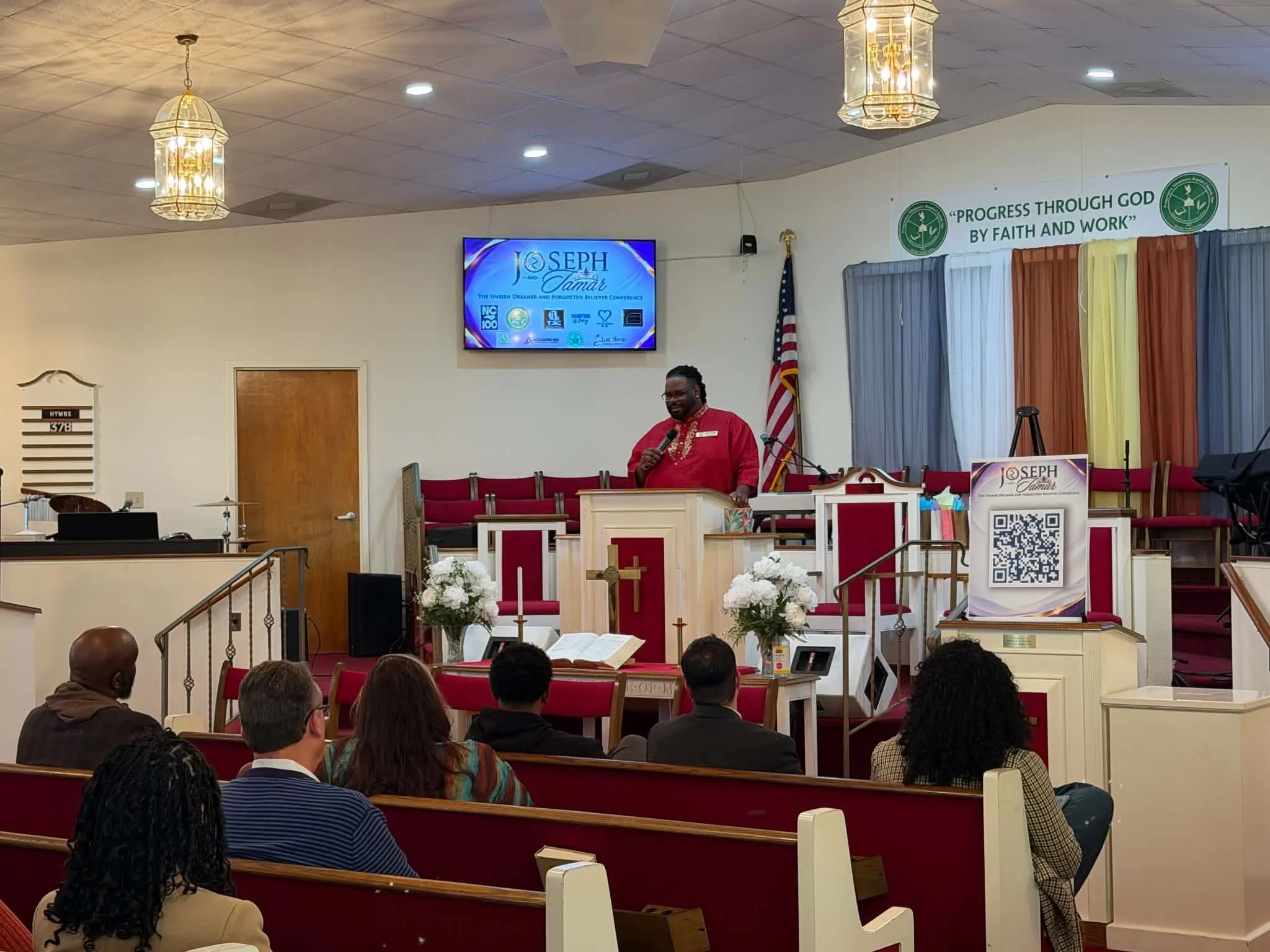
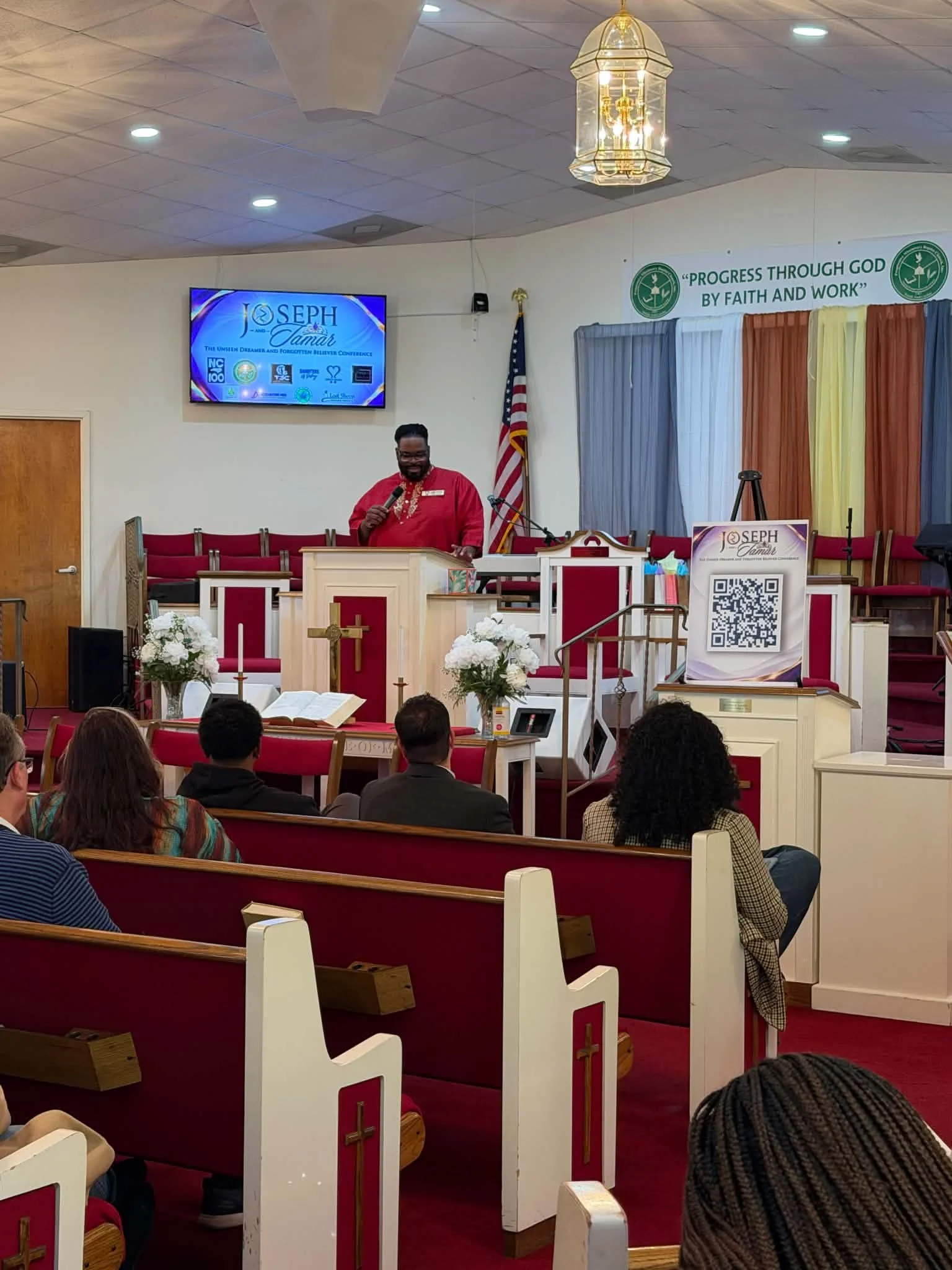
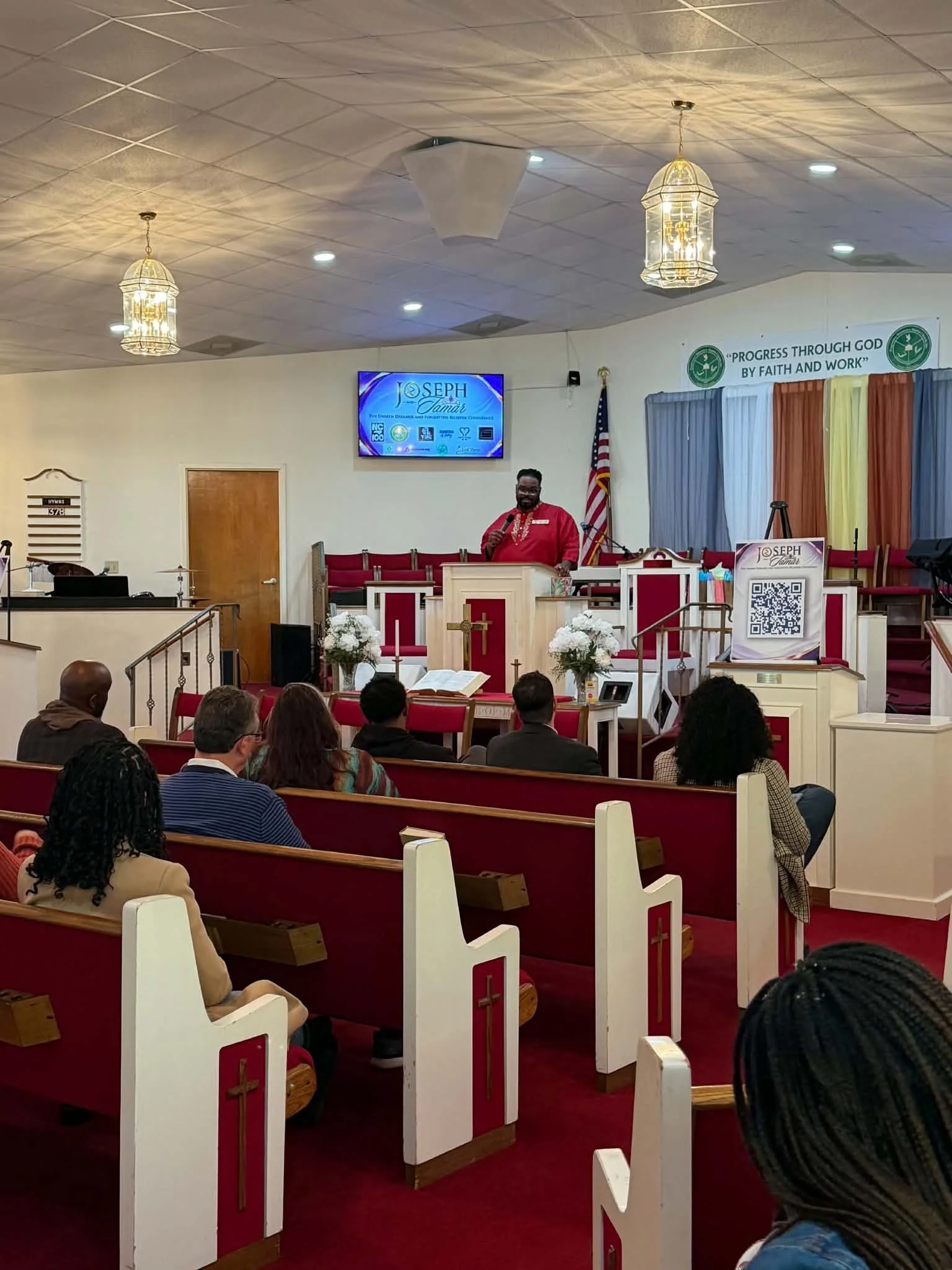
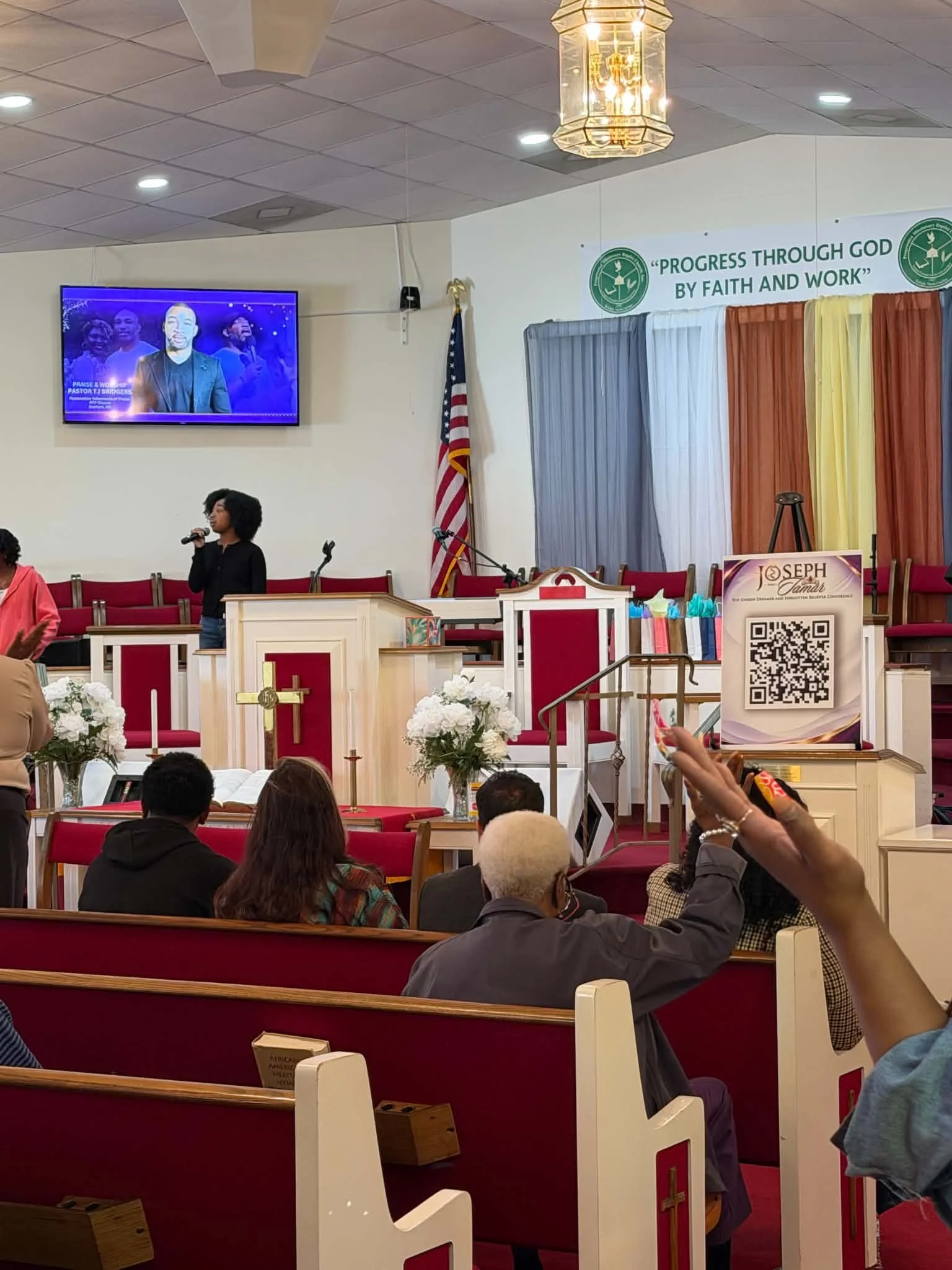
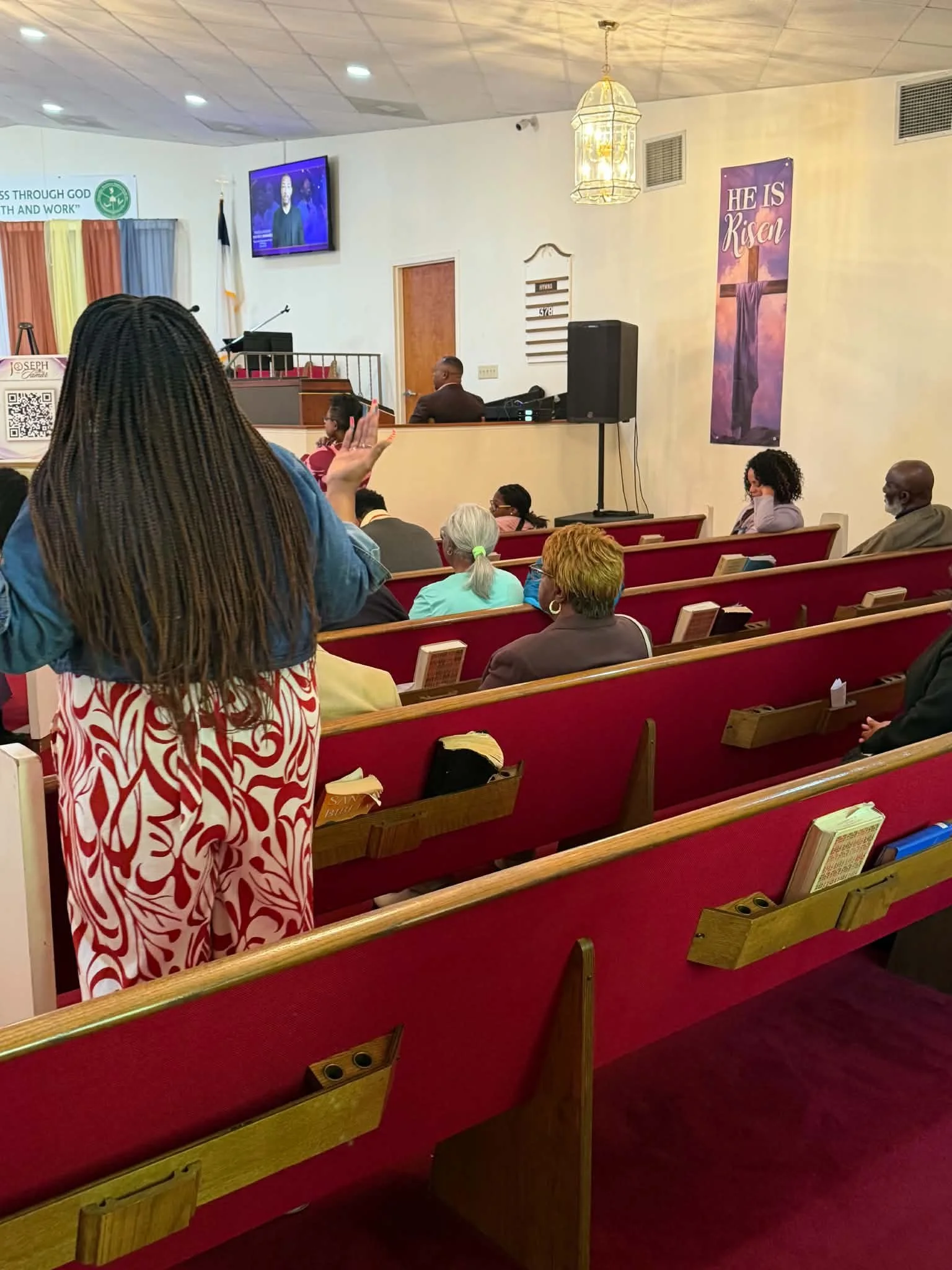
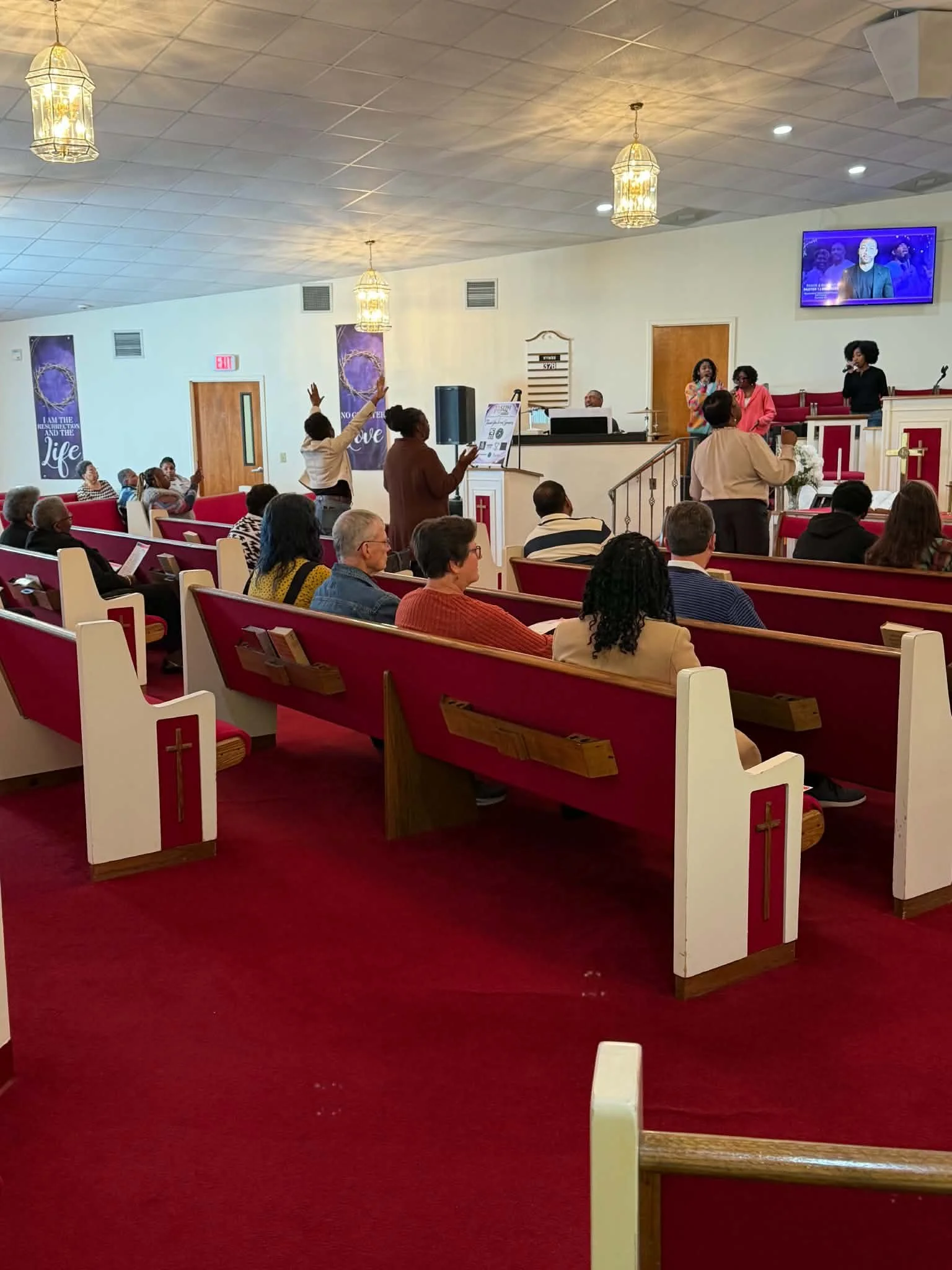
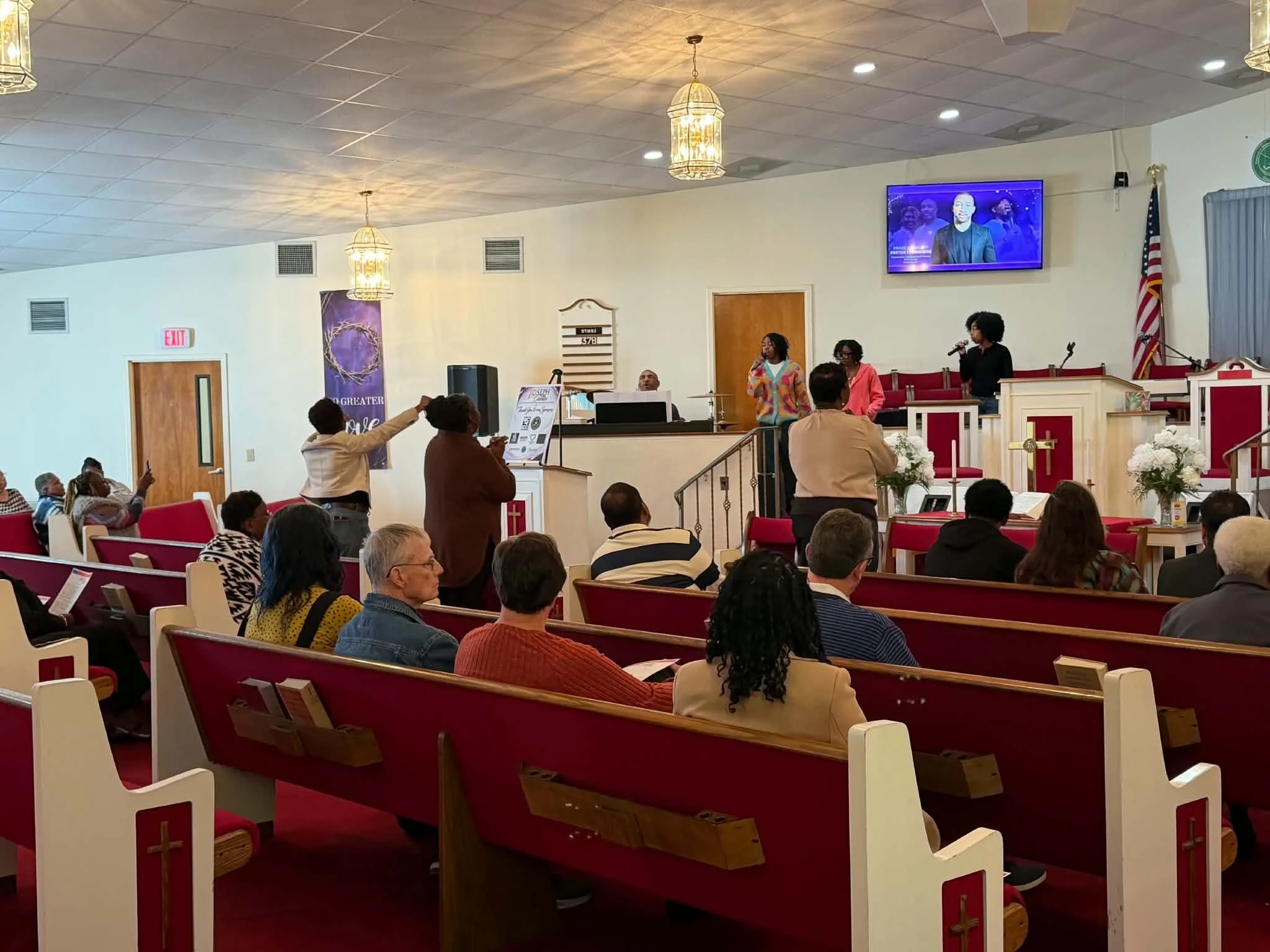
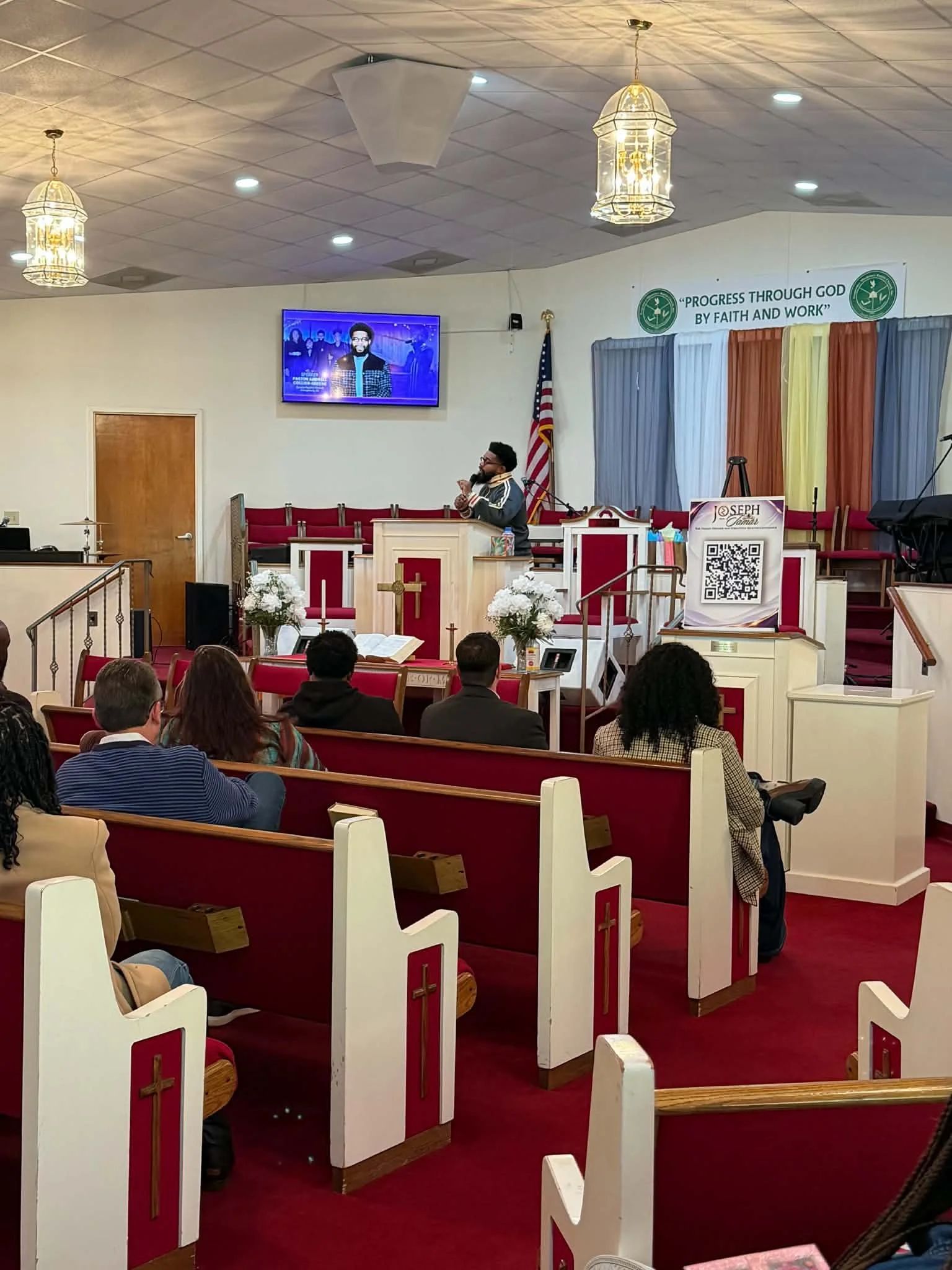
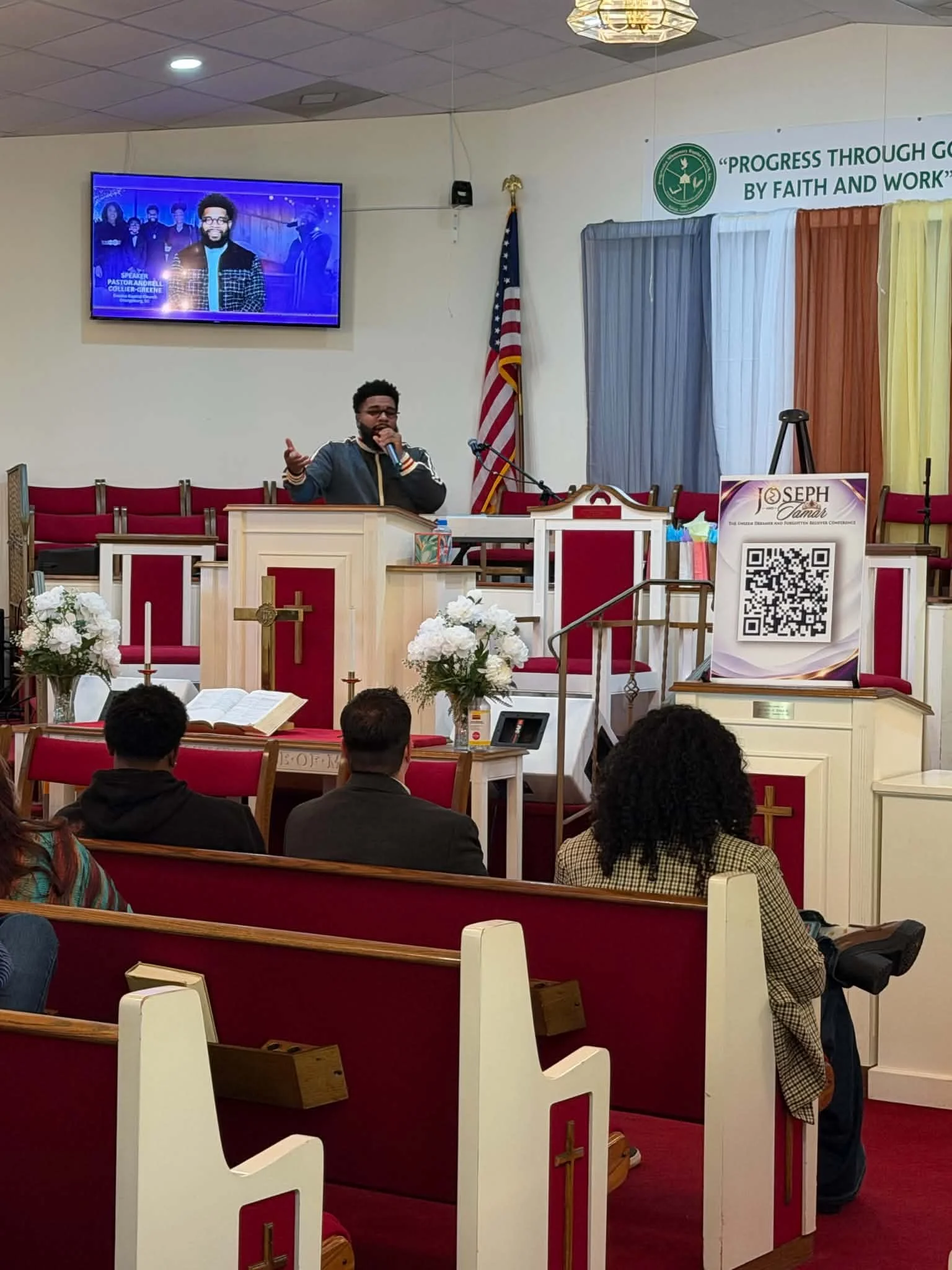
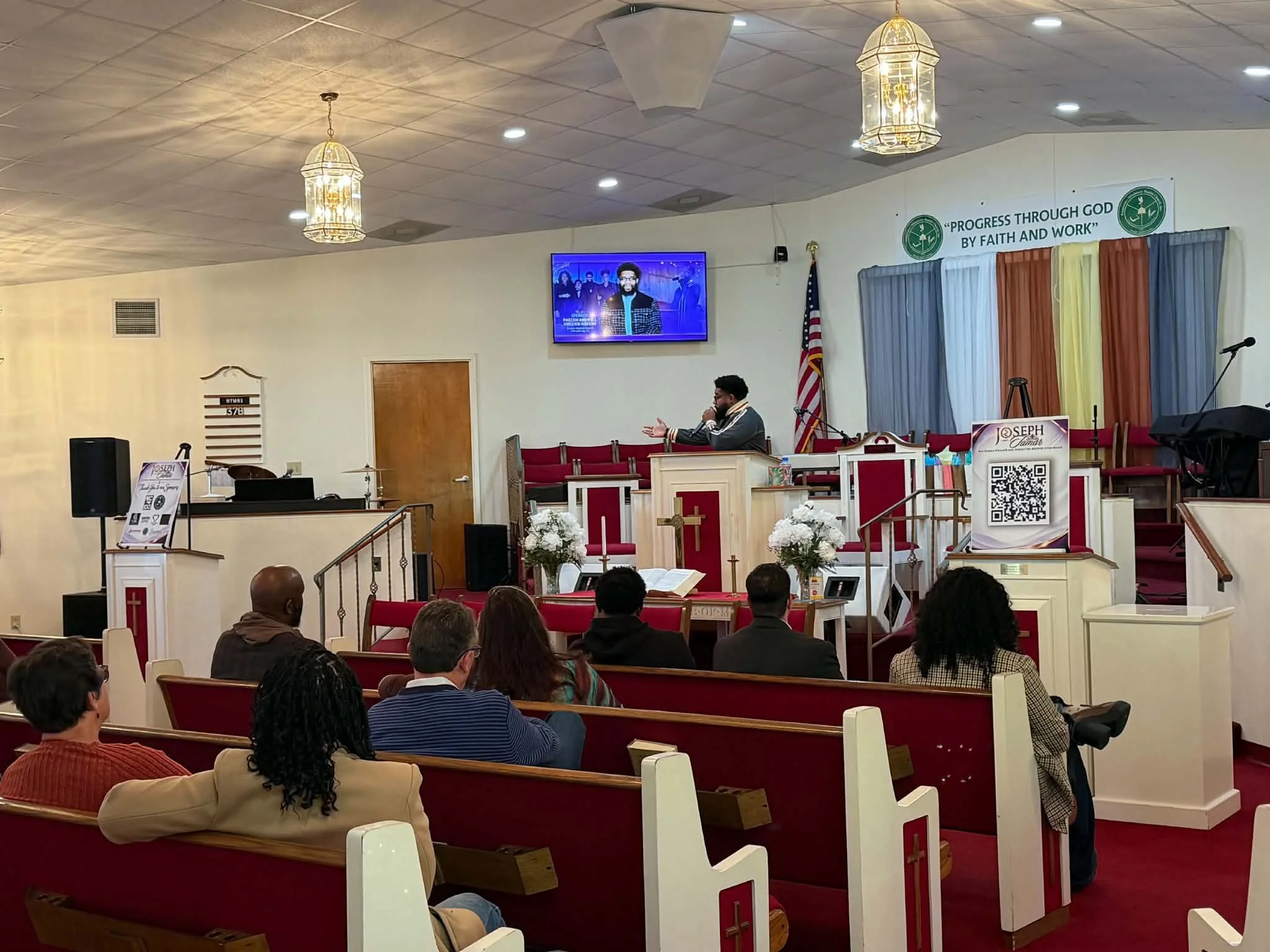
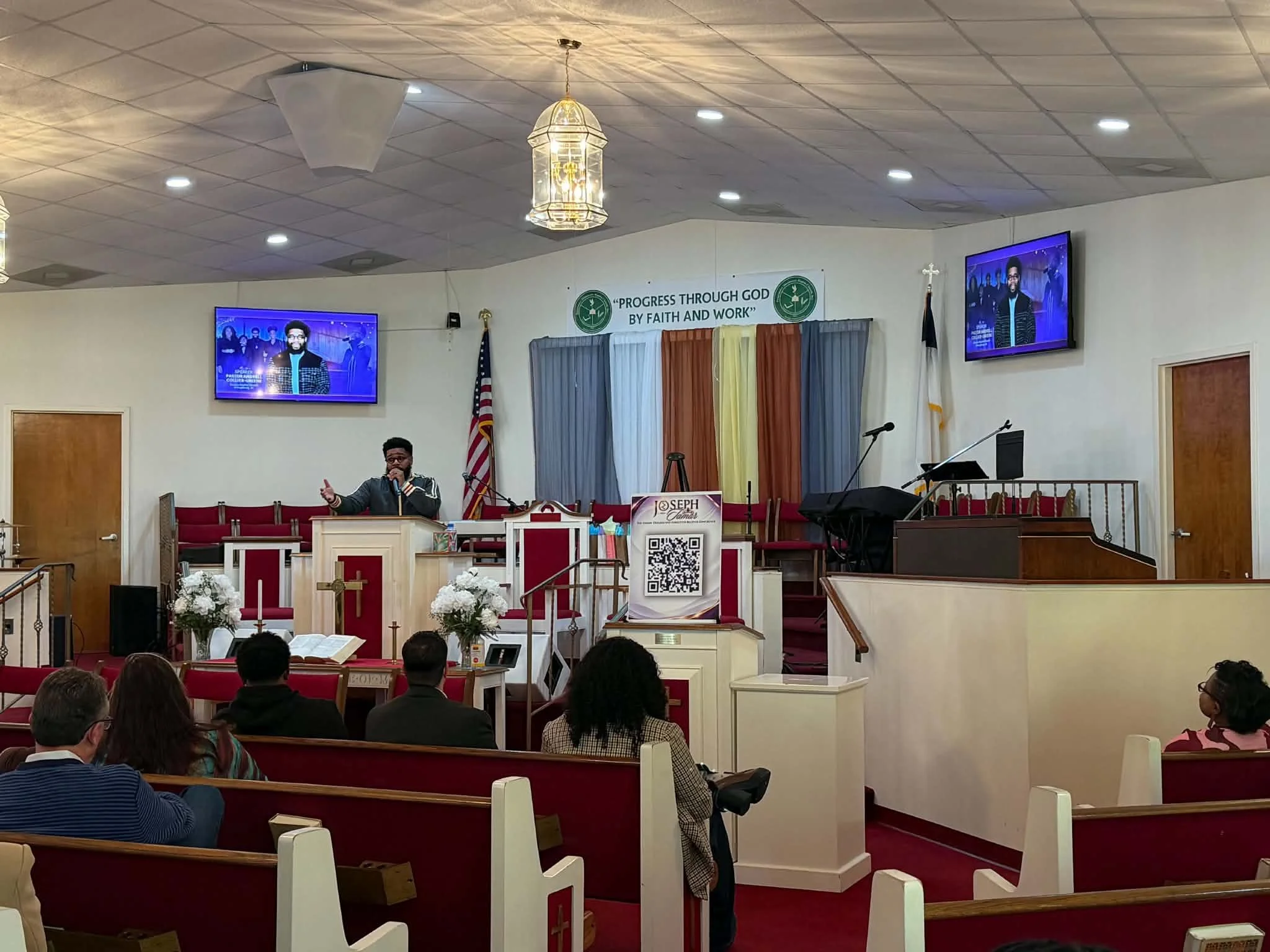
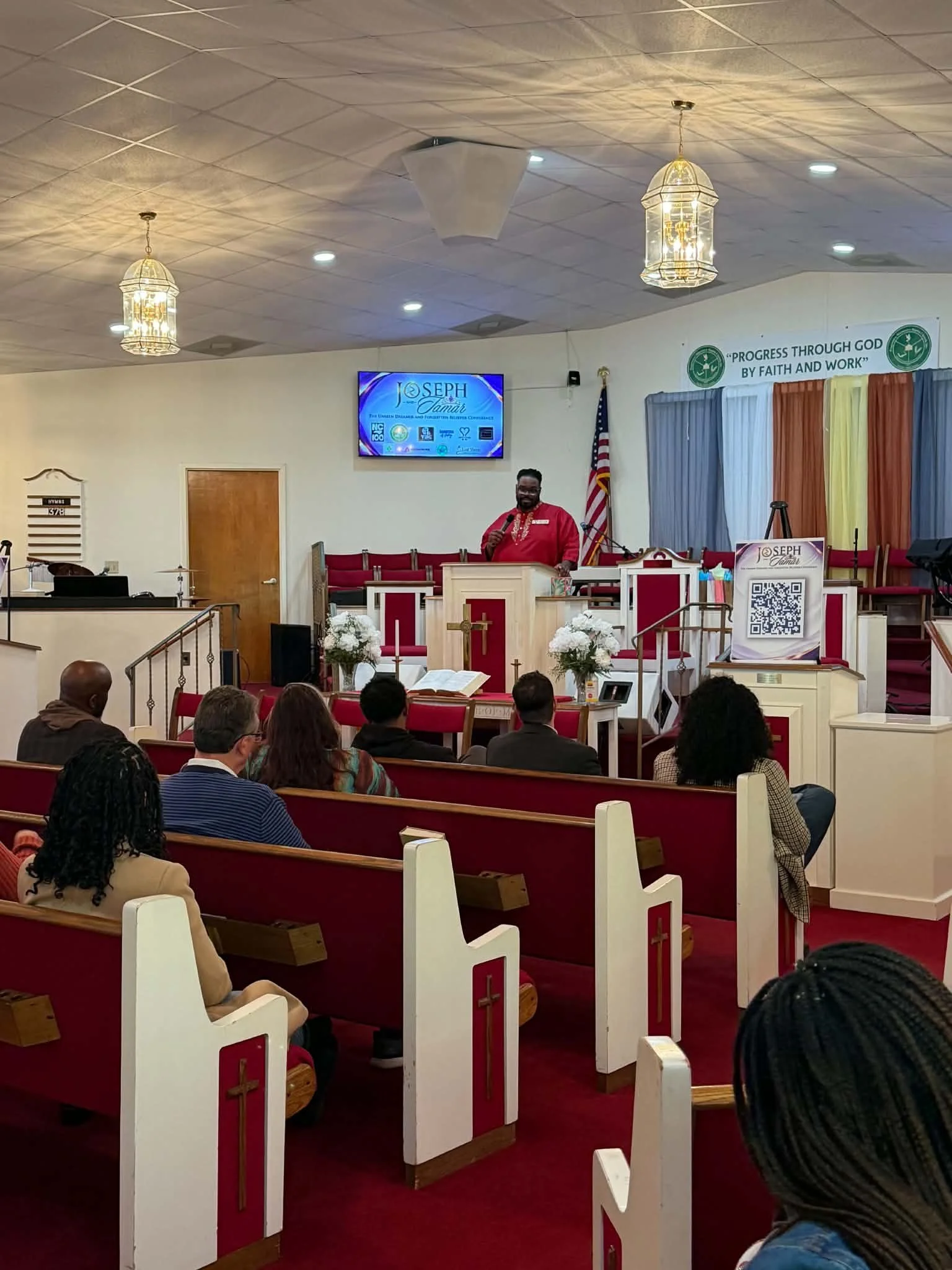
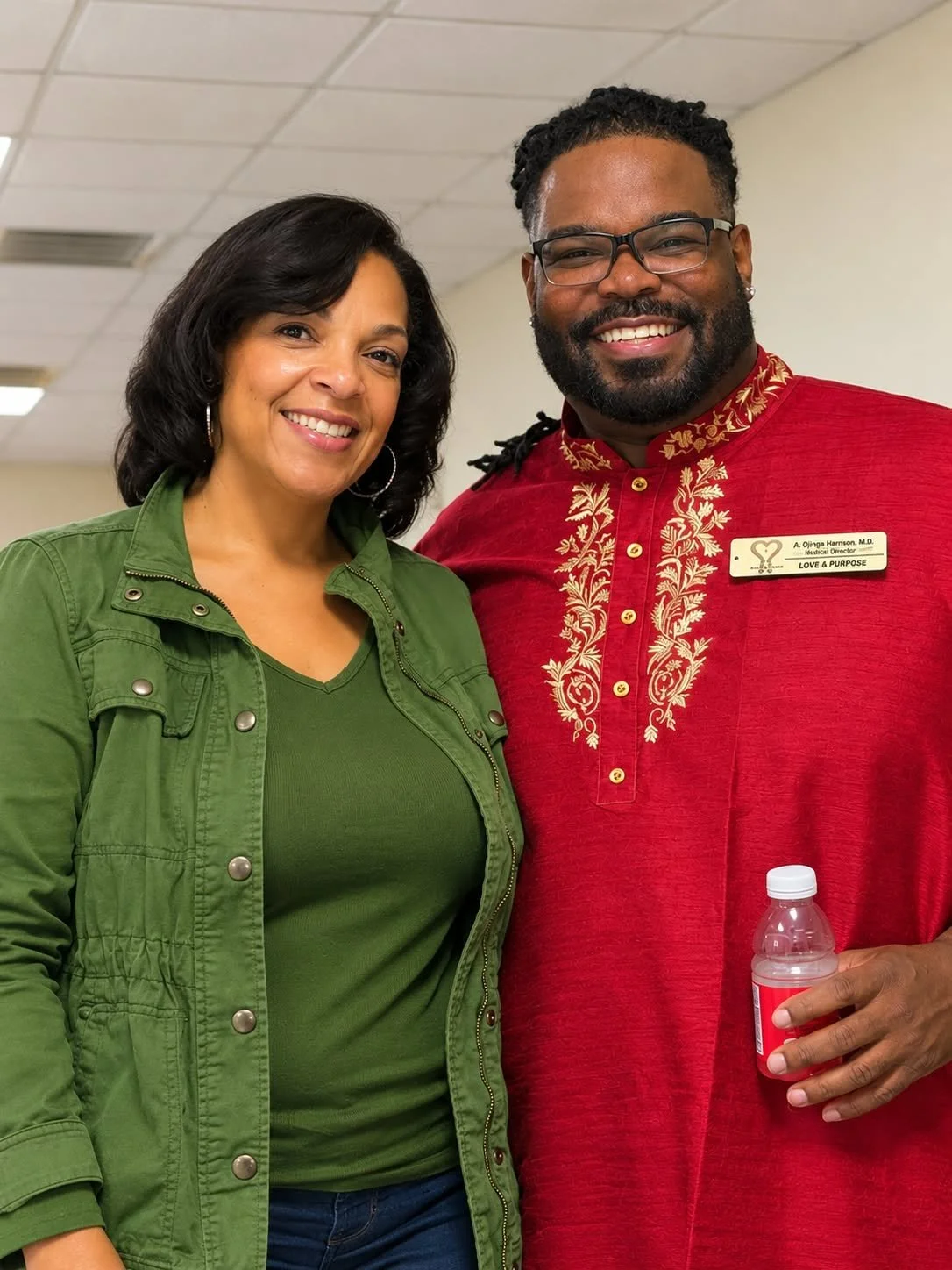
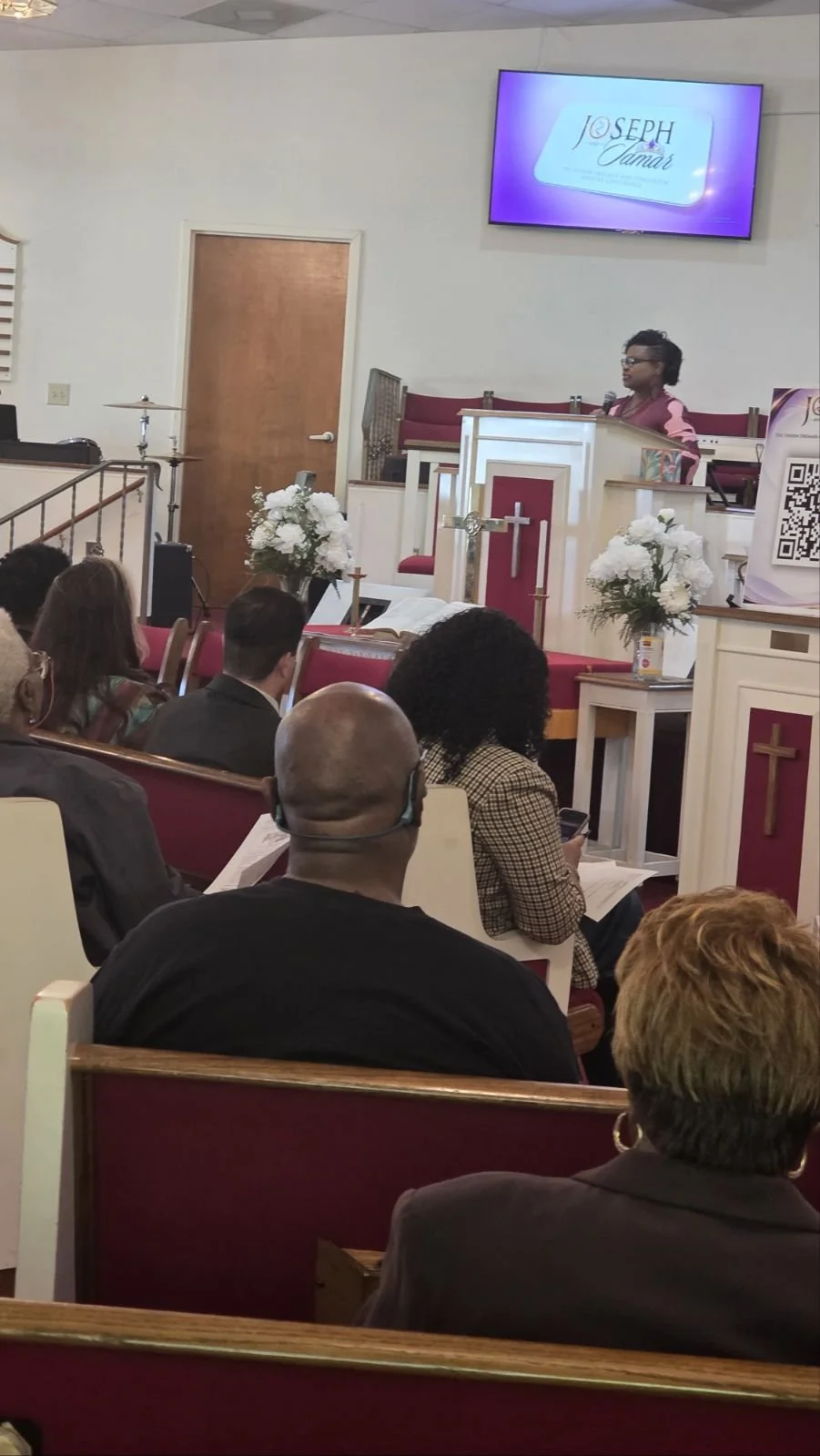
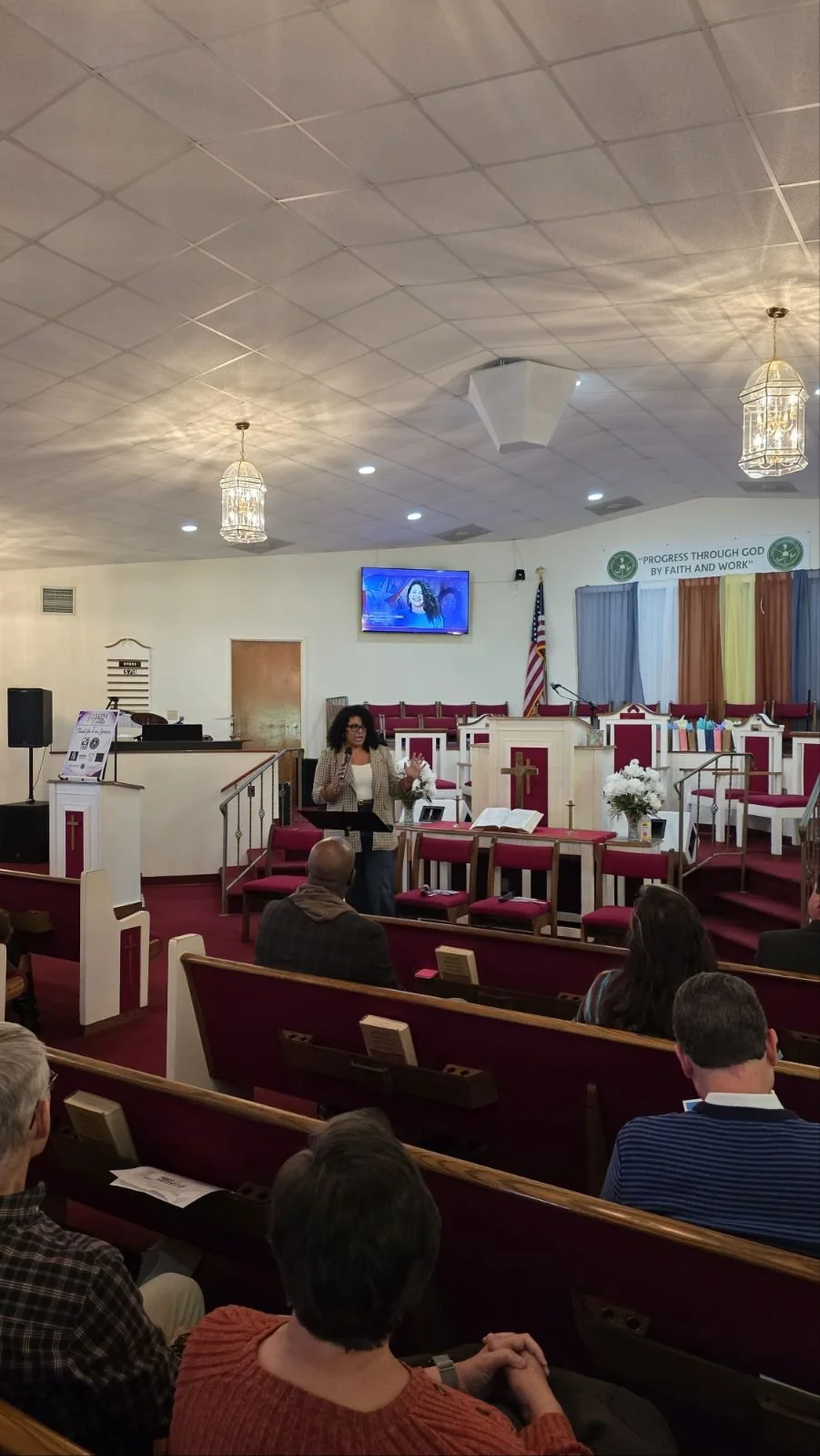
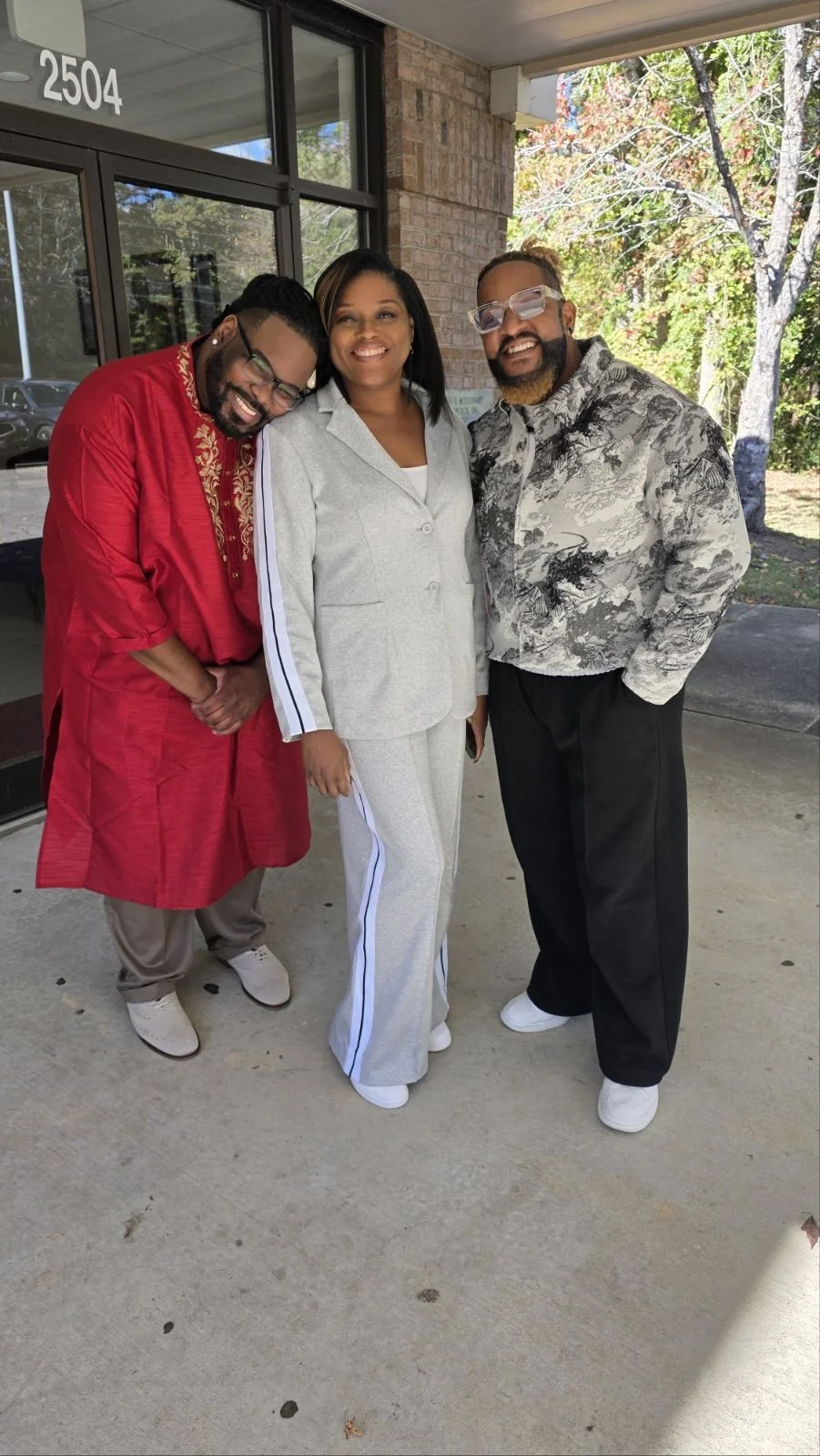
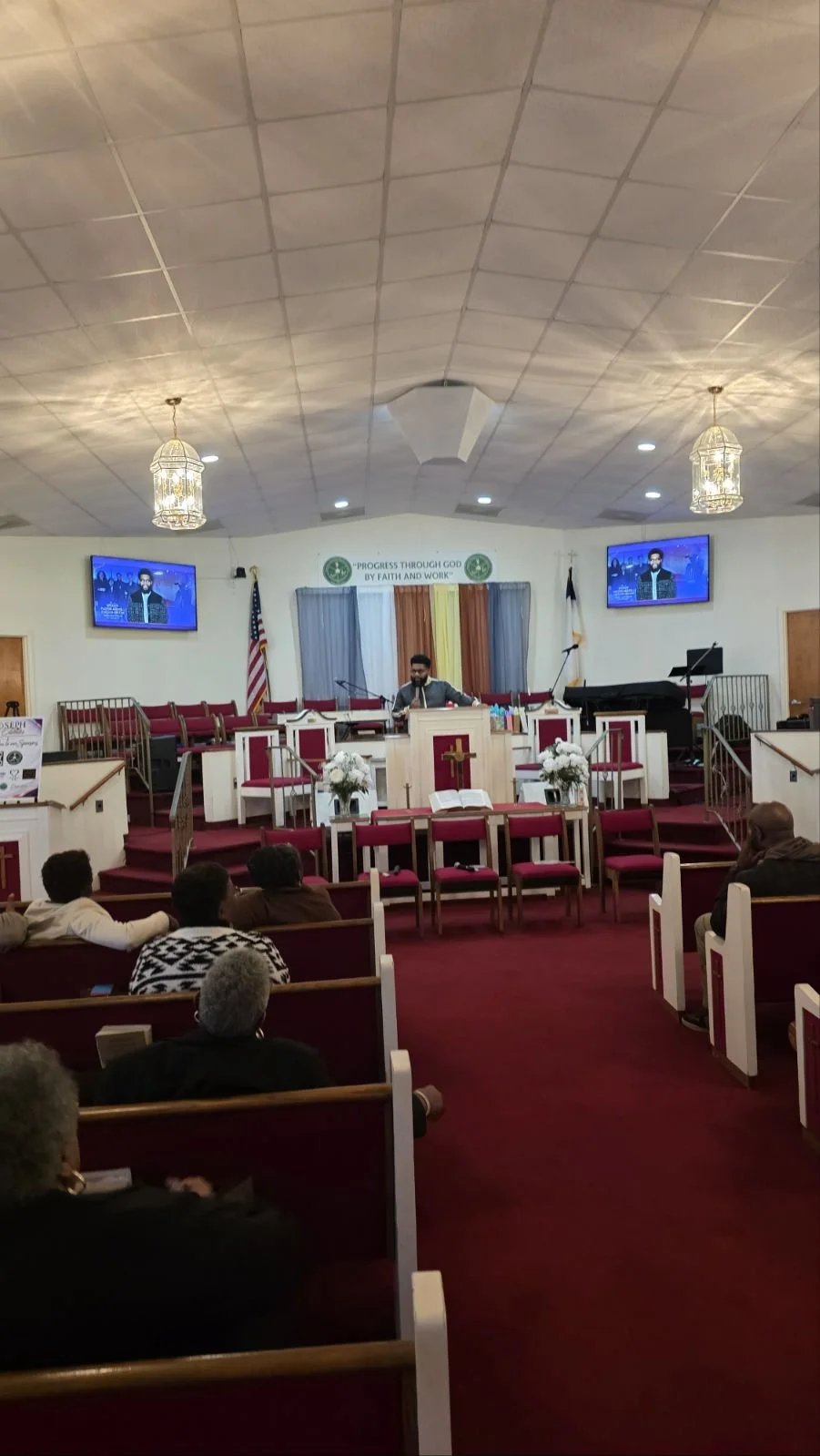
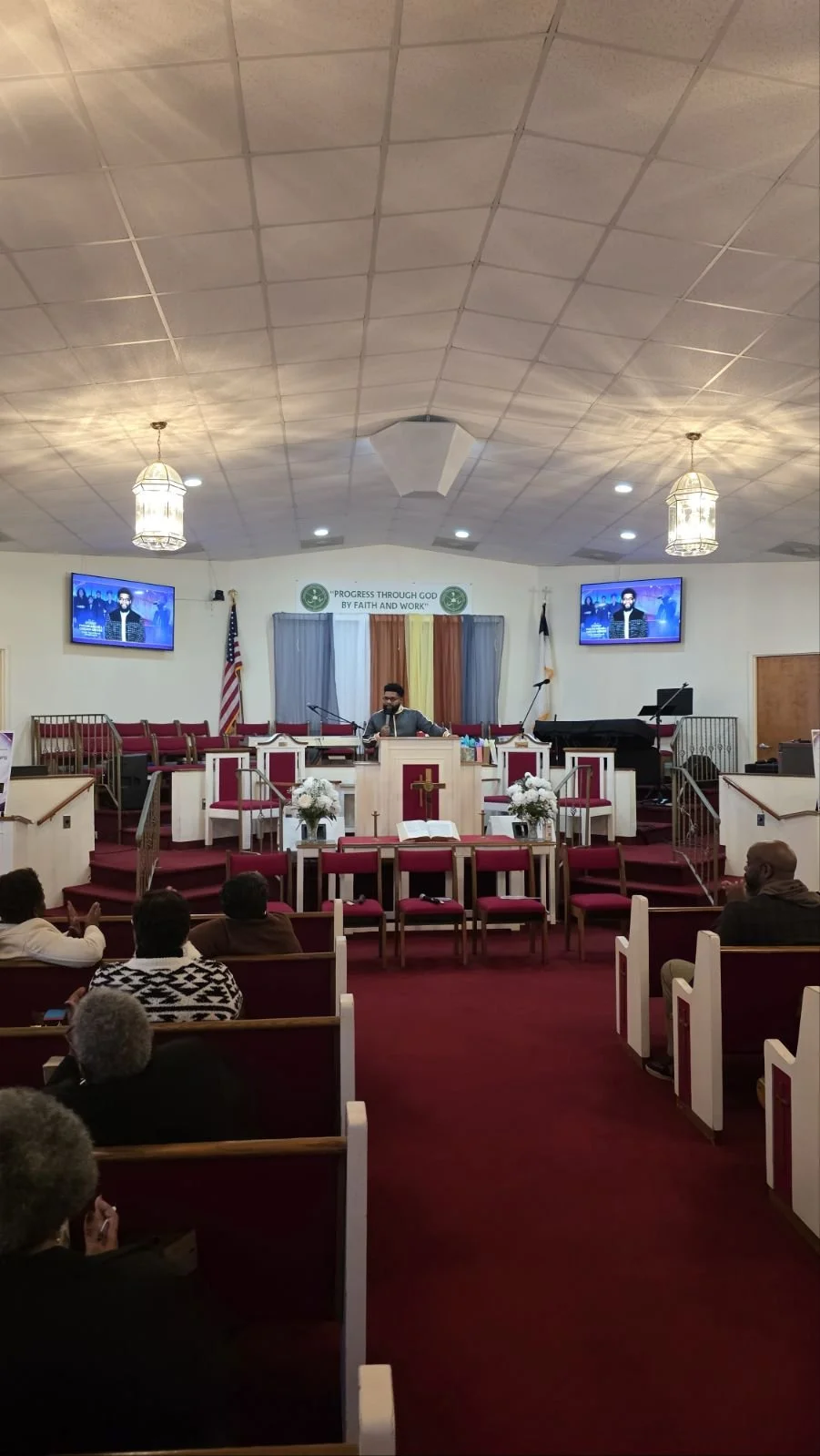
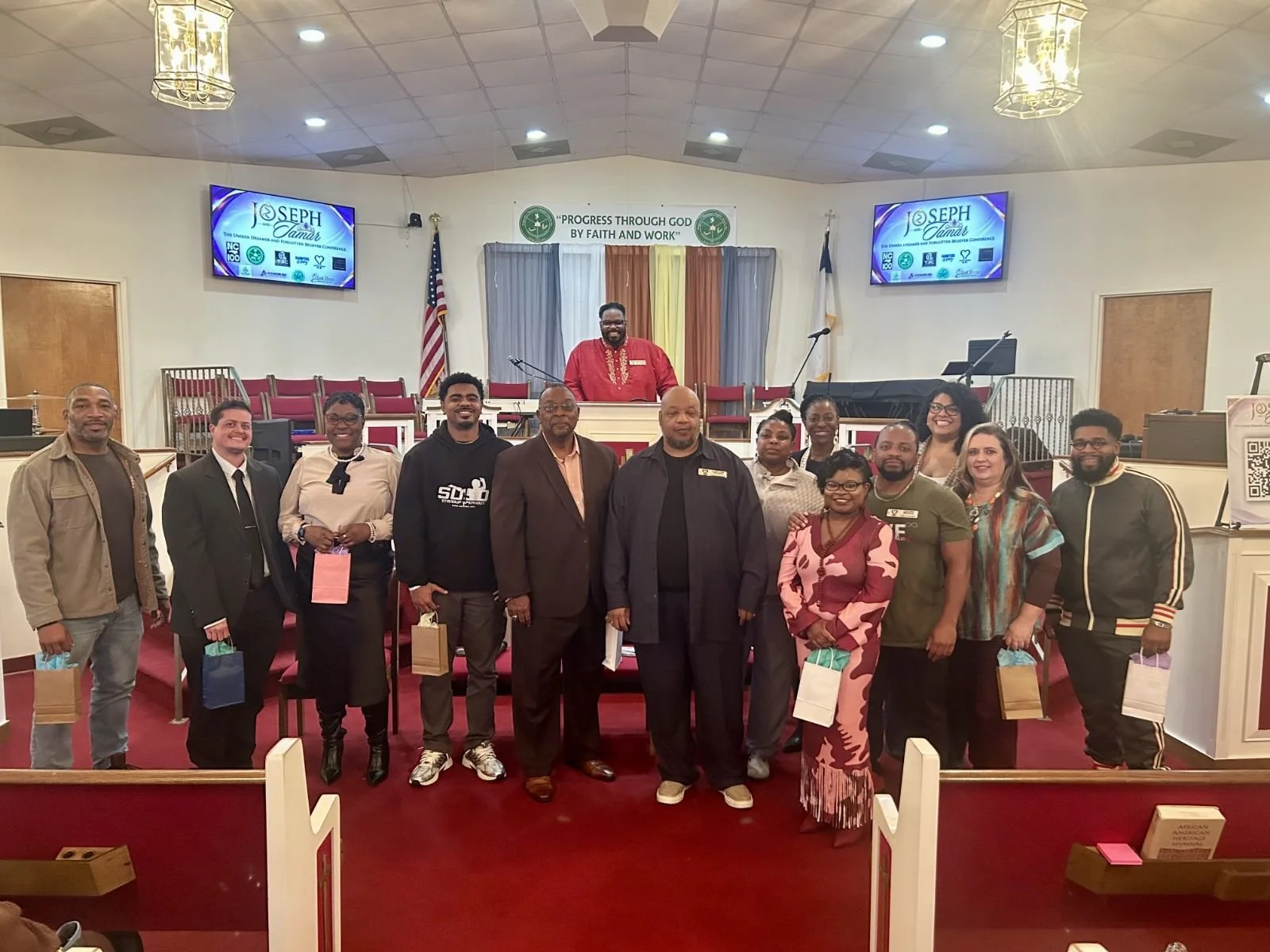
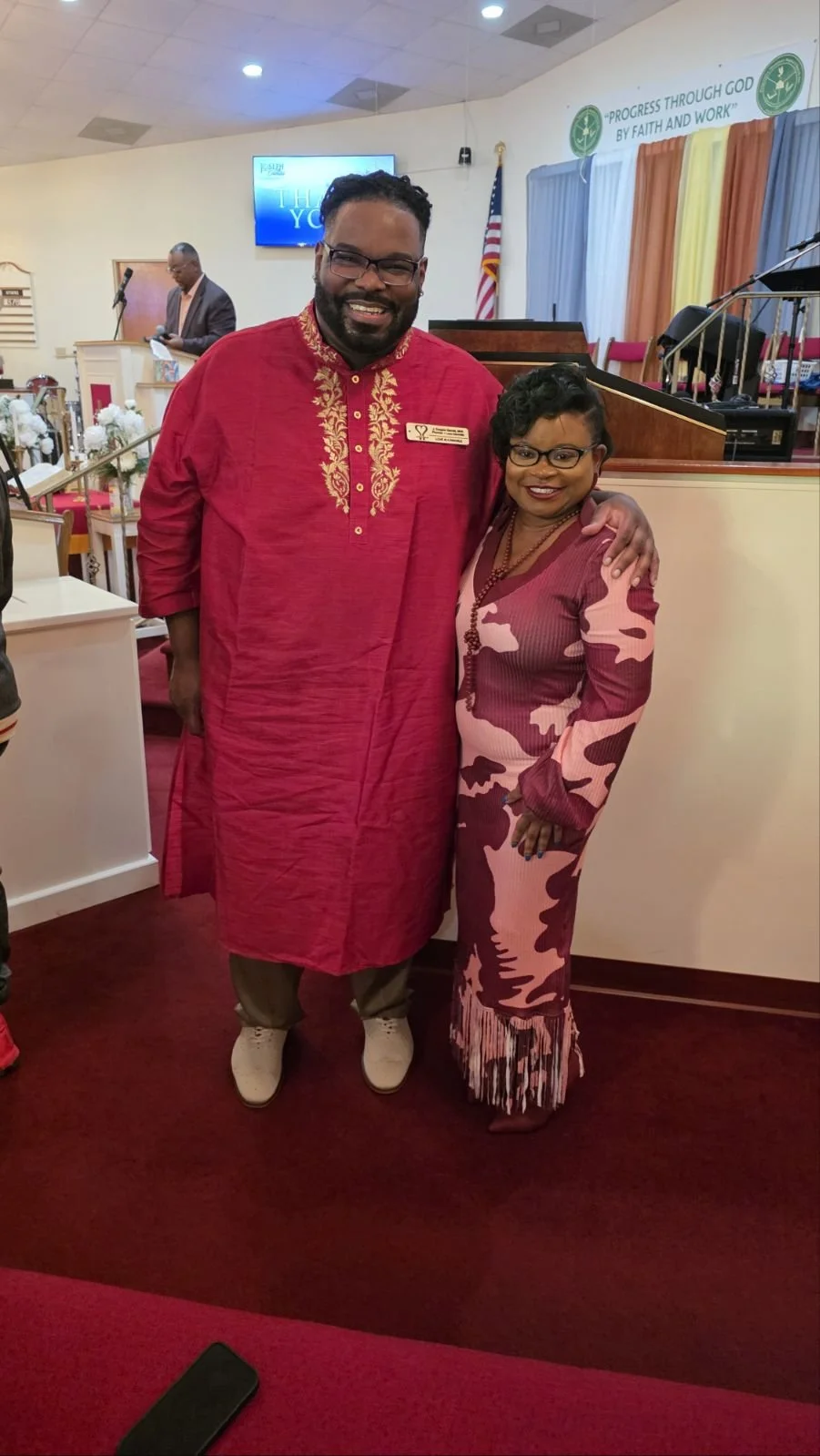
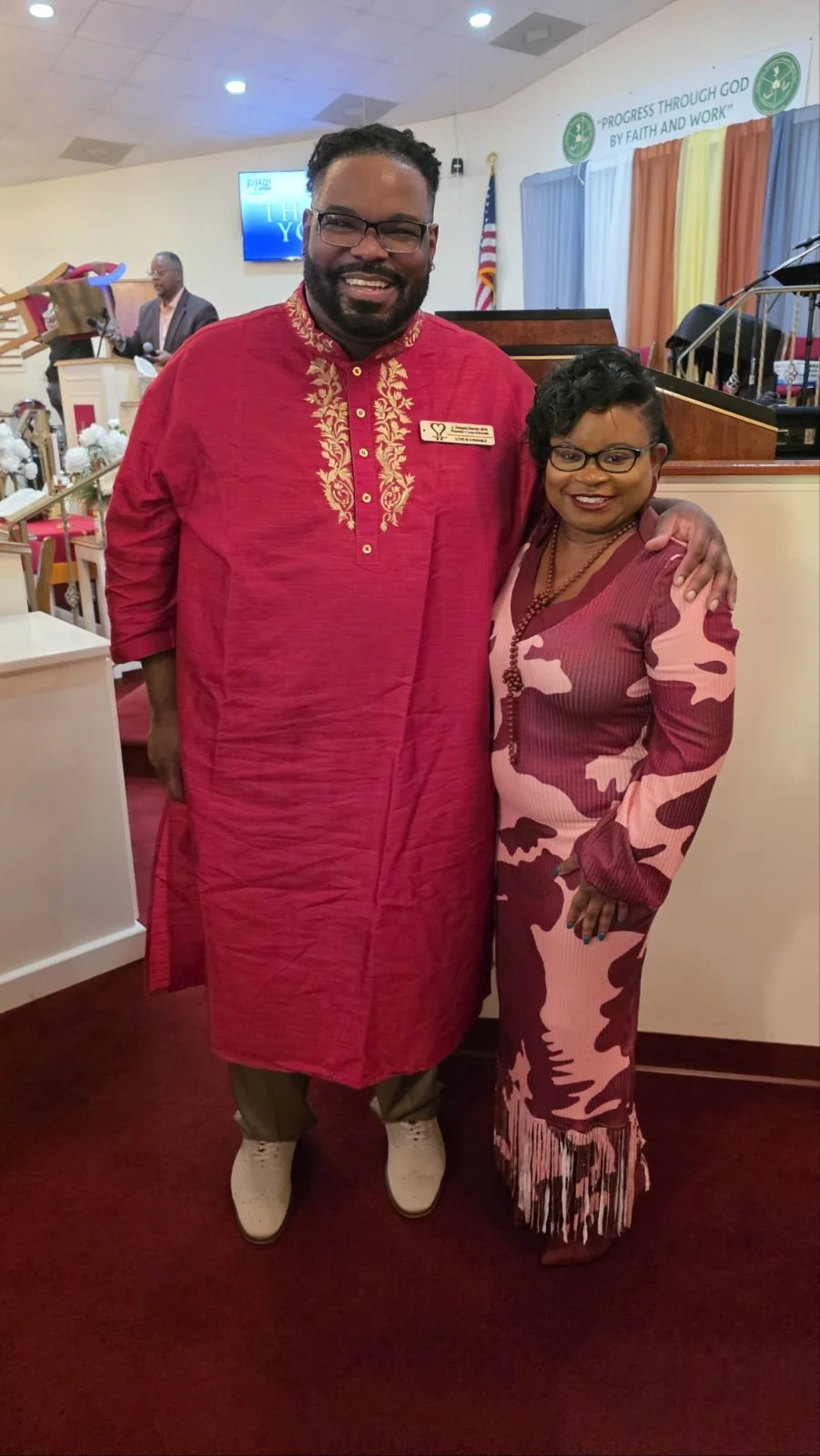
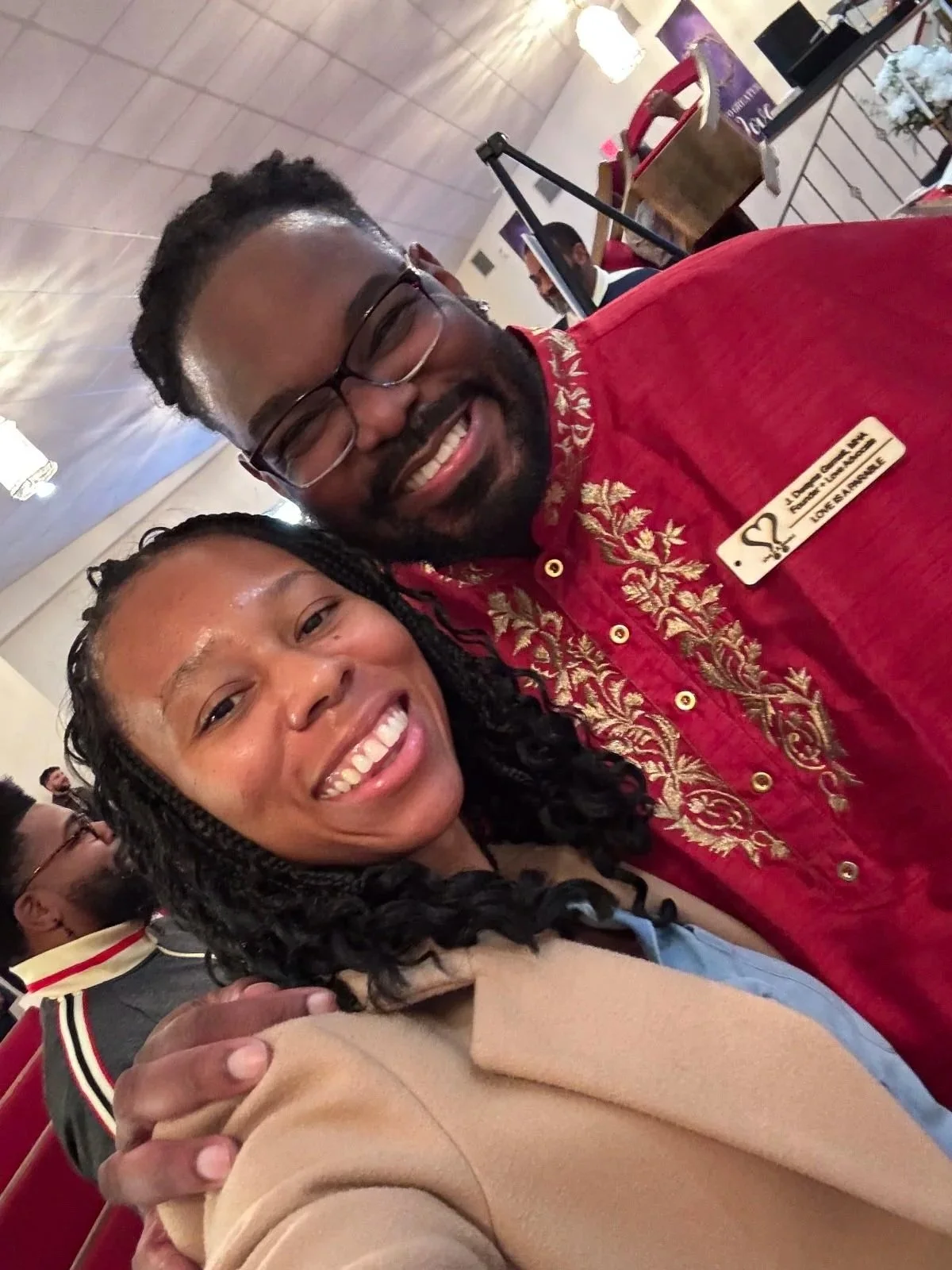
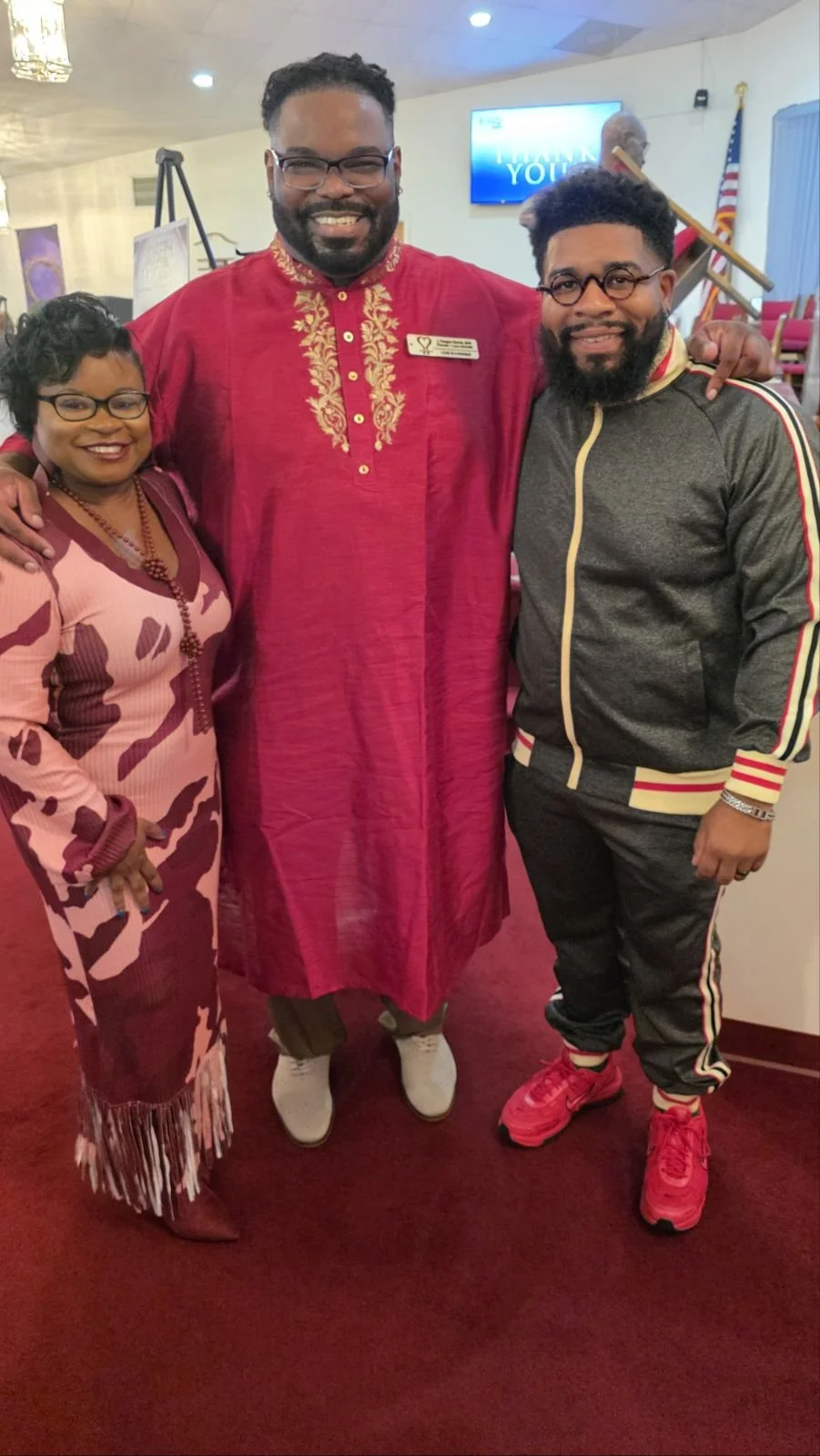
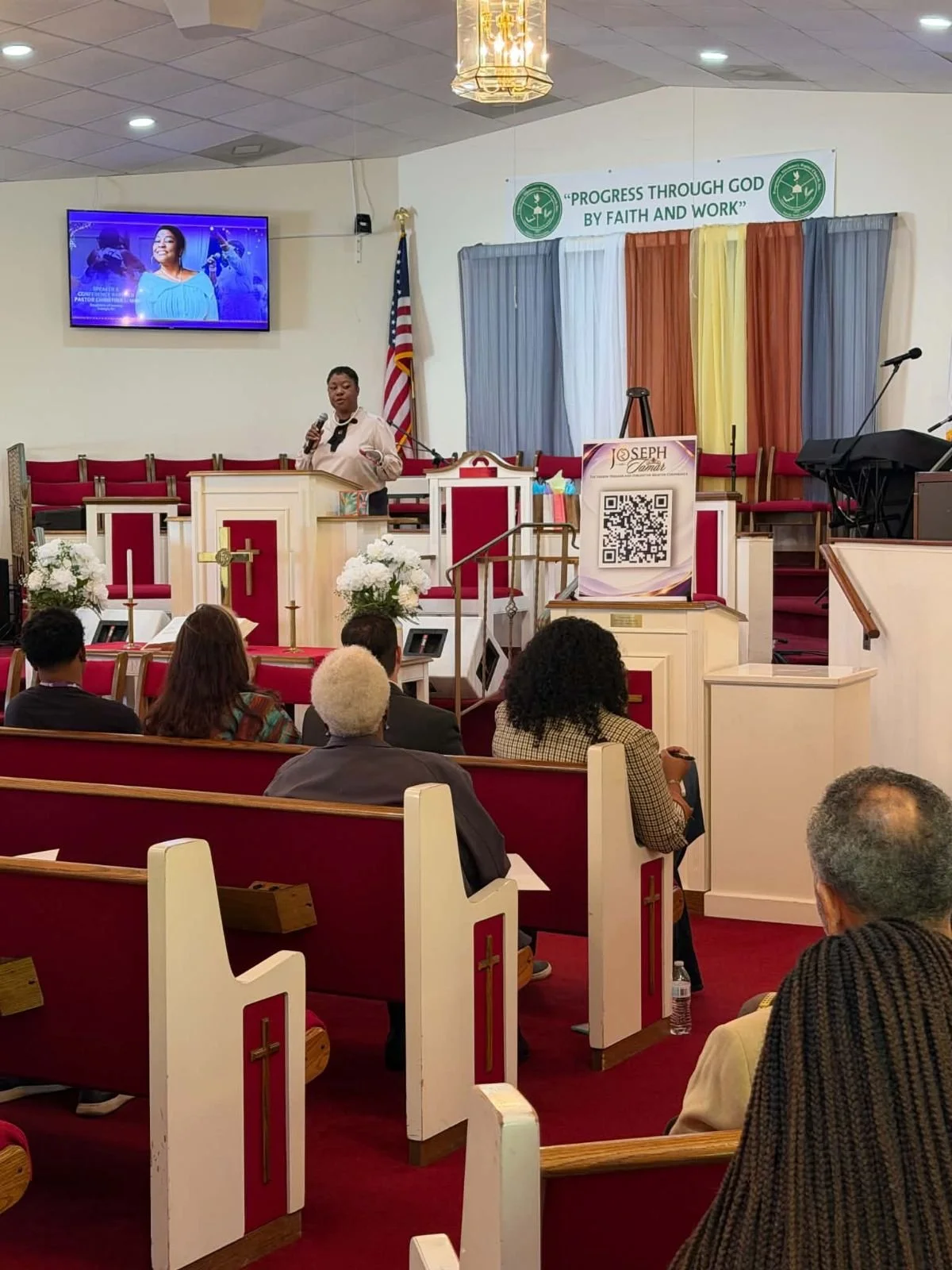
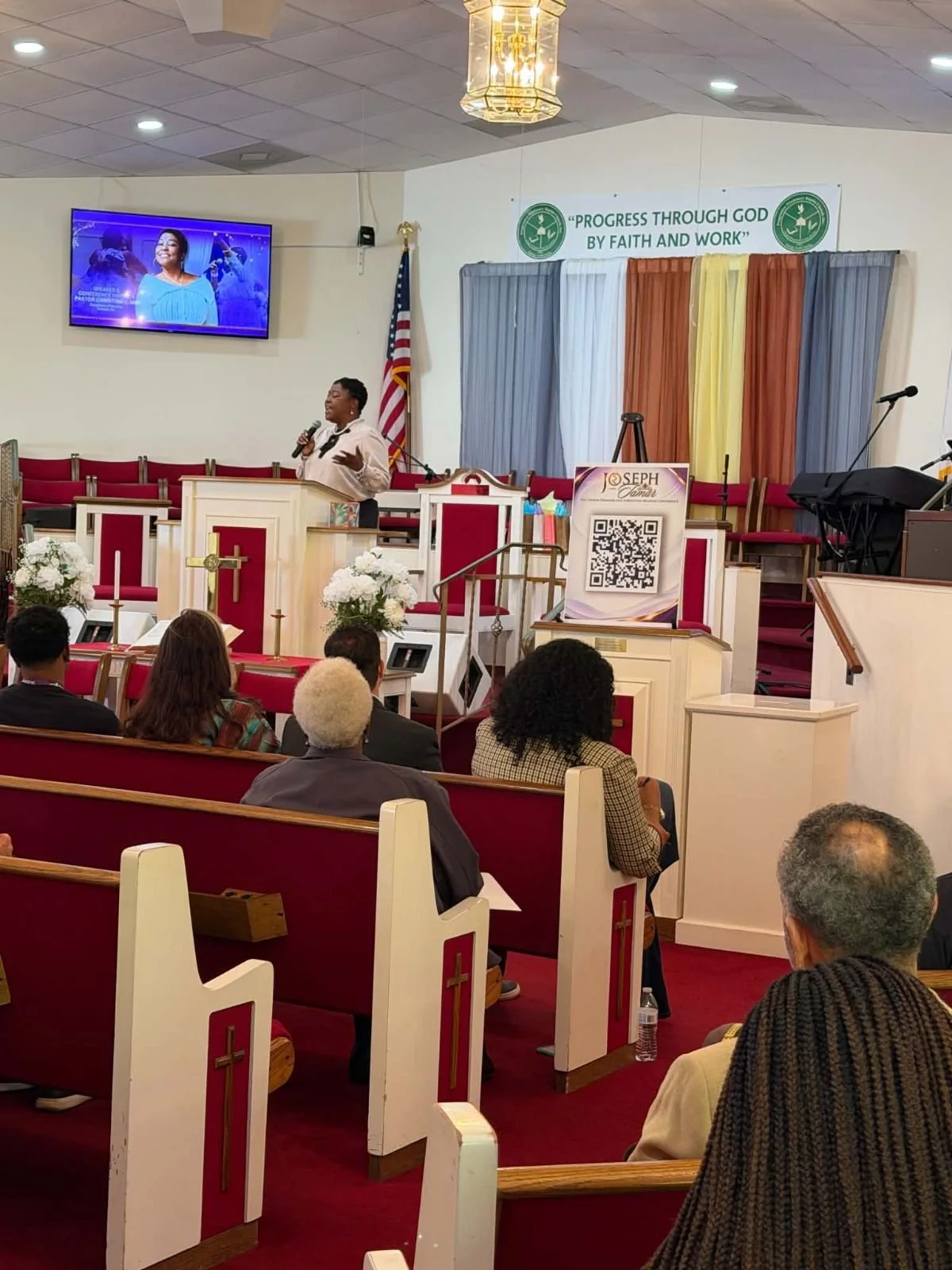
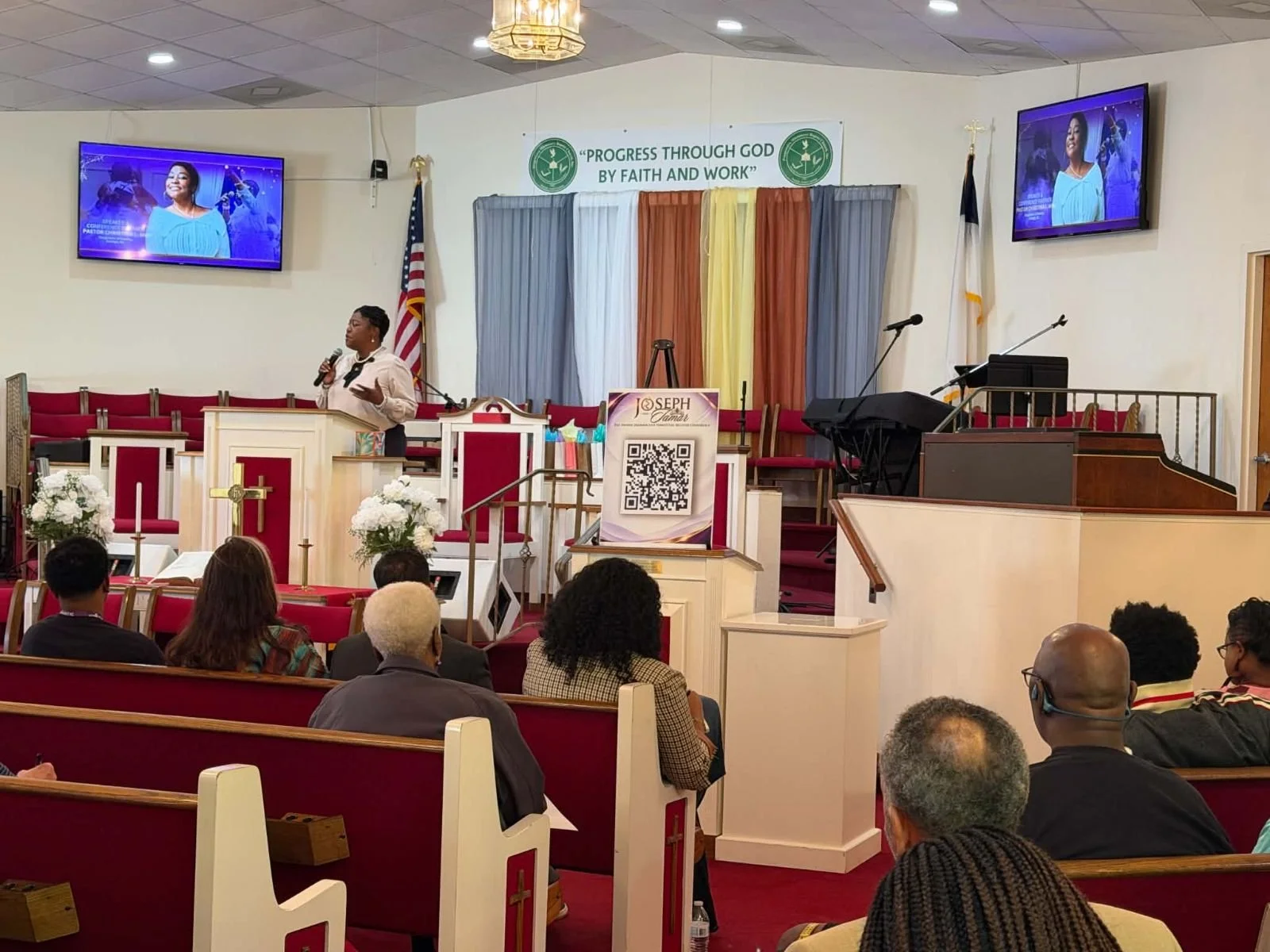
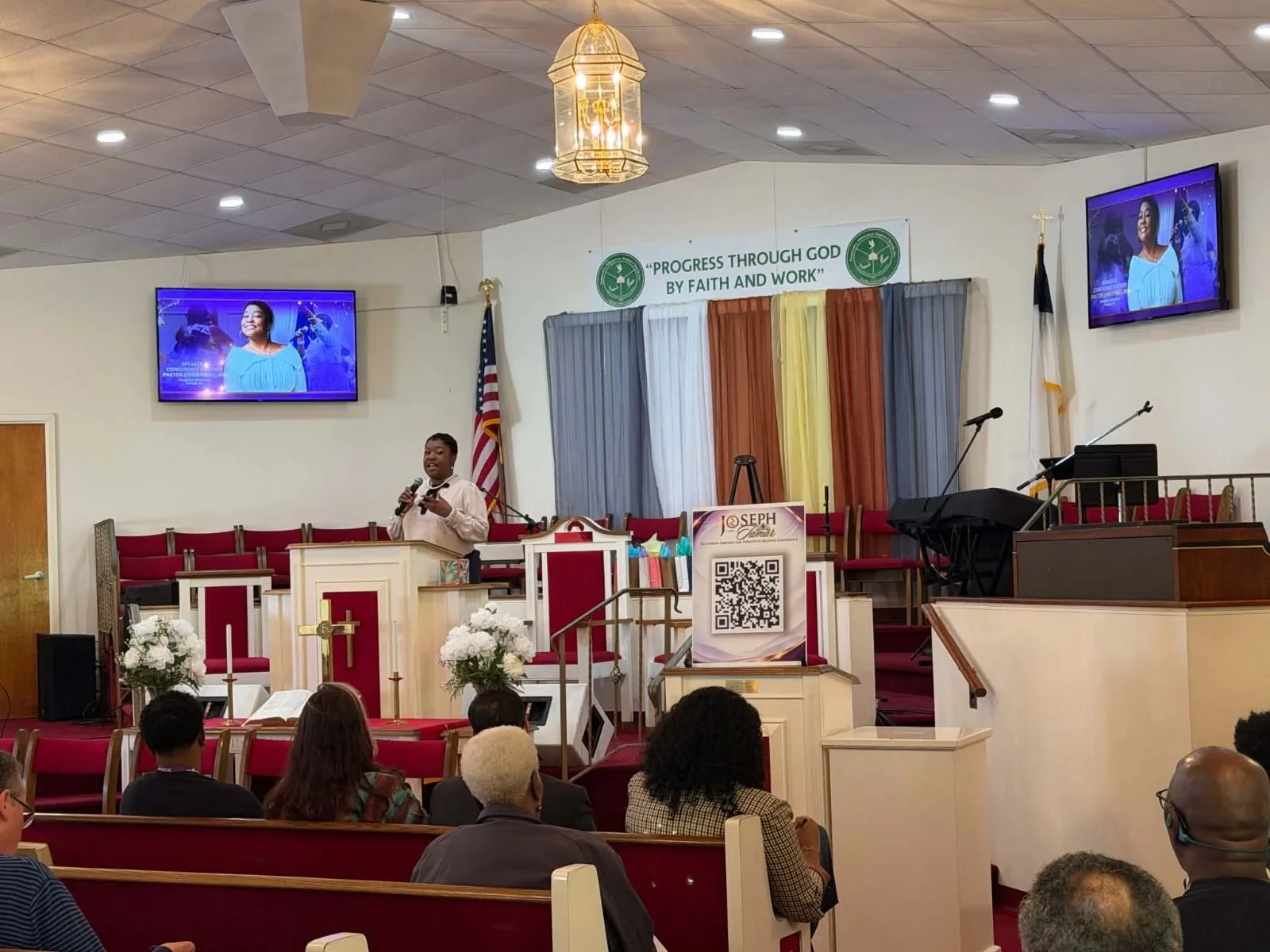
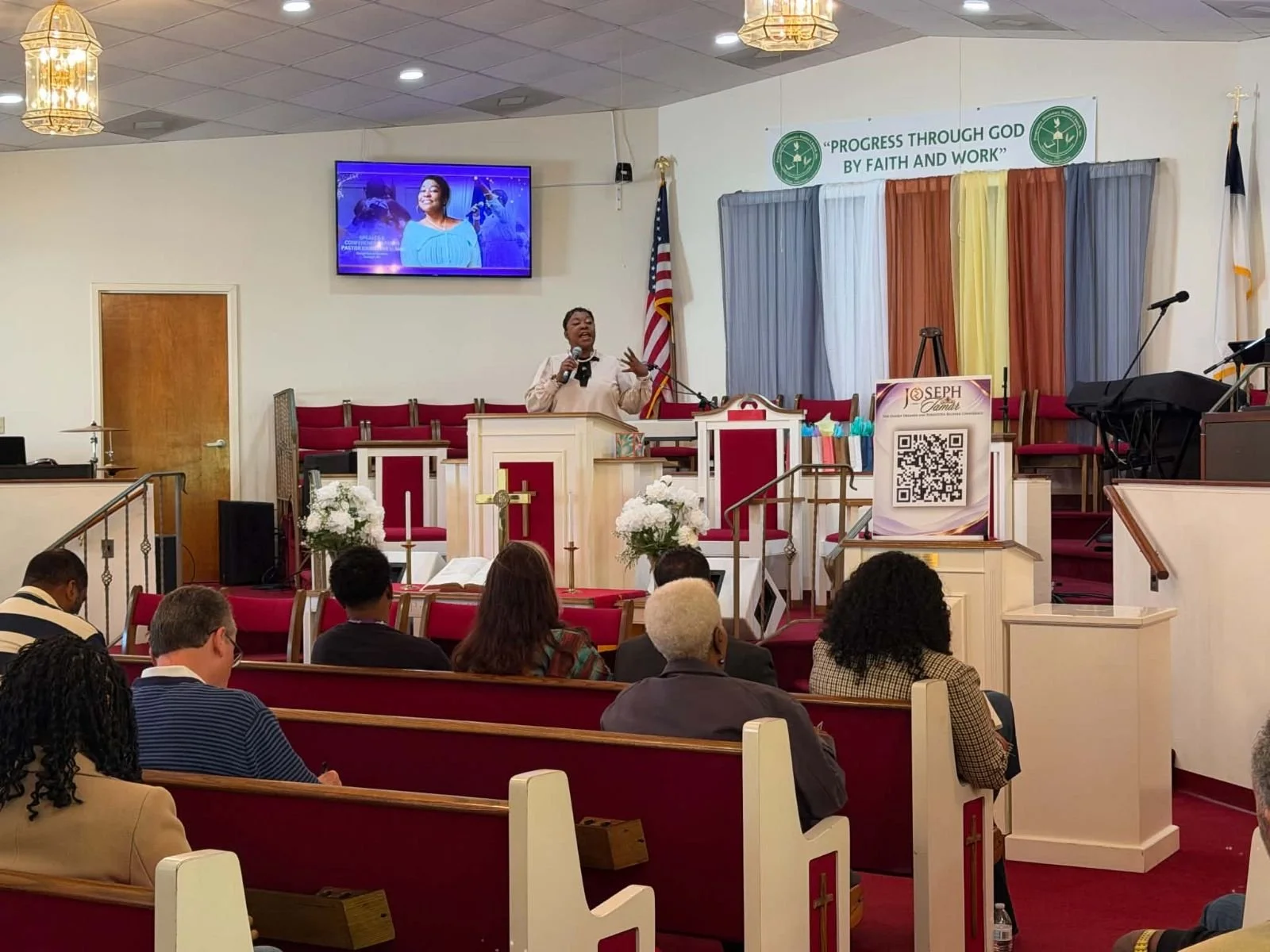
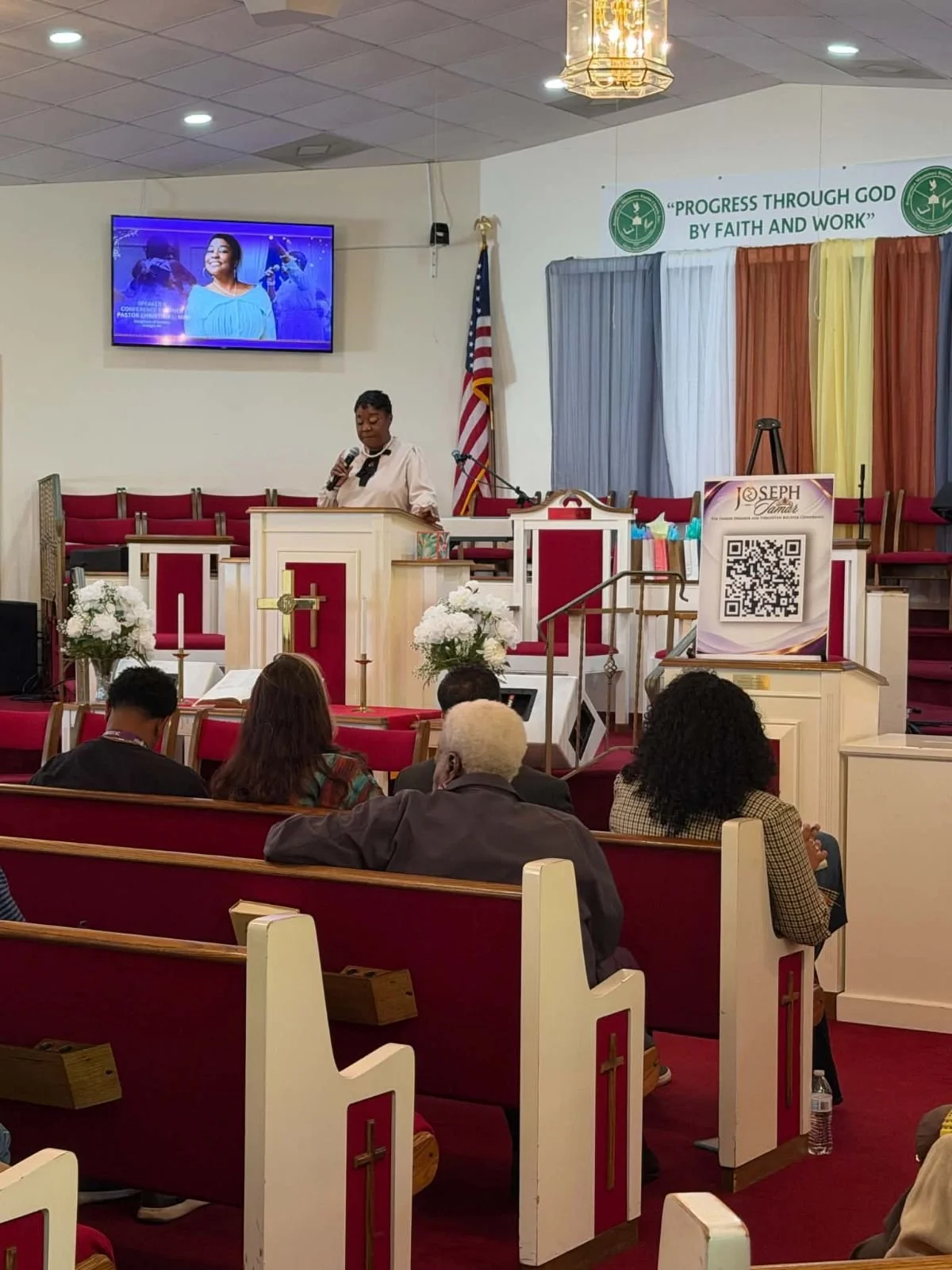
Under the theme Breaking Silence on Sexual Violence in Sacred Spaces, the conference, held November 14, 2026, at Progressive Missionary Baptist Church in Raleigh, North Carolina, brought together survivors, spiritual leaders, mental health professionals, advocates, and community members for worship, education, reflection, and conversations too often avoided within faith communities.
What unfolded was more than a series of presentations. Each experience built upon the next, creating meaningful connections between faith, identity, healing, and accountability.
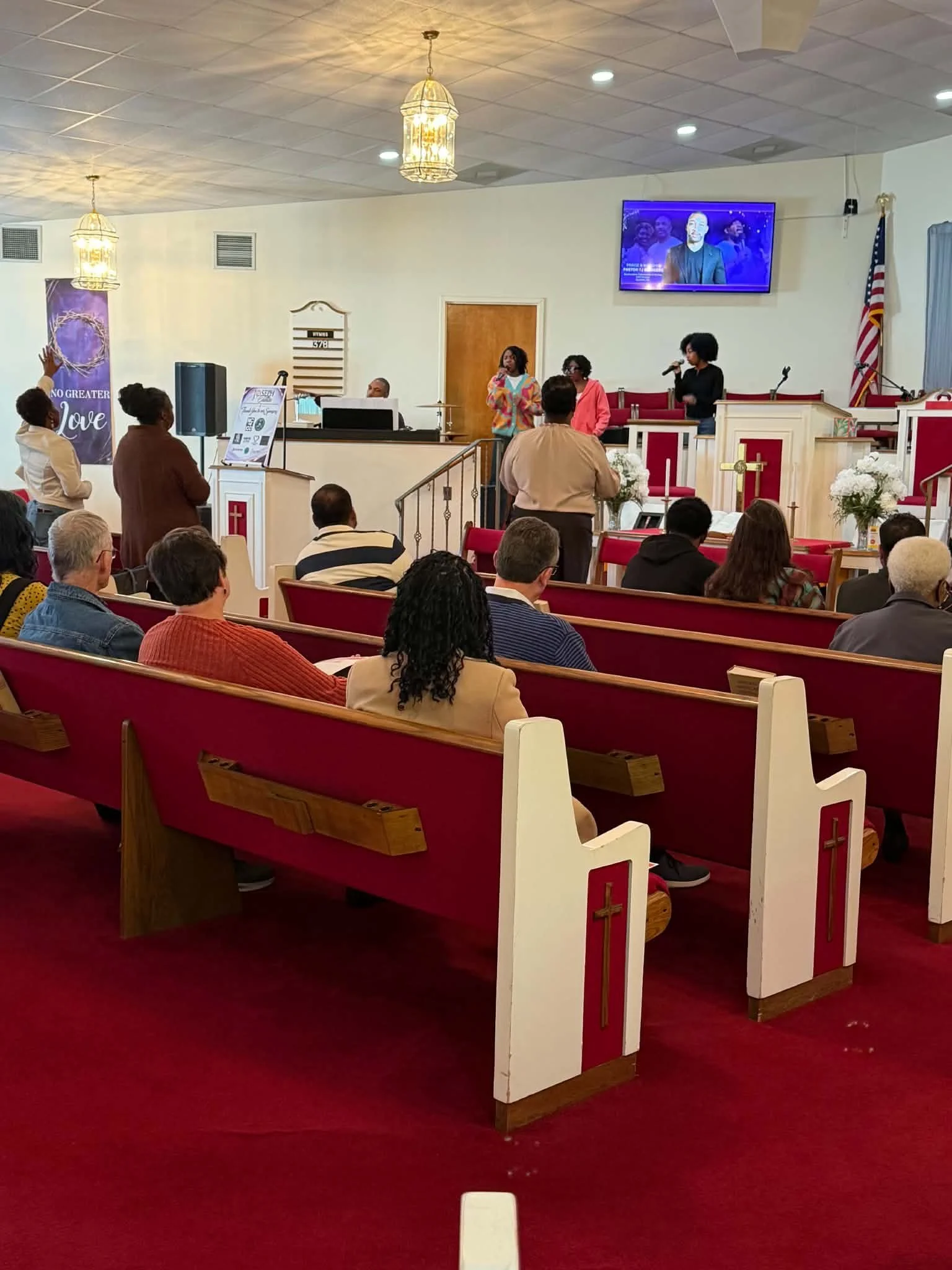
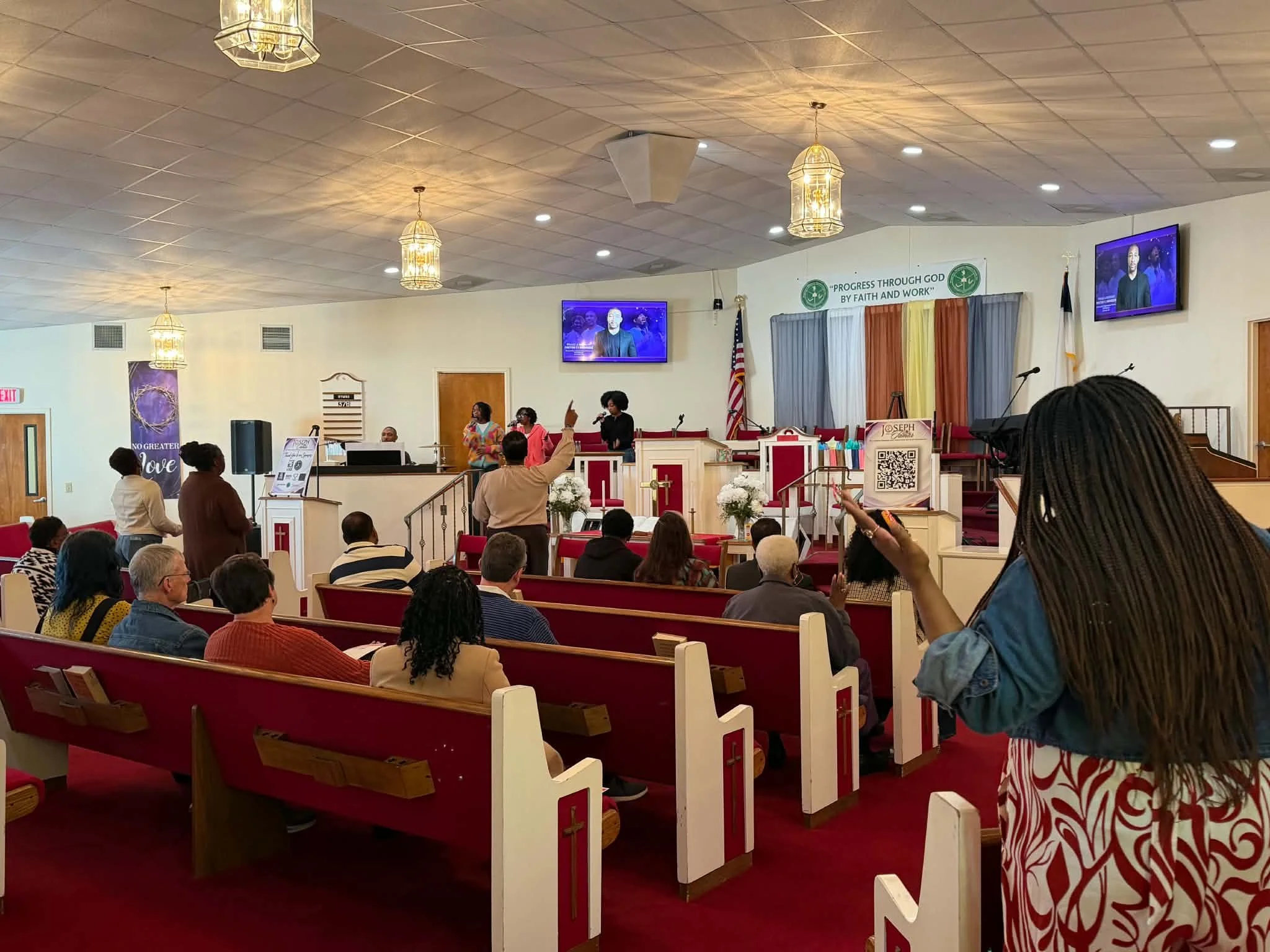
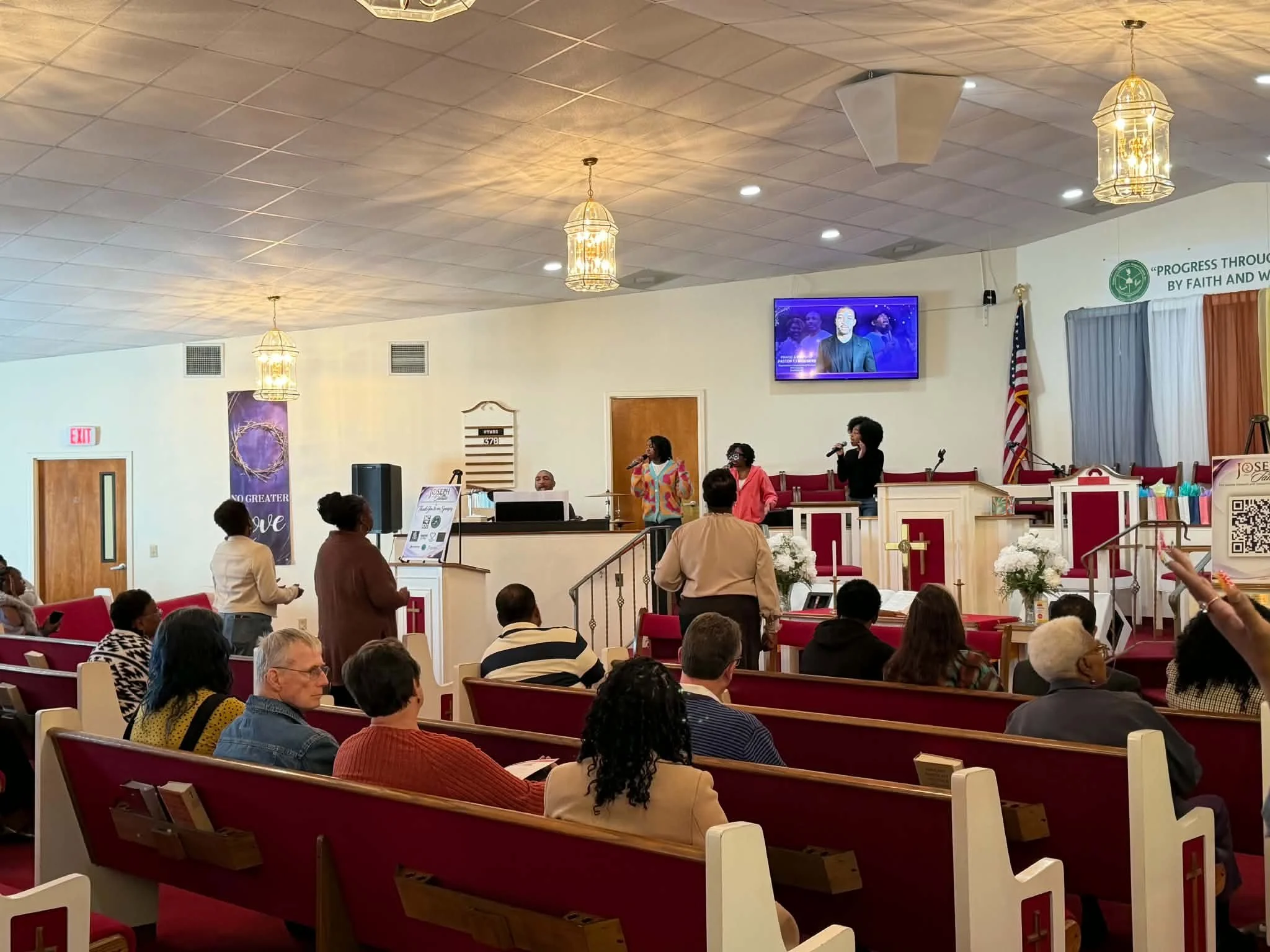
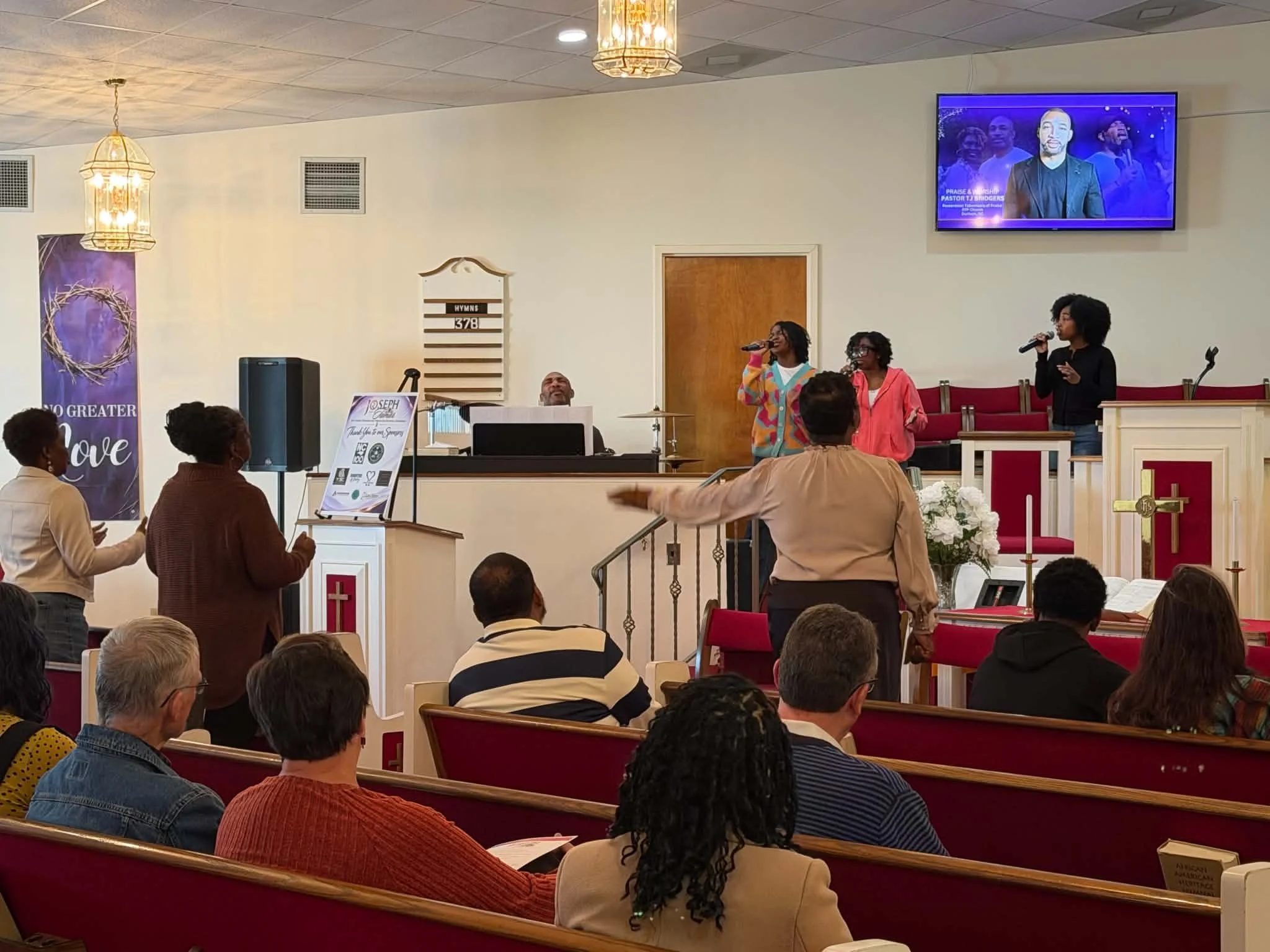
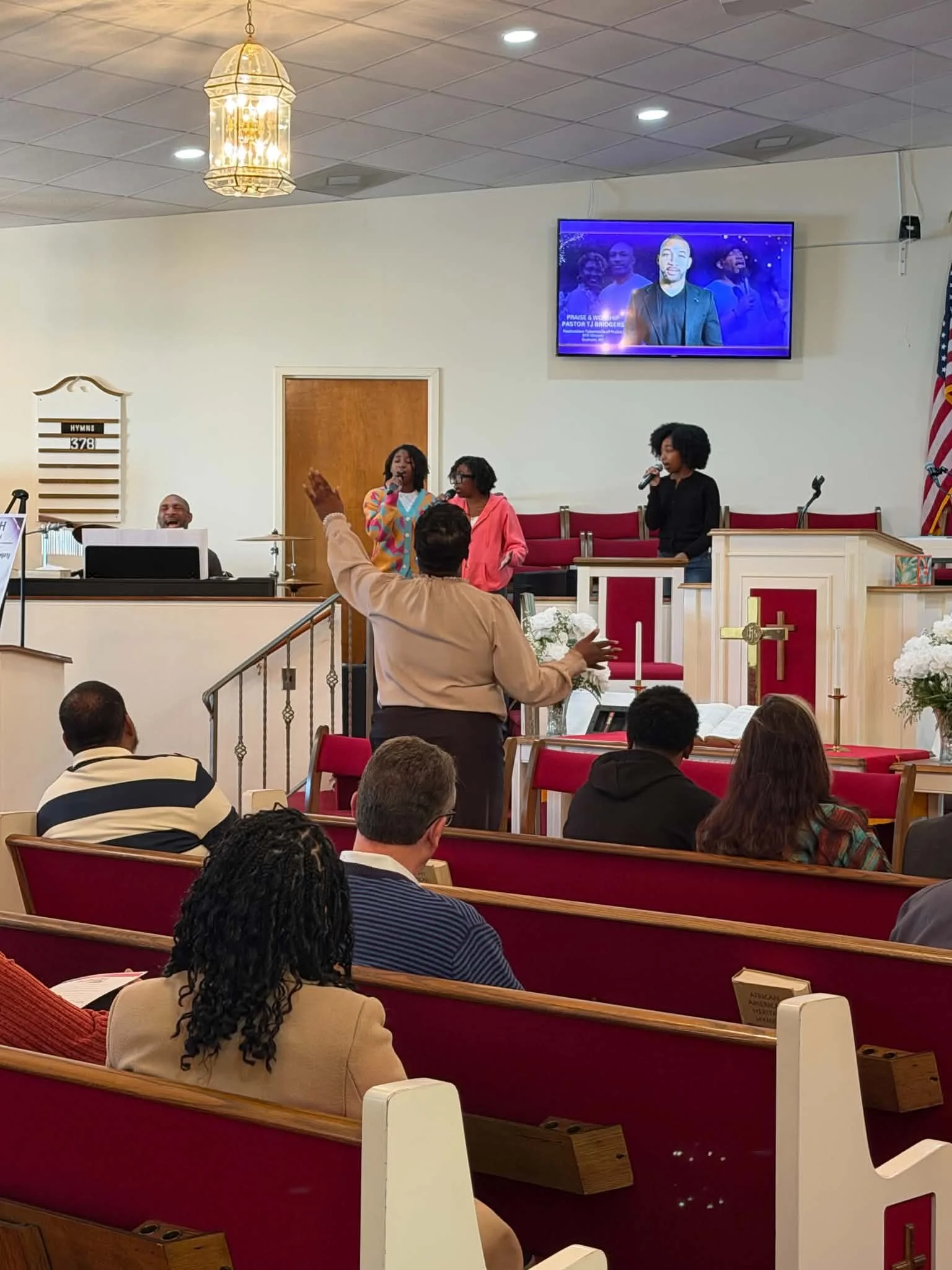
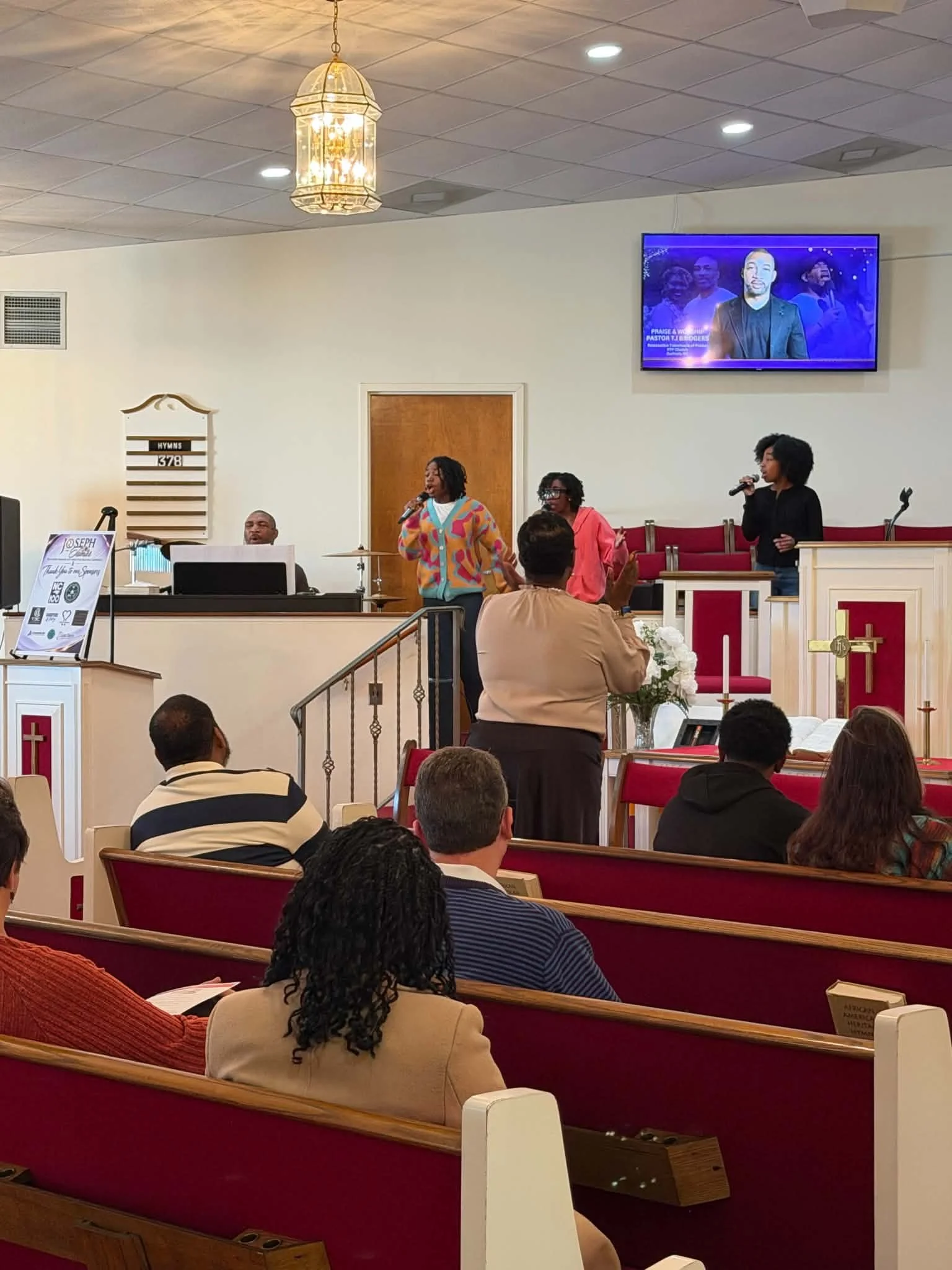
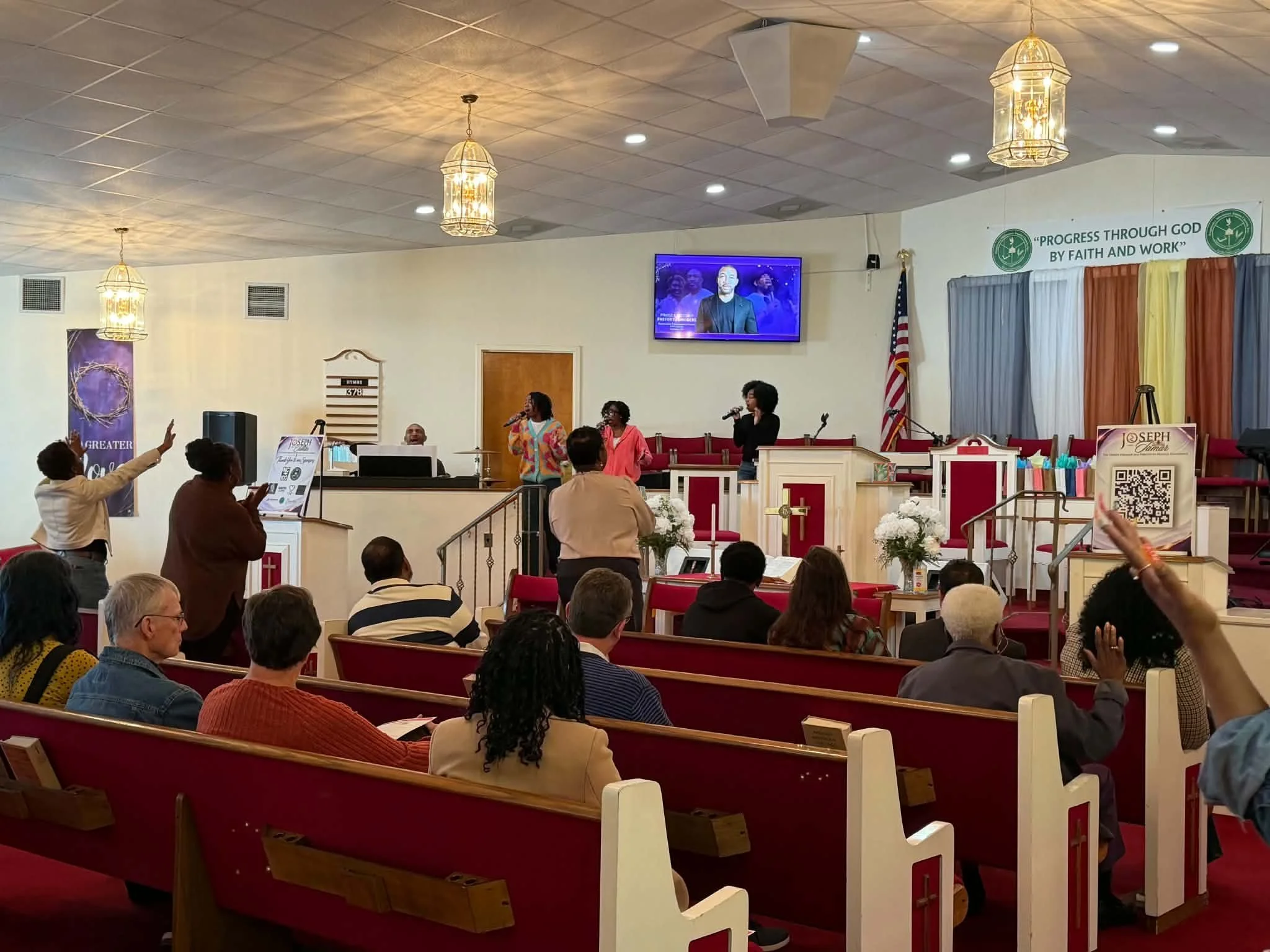
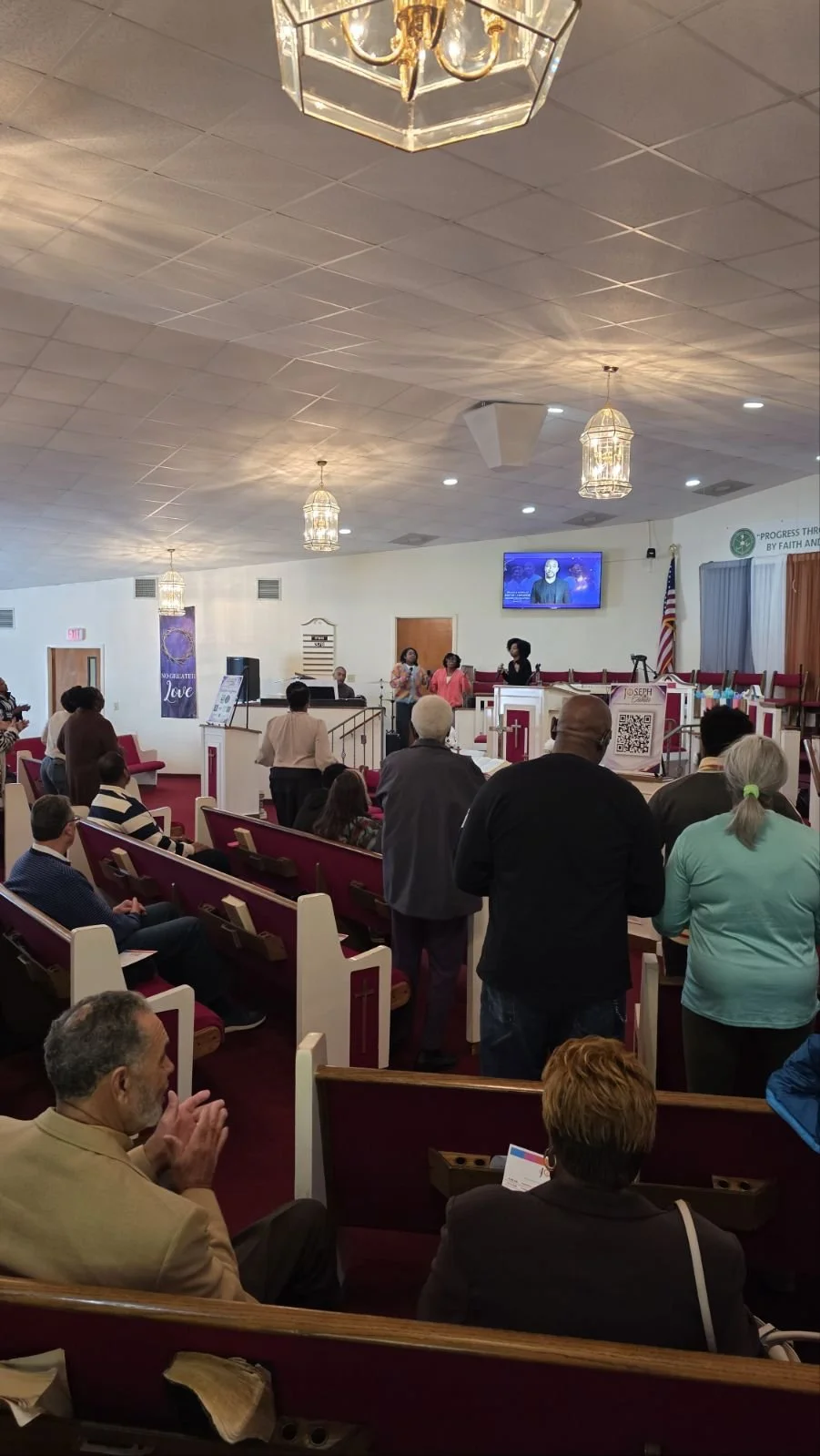
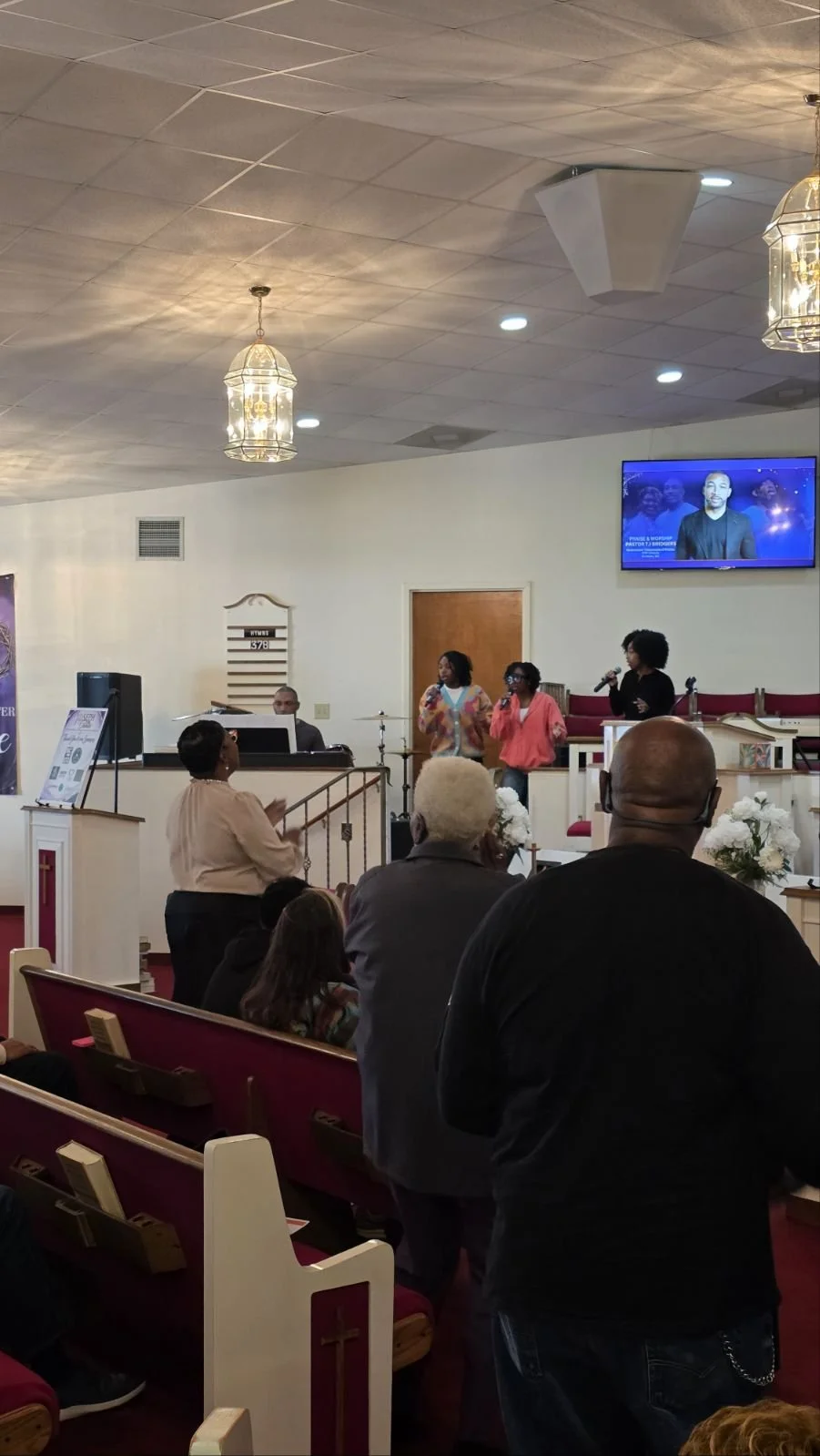
The conference opened with praise and worship led by Overseer William “Pastor TJ” Bridgers III of Restoration Tabernacle of Praise Church. While his ministry established an atmosphere of spiritual reflection, witnessing him minister alongside his daughters carried a significance of its own. In a gathering focused on experiences of harm within sacred spaces, seeing a father and his daughters worshipping together offered a visible expression of family, trust, and connection; a reminder of what healthy relationships and spiritual leadership can look like.
Sometimes, healing begins not with what someone says, but with what we are permitted to witness. That moment reminded us that positive examples of relationships and spiritual leadership can be just as important as conversations about the harm that sometimes occurs within them.
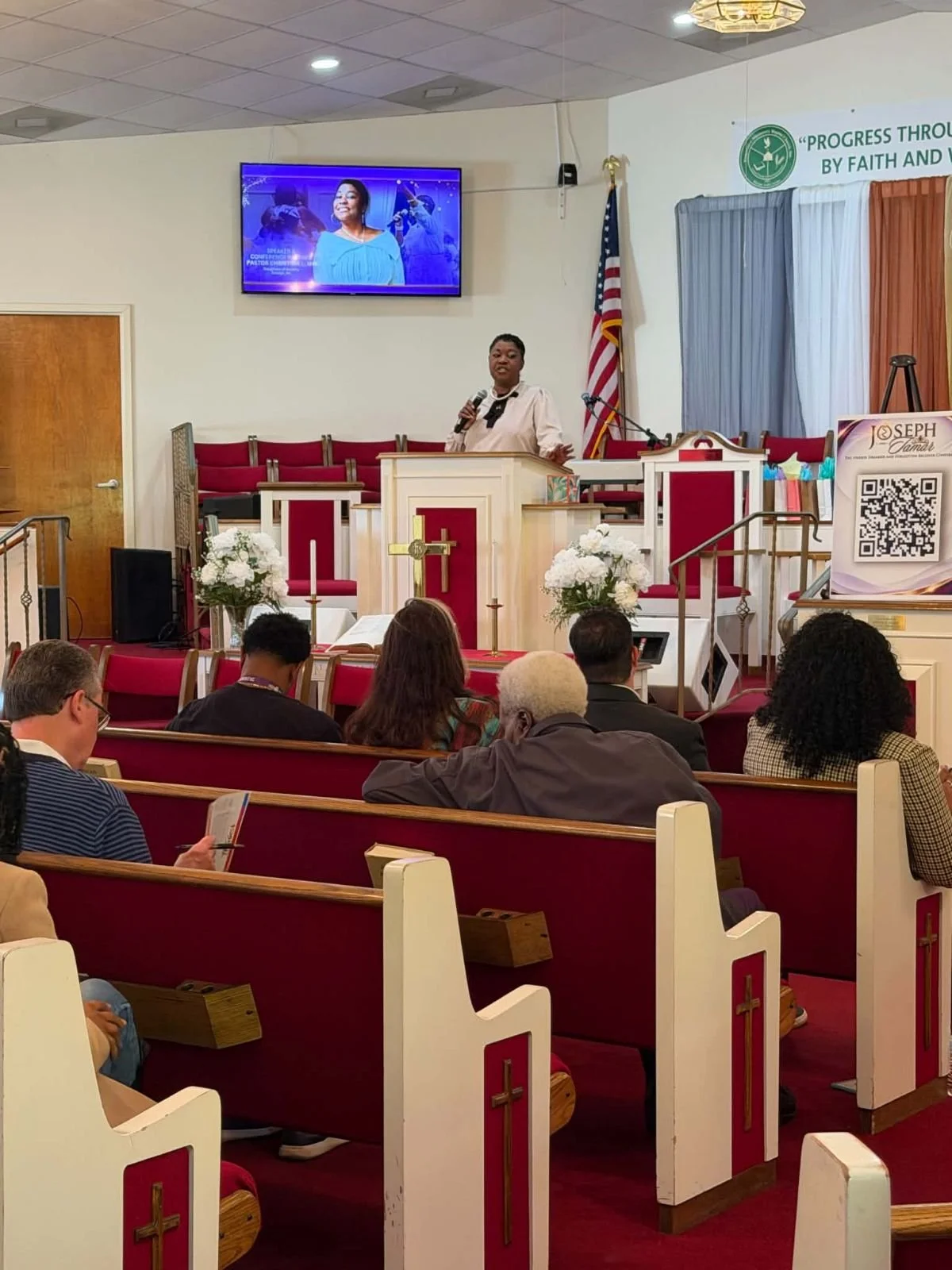
Opening speaker Pastor Christina L. Mial, founder of Daughters of Destiny, introduced a message that would help define the entire experience: “You had a name before you had a story.”
Those words challenged us to consider how easily individuals become identified by what happened to them rather than who they are. Sexual violence and spiritual trauma can influence a person's understanding of identity, belonging, and self-worth. Yet before someone becomes a survivor, a statistic, or a testimony, they are a person whose humanity deserves recognition. Our experiences may shape us, but they do not erase the identity and dignity that existed before them.
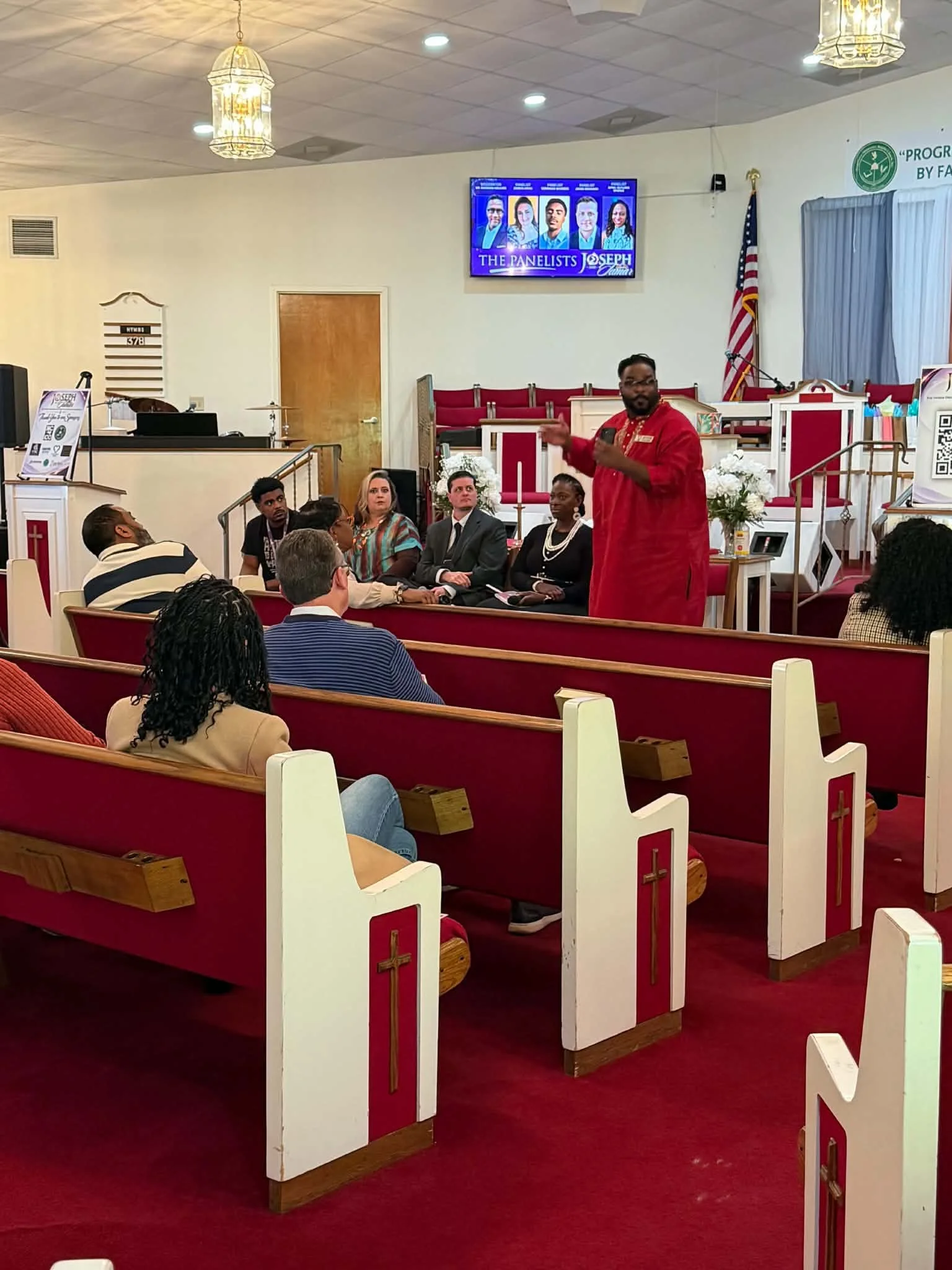
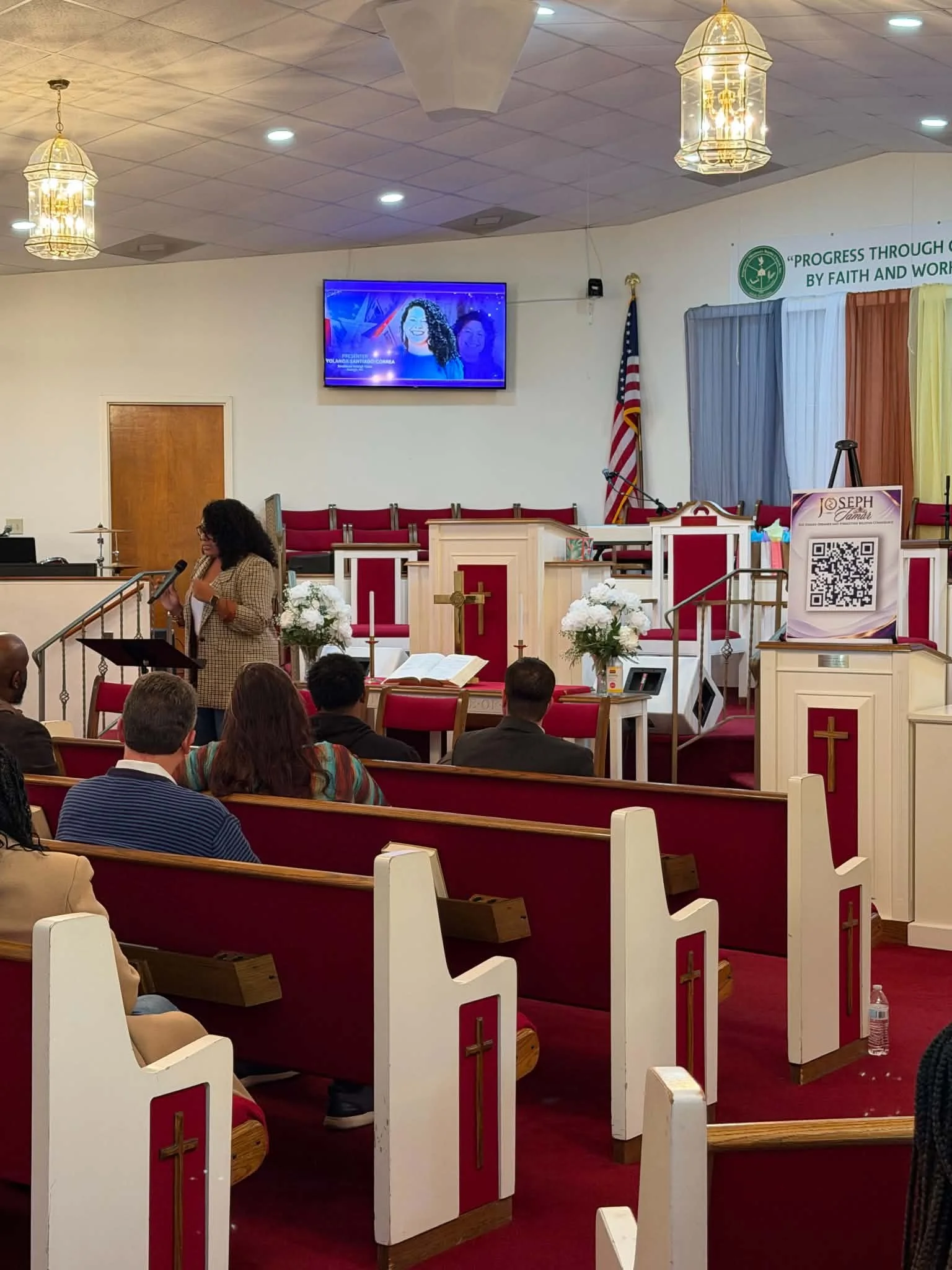
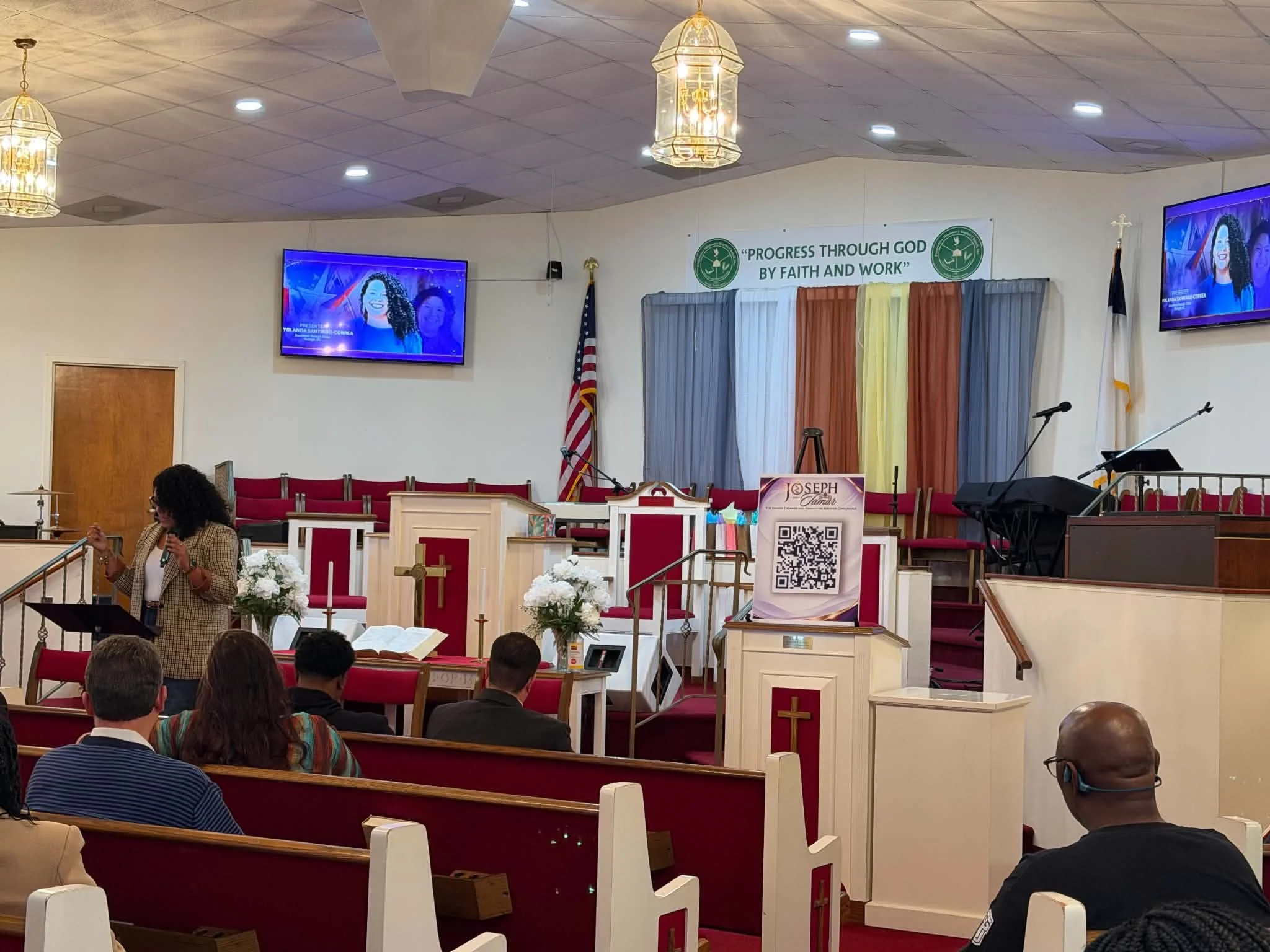
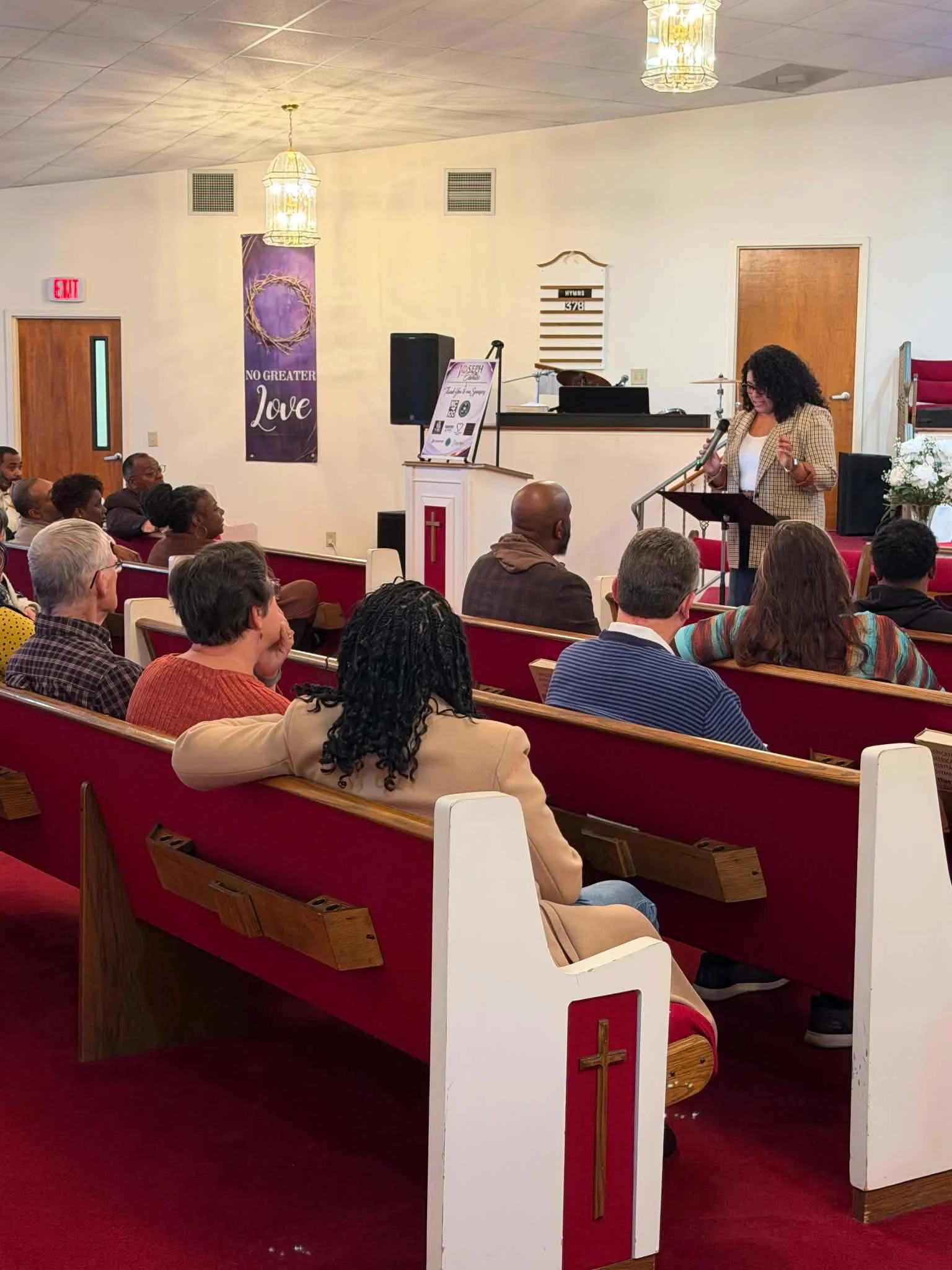
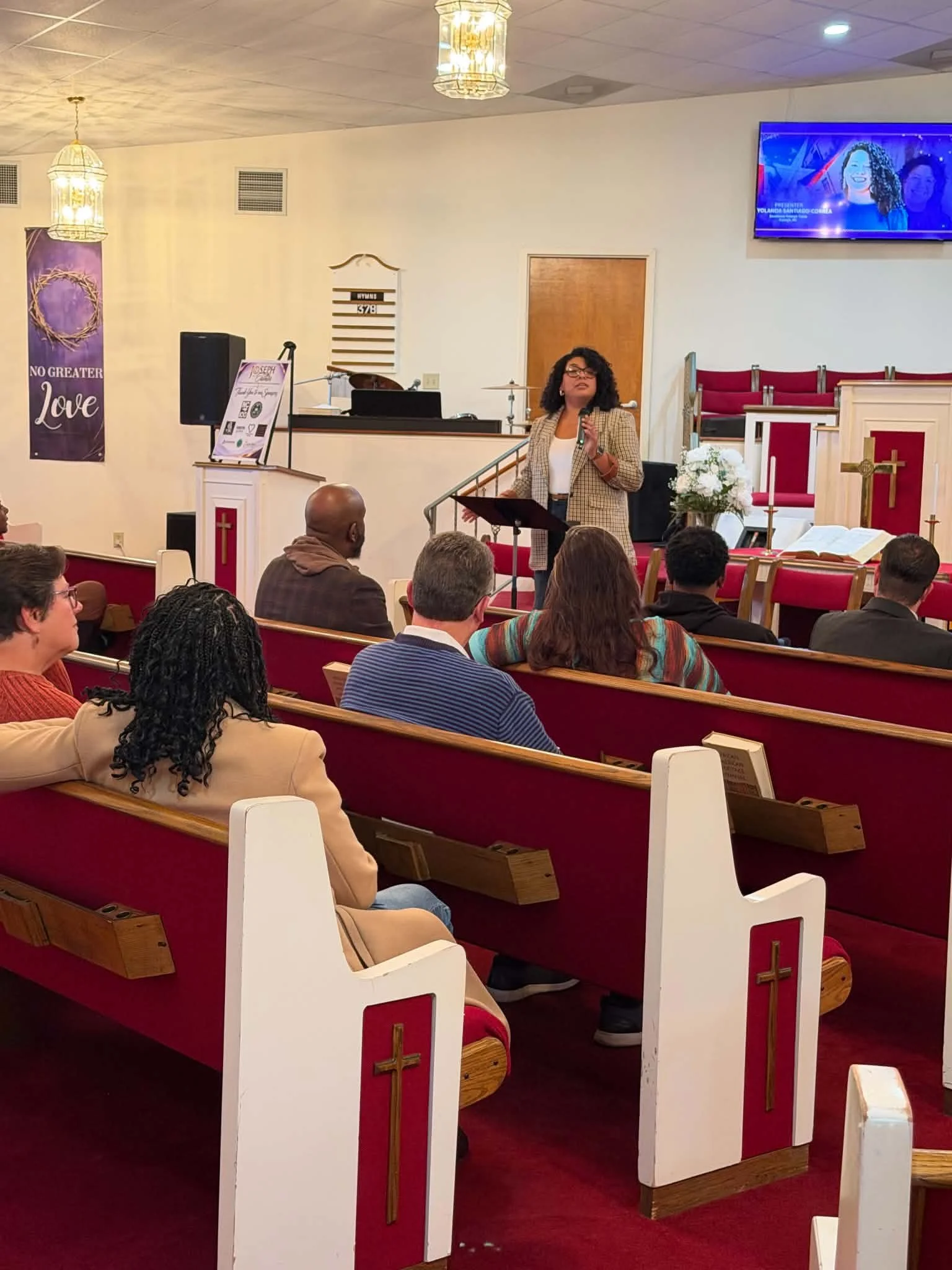
That message established a foundation for the workshops facilitated by Pastor Tara T. Greene of First Peter Baptist Church and Yolanda Santiago-Correa of Southeast Raleigh Table. Both challenged participants to move beyond awareness and consider practical strategies for creating safer sacred spaces, particularly by examining the language we use around trauma, forgiveness, accountability, and healing.
Words have consequences. Sometimes, the language we believe communicates encouragement or spiritual support can unintentionally create barriers to safety. When someone shares an experience that challenges our understanding, are we listening to understand or simply preparing a response? Are we making room for their truth, or attempting to fit their experience into what we already believe?
These workshops reminded us that creating safer environments requires more than good intentions. It demands a willingness to examine our assumptions, leadership practices, and the ways familiar expressions may unintentionally reinforce silence.
One participant later shared, “Great job today and powerful conference! Thank you for sharing and creating a safe space.”
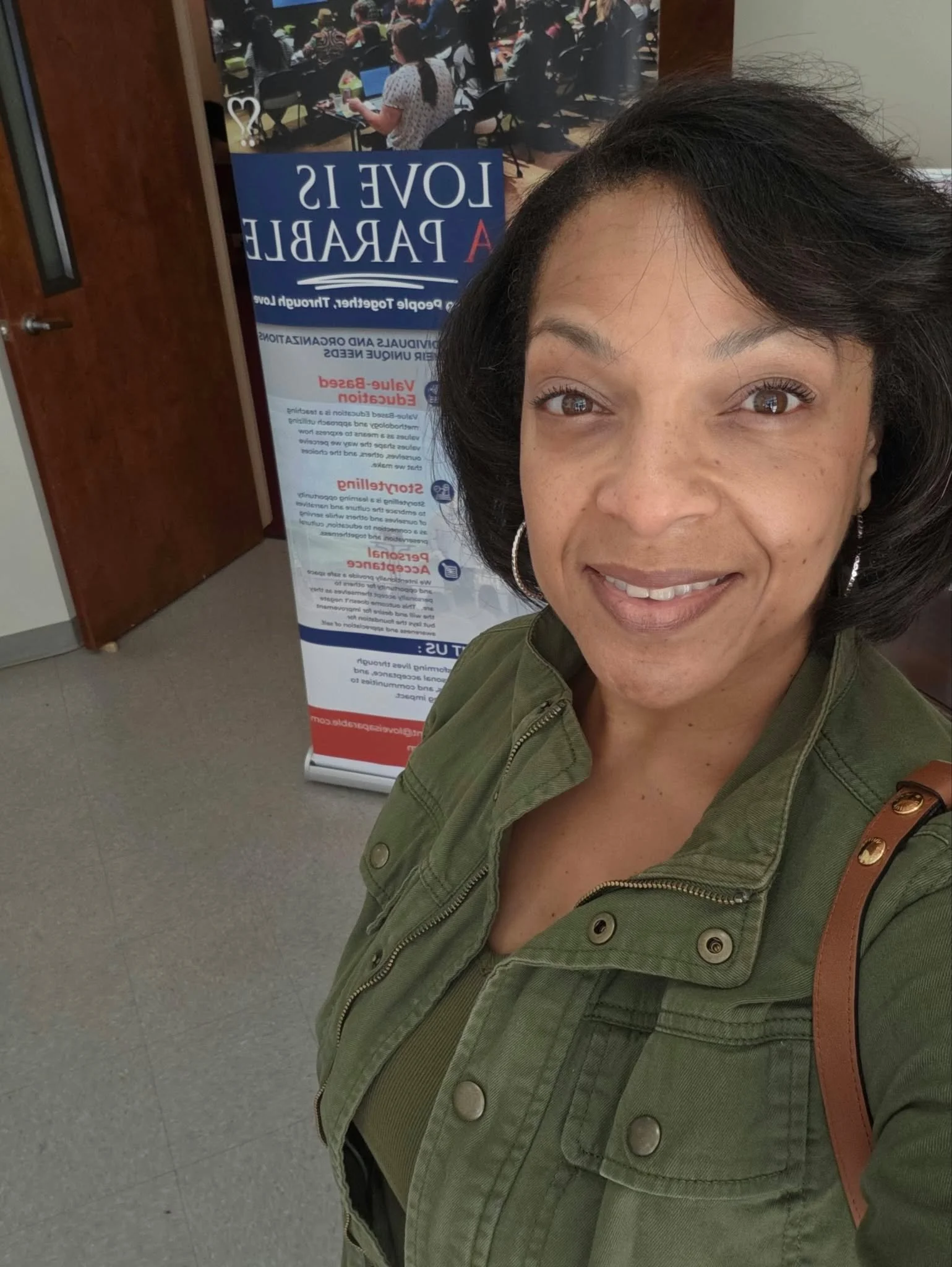
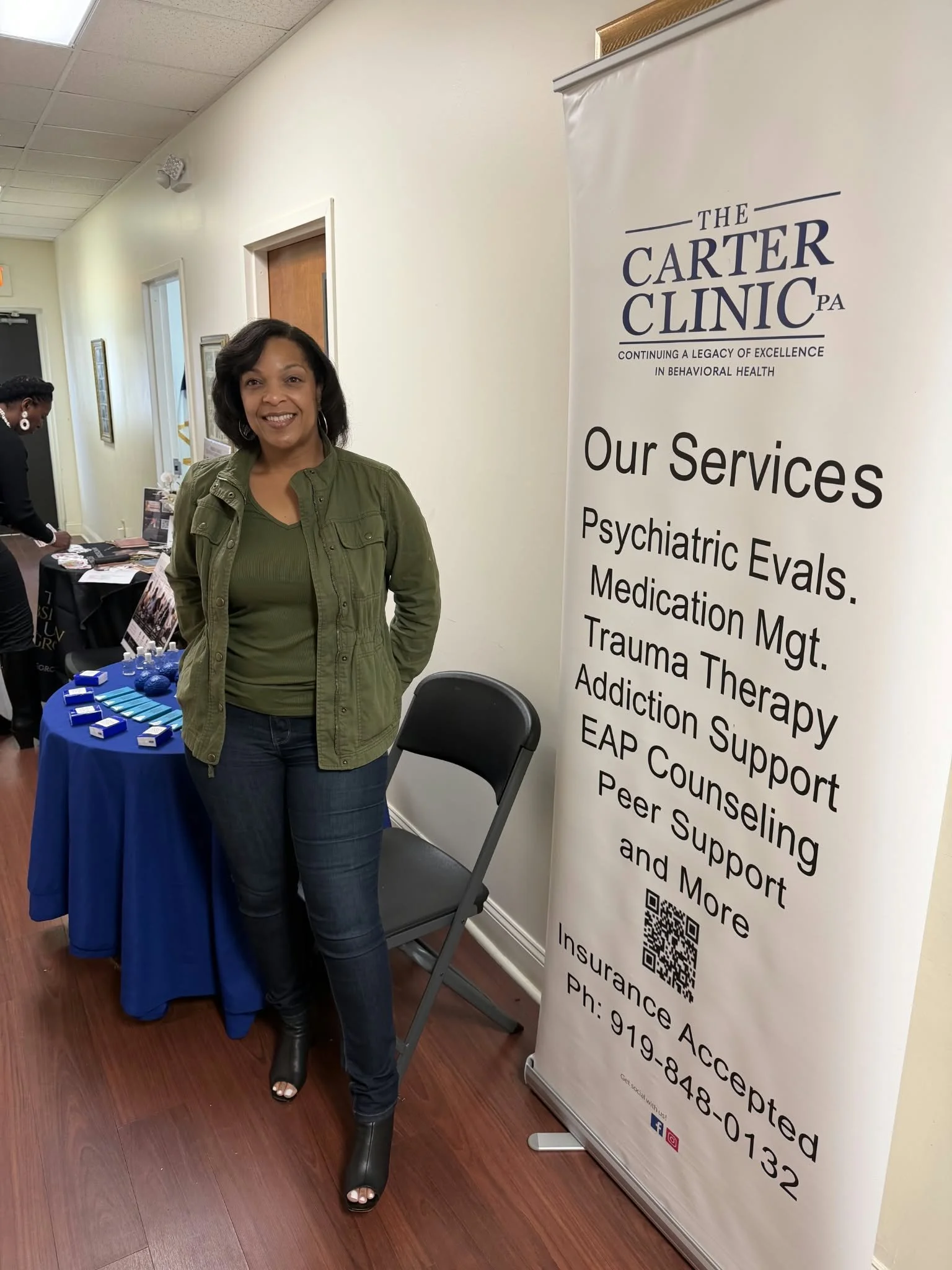
Perhaps one of the clearest examples of this commitment was the Zen Room, made possible through the partnership of Renewed Strength Counseling Services. The room provided participants with an opportunity to step away from the main gathering, process their emotions, and receive support from licensed mental health professionals. Additional therapeutic support was provided by April-Autumn Hughes, LCSW.
This resource was essential because conversations surrounding sexual violence, spiritual trauma, and betrayal can awaken memories, reveal previously unrecognized experiences, or stir emotions that individuals may still be processing. We could not responsibly invite people into vulnerable conversations without considering how they might be supported throughout the experience.
Too often, individuals who become overwhelmed are made to feel as though their emotions are disruptive or that they must separate themselves from the community until they can regain their composure. We wanted to challenge that experience. The Zen Room offered participants an opportunity to retreat without being dismissed, isolated, or made to feel unwelcome. It also allowed them to return to the conference when they felt ready.
There is a difference between giving someone a place to go and ensuring they have somewhere to belong.
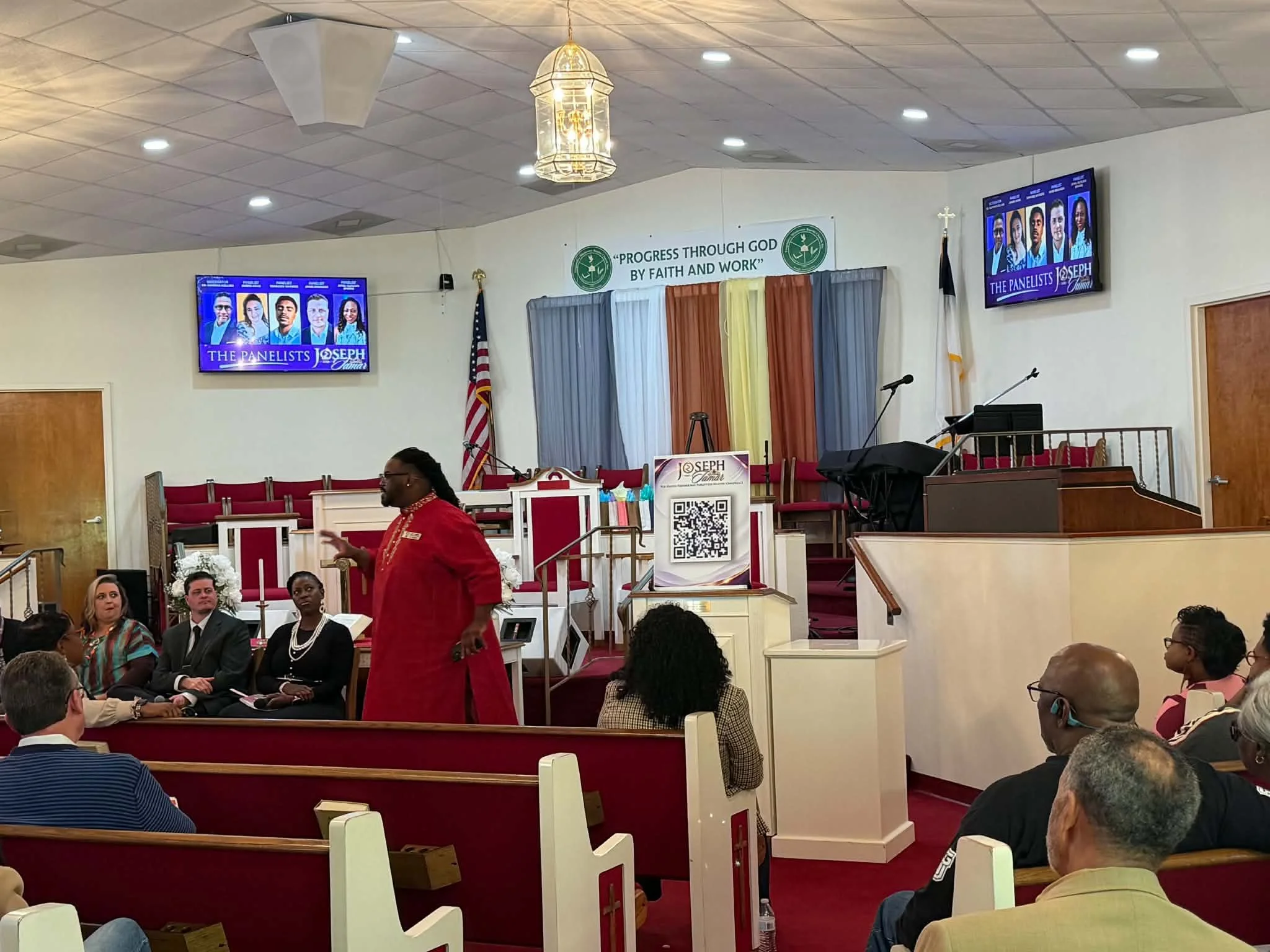
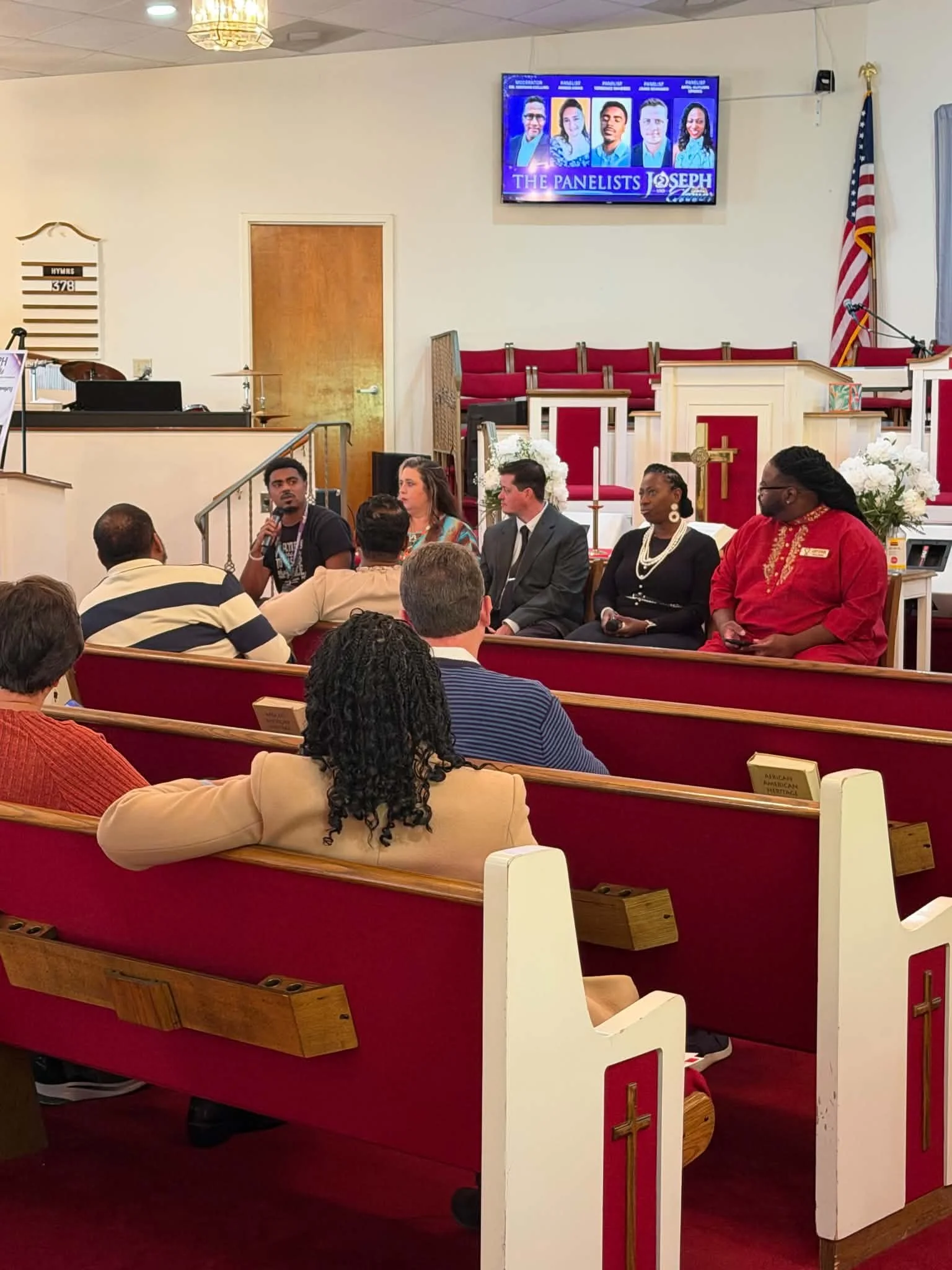
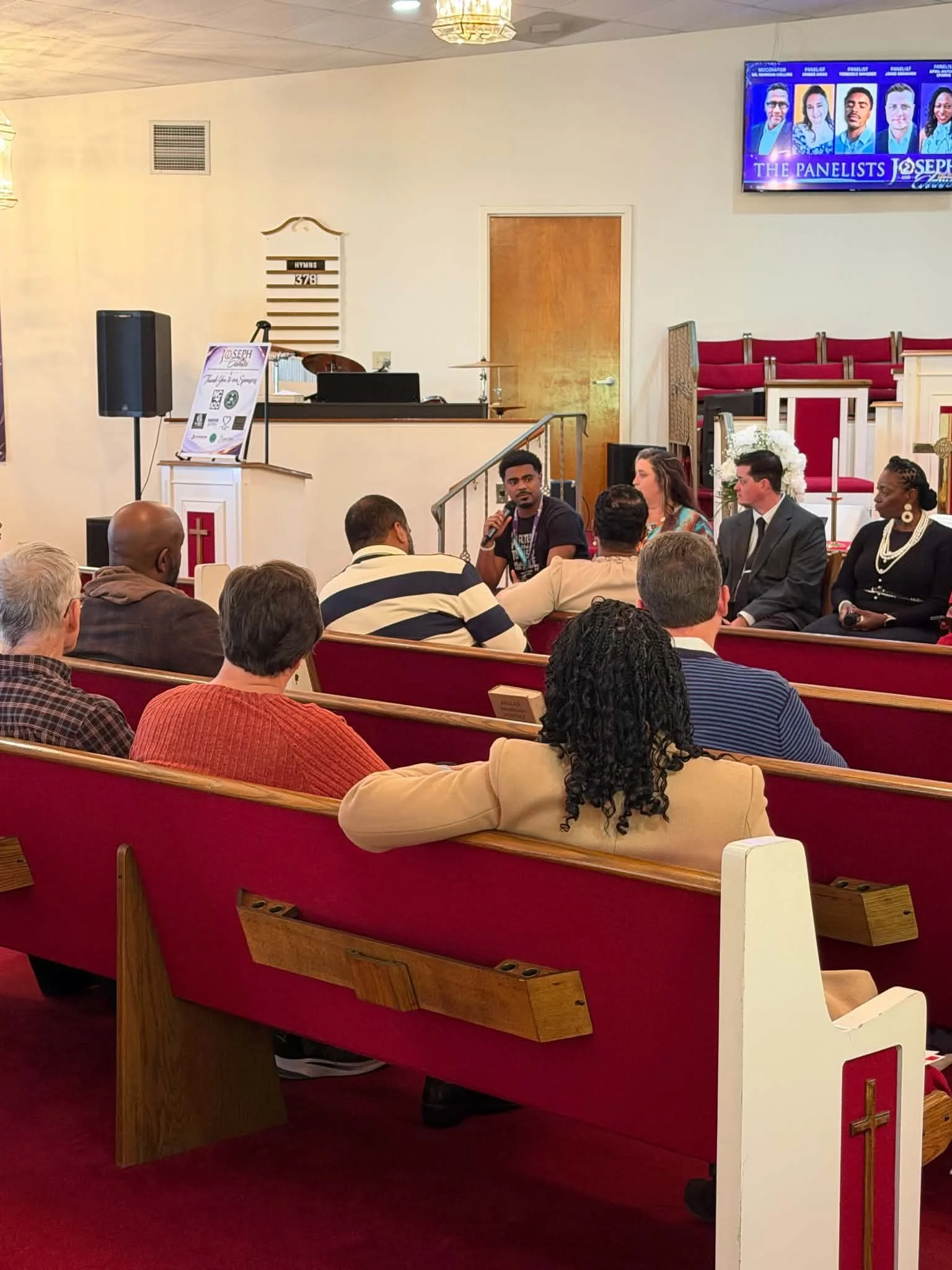
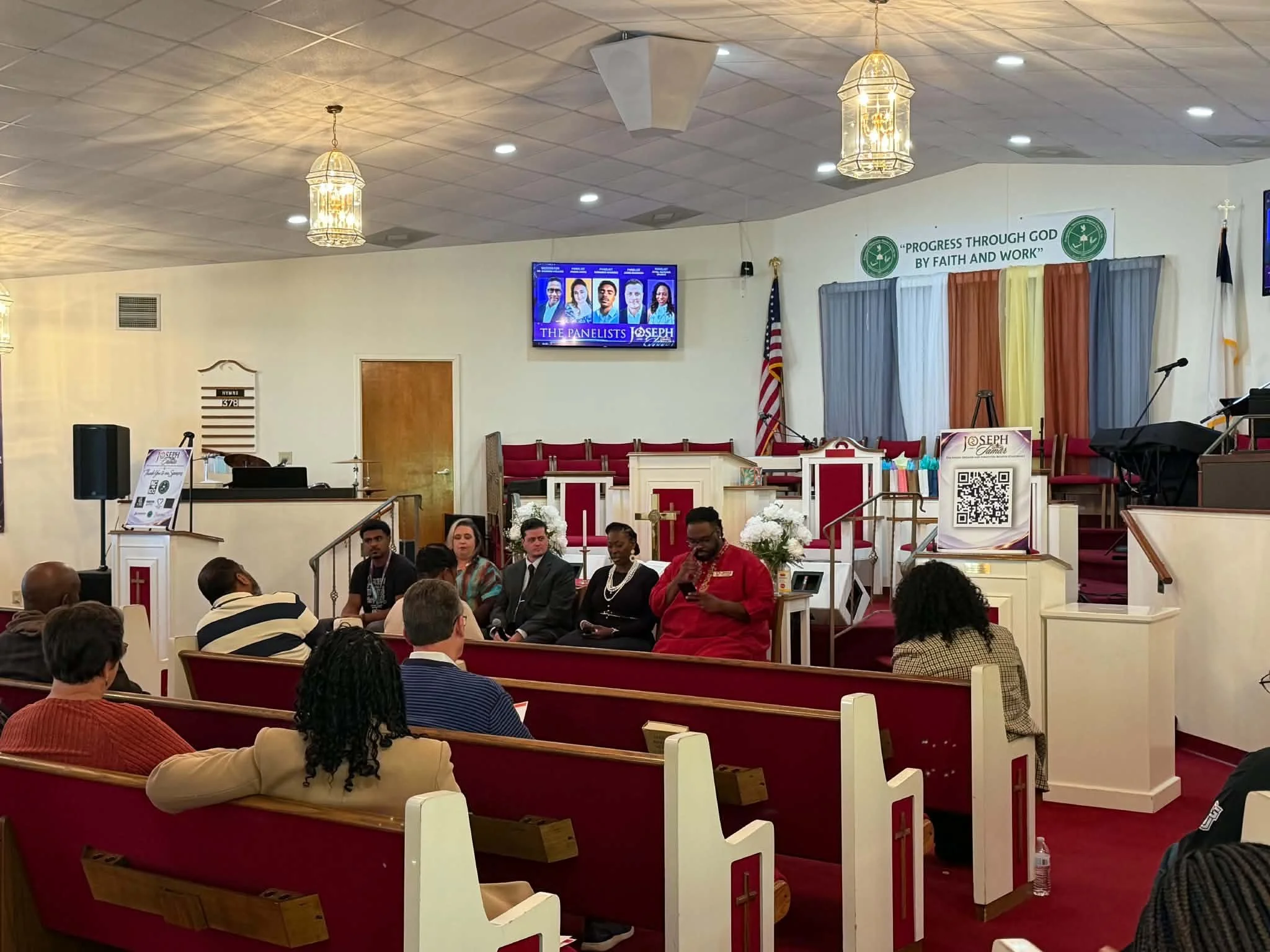
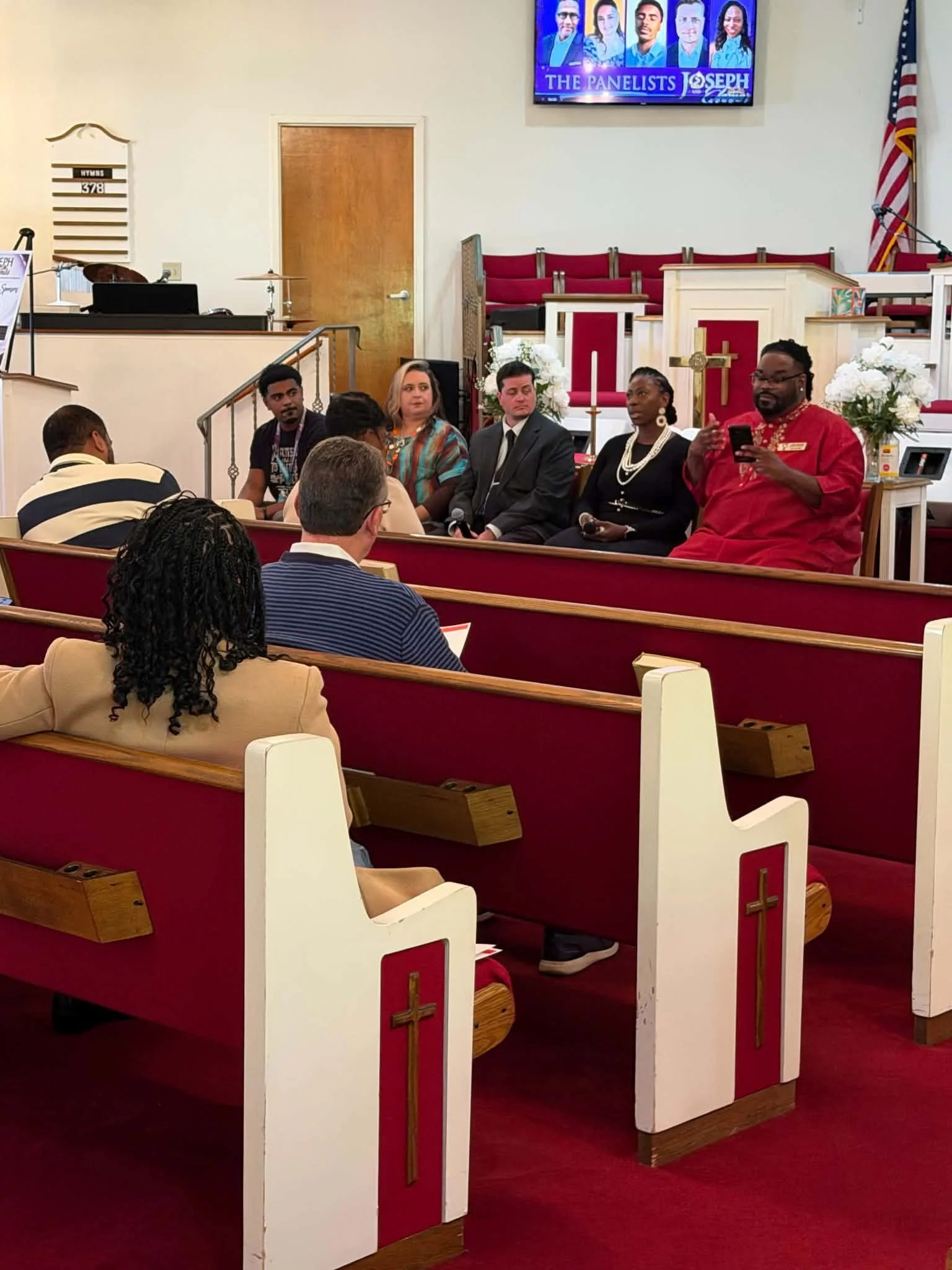
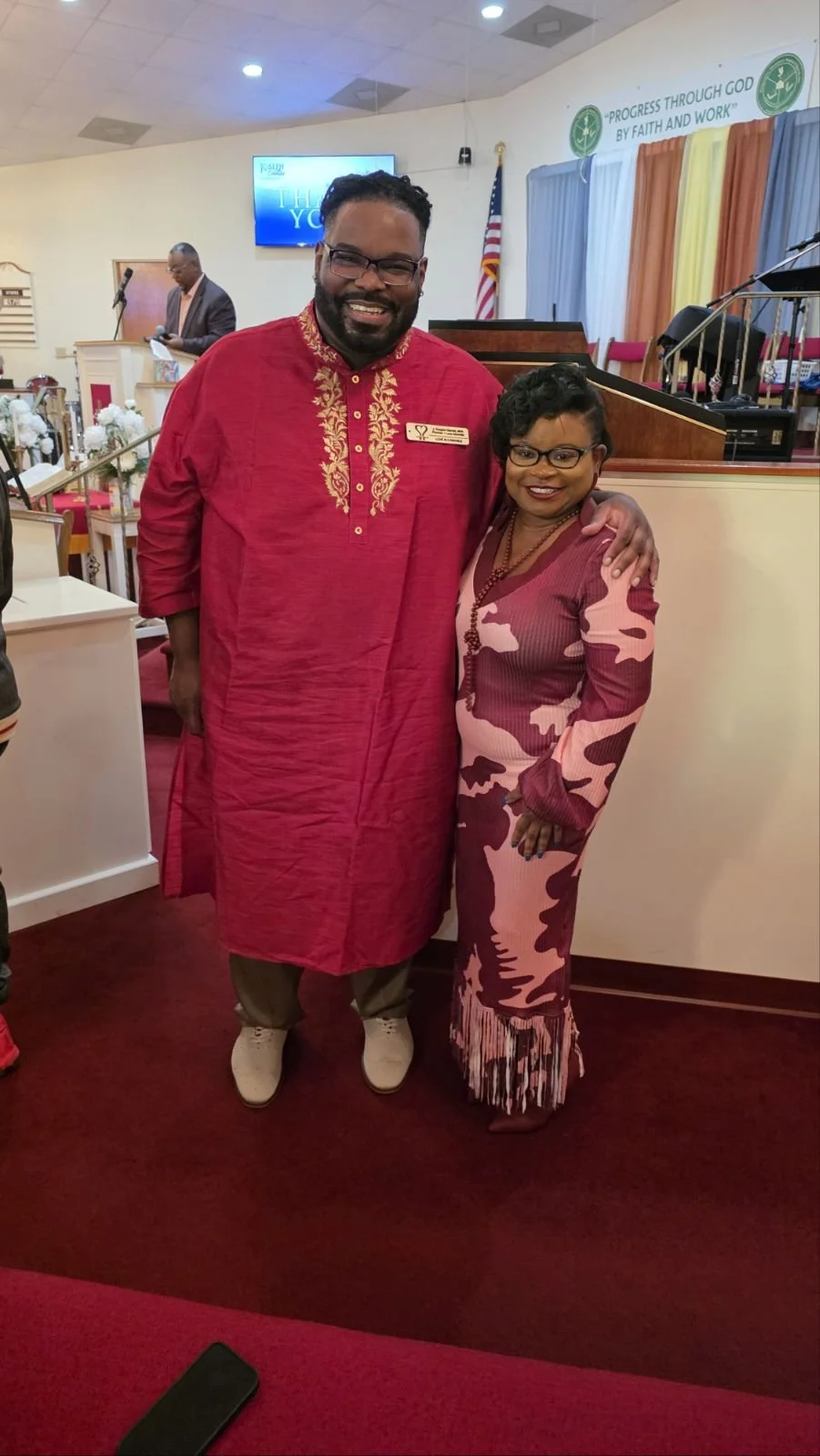
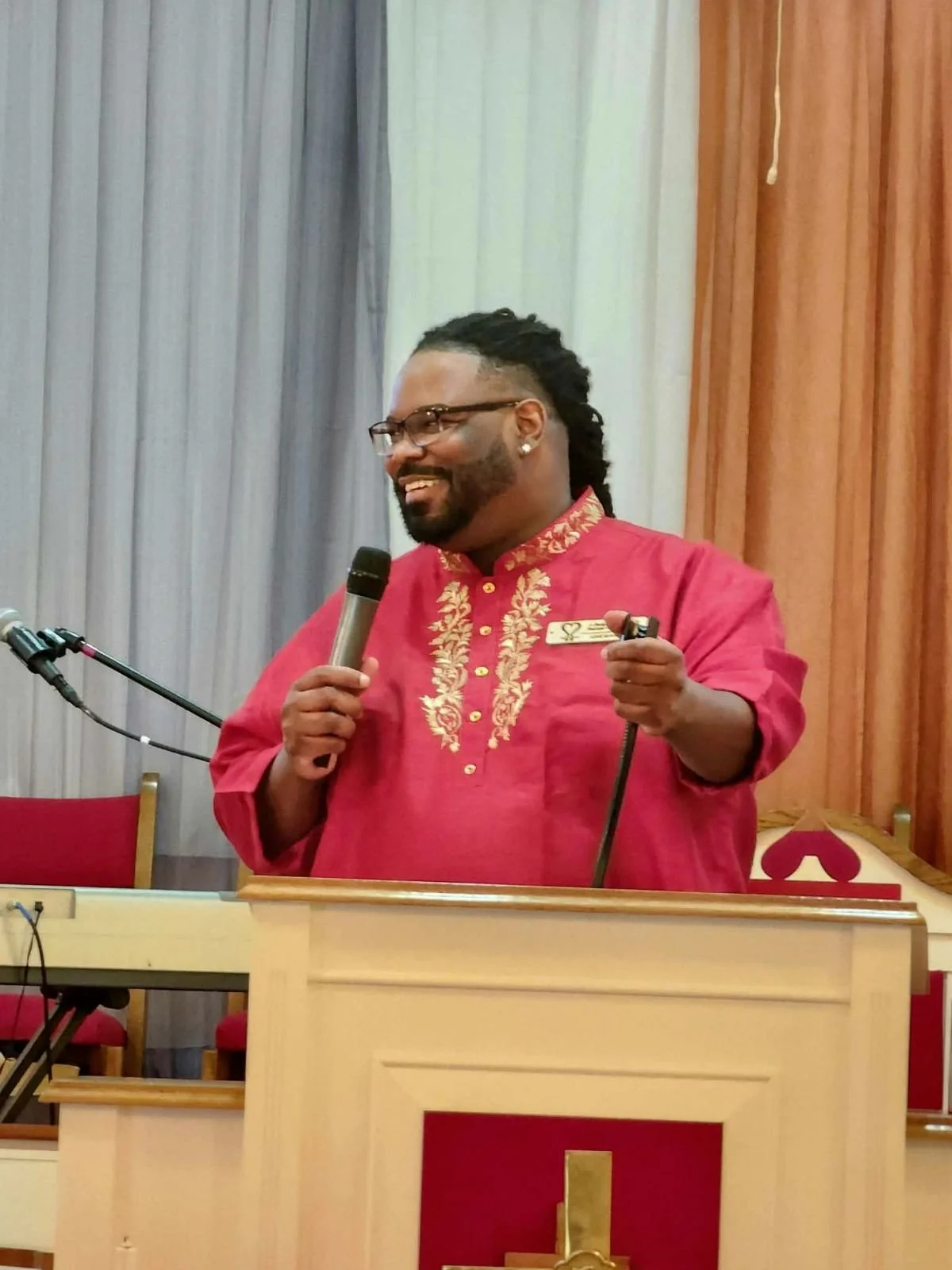
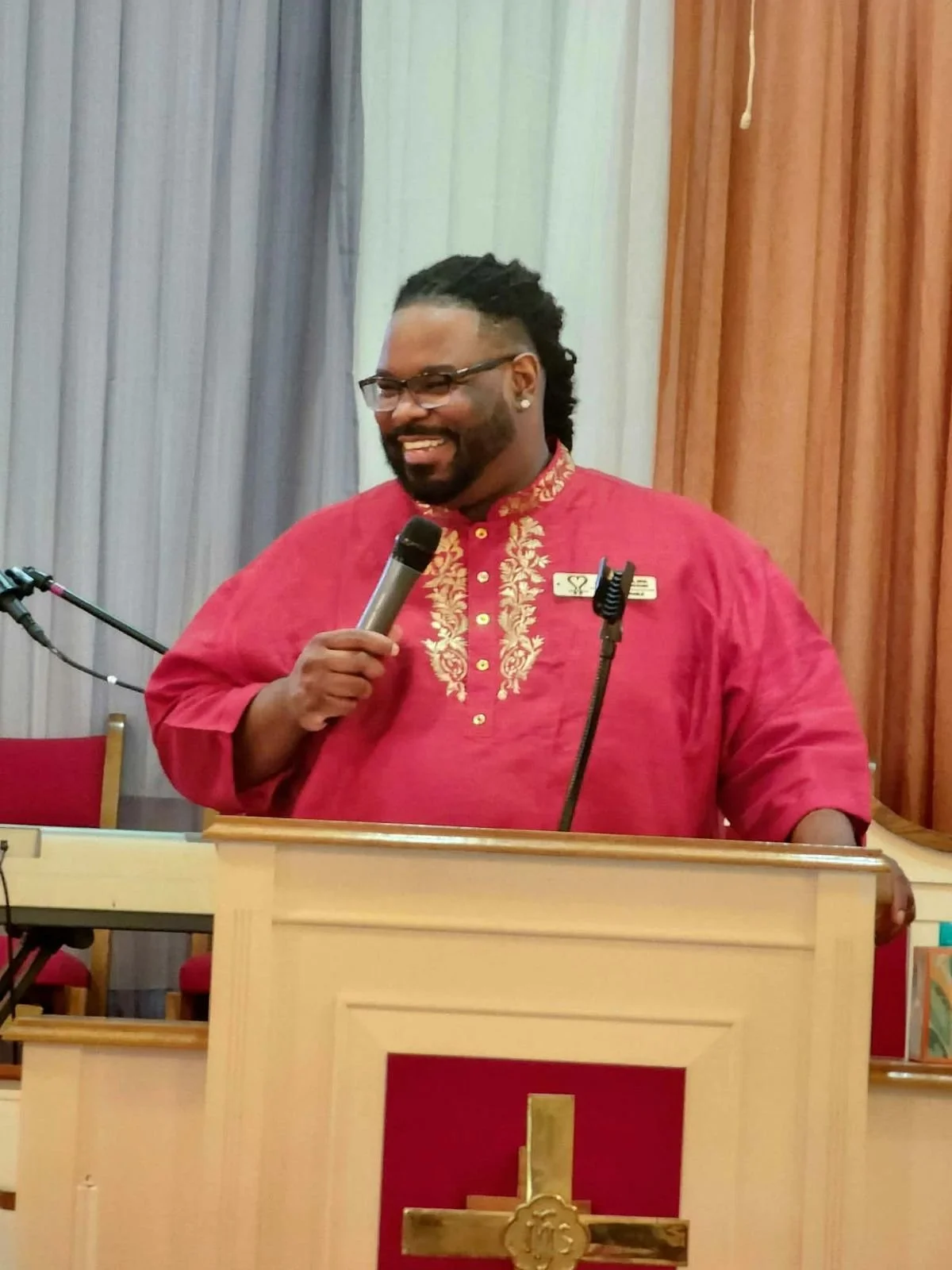
The panel discussion, moderated by Love Is A Parable Founder and CEO J. Dwayne Garnett in the absence of originally scheduled moderator Dr. Norman Van Collins, further expanded the conversation. Panelists April-Autumn Hughes, LCSW; Terrence Whidbee; Jaime Branagh; and Amber Arias brought together professional knowledge, advocacy, and lived experiences to explore the intersections of sexual violence, spiritual authority, trauma, and healing.
What made the discussion especially powerful was its ability to move beyond the stories we sometimes hear about but rarely take time to understand. It reminded us that behind every statistic and headline is someone whose experience deserves to be heard without judgment or unnecessary filtering.
The panel reinforced that creating safer spaces means allowing individuals to share their experiences without requiring those experiences to align with our expectations. Sometimes, people need a space where they can simply scream, not because they expect someone to fix everything, but because they have spent years being silent, protecting others, or carrying emotions they never had permission to express.
Not every expression of healing is quiet, and not every uncomfortable conversation is harmful. Sometimes, discomfort is part of confronting what we have been unwilling to acknowledge.
A supporter of Love Is A Parable later reflected, “Conversations were sparked that will truly make a difference when they happen in more spaces.” That observation captured the larger purpose of the conference. These conversations belong beyond a single event. They must extend into our congregations, organizations, homes, and communities.
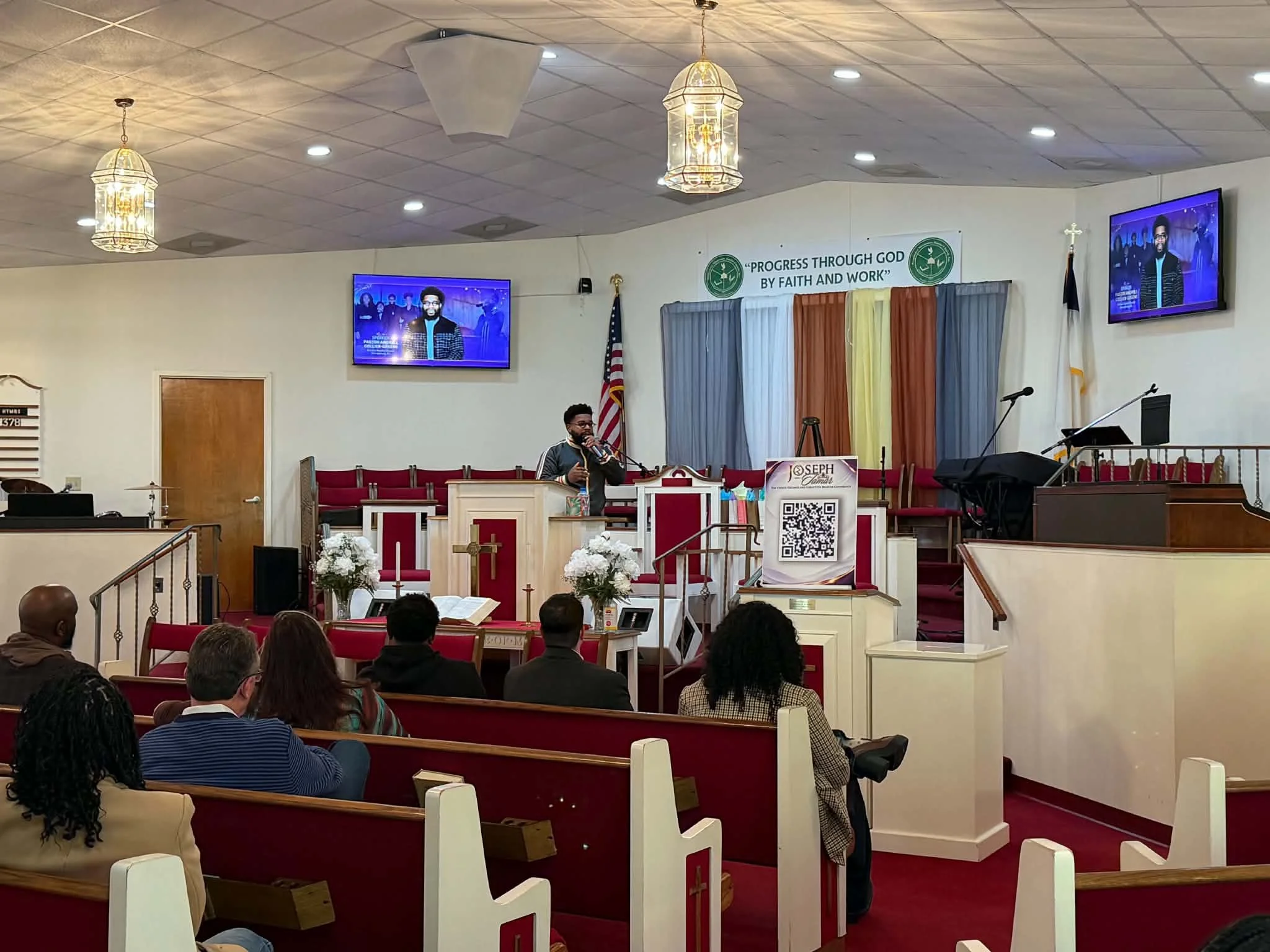
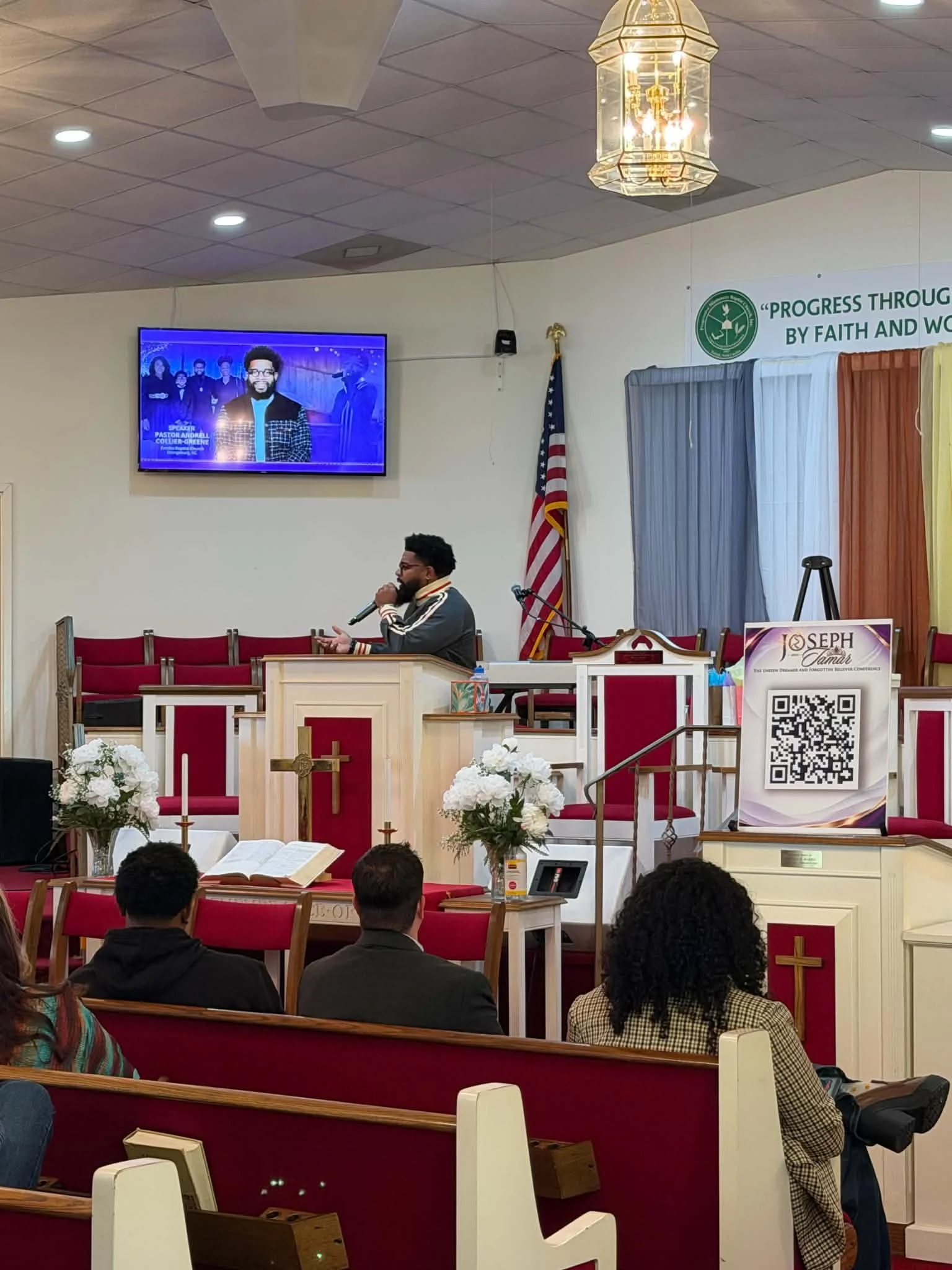
The conference concluded with Pastor Andrell D. Collier-Greene of Exodus Baptist Church, whose message brought the experience full circle. We began with “You had a name before you had a story,” and concluded with “You have a voice.”
The connection was profound. Recognizing someone's name affirms their identity, while recognizing their voice affirms their agency. It is one thing to acknowledge someone's existence; it is another to respect their right to speak, question, challenge, and determine how their experiences are shared.
For survivors, having a voice means retaining ownership of their stories. For spiritual leaders, it means understanding that authority must never eliminate accountability. For communities, it means recognizing that listening should lead to reflection and meaningful action.
In the hours following the conference, messages of encouragement and gratitude began arriving. One supporter shared, “Heard it was off the chain. Im so happy for you congrats!!” Another attendee wrote, “I never dreaded leaving an event so much!! Man that was awesome.” Others expressed appreciation for the thoughtful organization, powerful presentations, and opportunity to participate in something meaningful.
One contributor shared, “Bro thank you so much for allowing me be part of the conference! I'm so grateful for the experience and I'm so glad things came together!”
These reflections reminded us that the impact of an experience cannot always be measured by attendance numbers or the successful execution of an agenda. Sometimes, its greatest significance is found in whether people felt seen, heard, respected, and encouraged to continue the conversation.
None of this would have been possible without the collective commitment of individuals and organizations who believed in the necessity of this work.
Love Is A Parable extends heartfelt appreciation to Pastor Christina L. Mial and Daughters of Destiny for their partnership, and to Rev. Dr. Robert C. Walker-Smith and Progressive Missionary Baptist Church for graciously opening their doors to this important gathering.
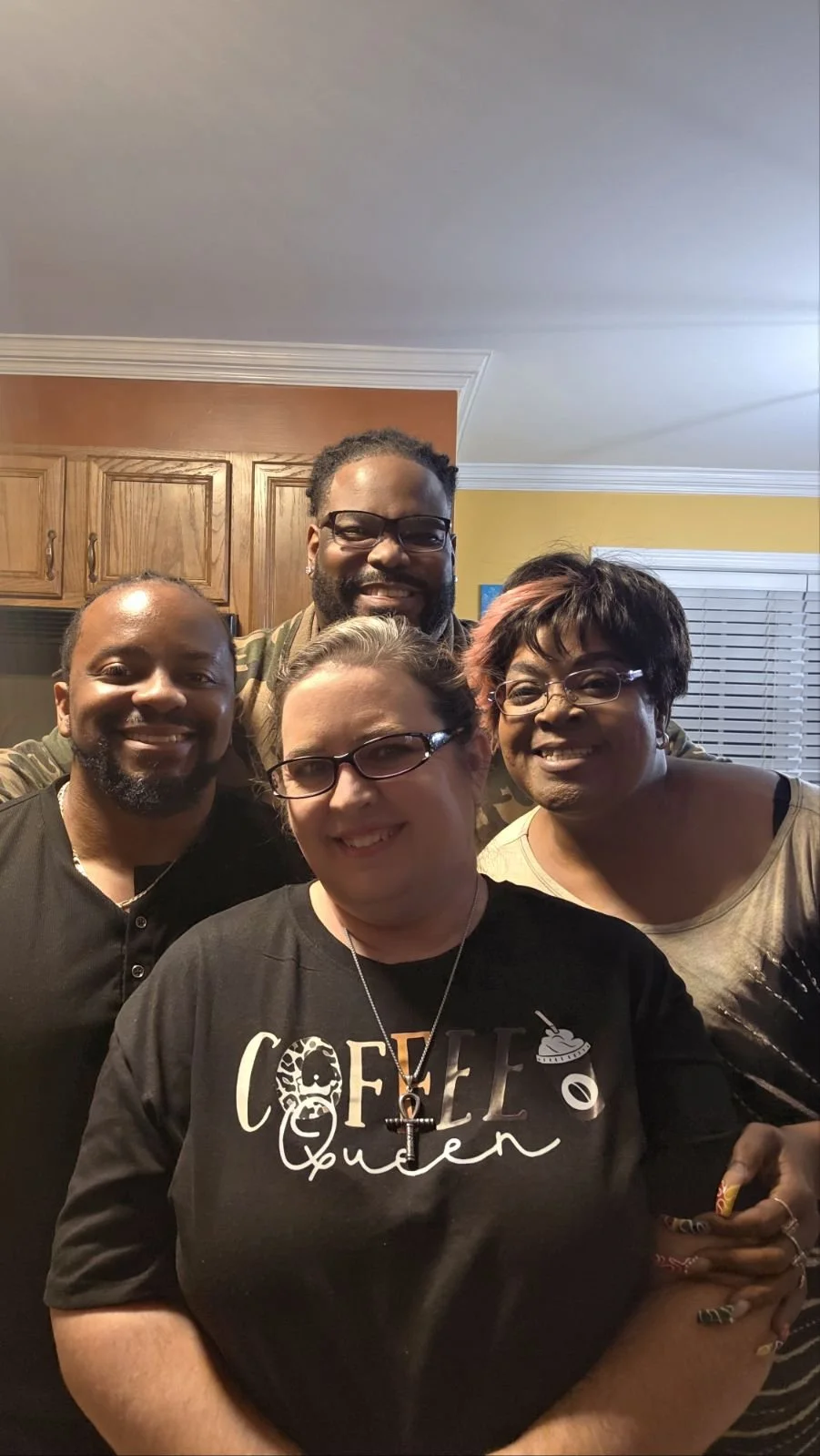
We extend special gratitude to the Love Is A Parable Board Members, whose dedication, sacrifice, leadership, and willingness to serve helped transform a vision into a meaningful experience. From planning and coordination to the many responsibilities carried behind the scenes, their contributions were instrumental in bringing the conference together. Their commitment reminds us that bridge-building is not accomplished through the efforts of one person, but through individuals willing to invest their time, talents, and resources in something greater than themselves.
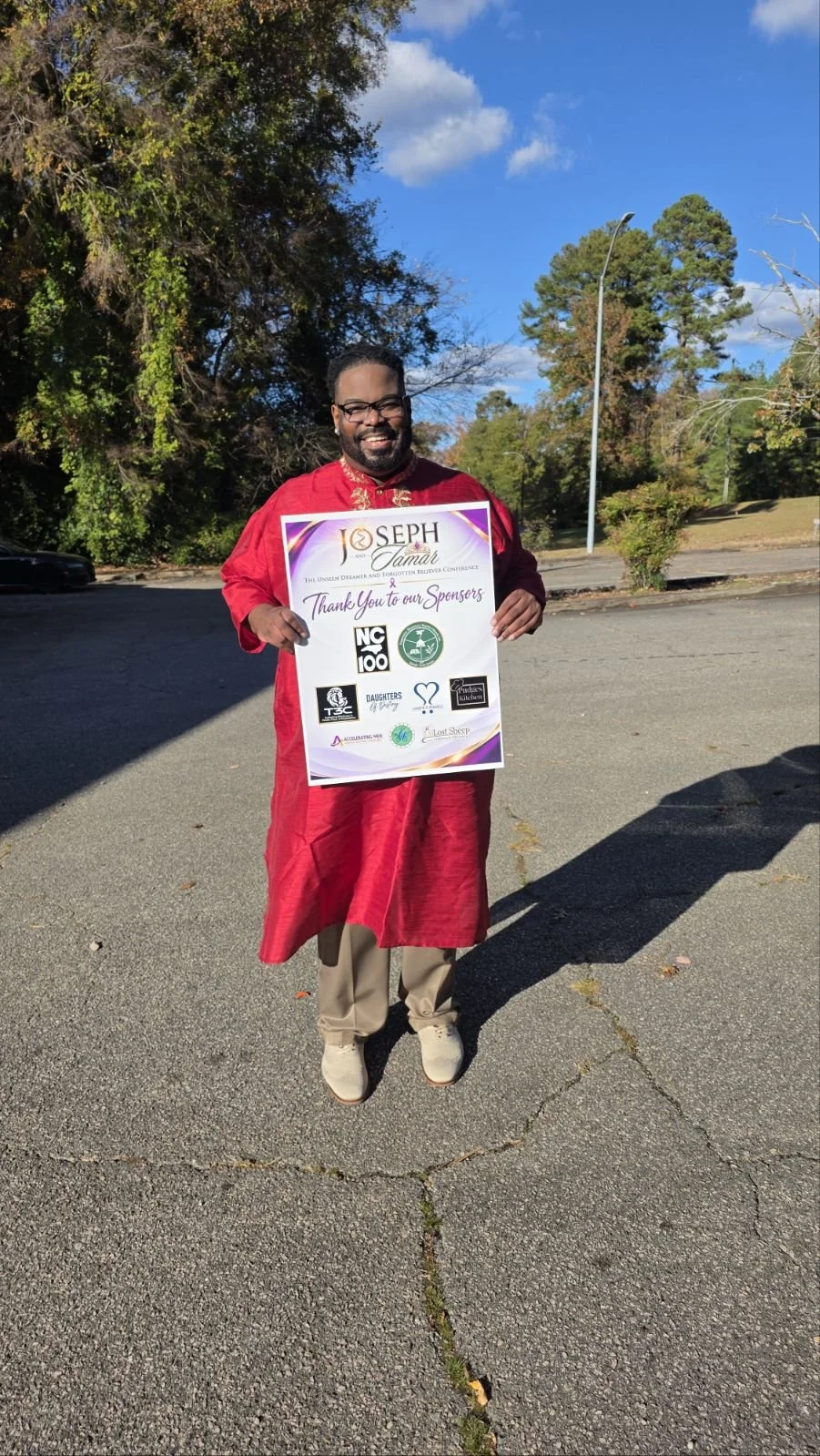
Special recognition is also extended to NC 100, The Counter Culture Co., Pudge's Kitchen, Life Church, Accelerating Men Always Moving Forward, Kimberly & Kimberly, Lost Sheep Outreach Ministry, Restoration Tabernacle of Praise, and Renewed Strength Counseling Services.
We gratefully acknowledge individual donors and supporters Lisa Yebuah, Jonathan Yancey, Merald Holloway, Matthew Pridgen, Marion J. Tucker, Atlas Helaire, Shan-Tika Watkins, Tammera Hill, Ahmed Radwan, Adam Wade, and Mark Campbell. Our appreciation extends equally to every speaker, panelist, volunteer, vendor, mental health professional, and participant who helped make the conference possible.
As with any inaugural gathering, there are lessons to incorporate, logistical details to refine, and opportunities to improve. However, the response to this first experience made one thing clear: Joseph & Tamar will return.
What distinguished this conference was not simply the subject matter, but the willingness to bring together conversations and resources that are too often kept separate: faith and mental health, spiritual authority and accountability, survivors and community leaders, healing and prevention.
We did not gather with the expectation that every question would be answered or every experience resolved in a single day. We gathered to begin a conversation that could lead to meaningful change, while providing examples of how that change can be experienced.
The true measure of this work will be found in what happens next. Will we listen differently? Will we examine the language we use? Will we create room for experiences that challenge our assumptions? Will we protect the dignity of individuals even when doing so requires uncomfortable conversations?
These questions should not remain unanswered simply because the conference has concluded. They should inspire continued reflection, intentional conversations, and meaningful action within our communities and institutions.
To support that continued work, we invite you to visit the Joseph & Tamar Conference page to access our Safety and Reconciliation Guide, a resource intended to encourage reflection and help individuals and organizations consider practical approaches to creating safer sacred spaces.
We also invite faith communities, organizations, and community leaders to partner with Love Is A Parable through workshops, collaborative initiatives, and opportunities to support our mission. Whether through financial contributions, sharing our work, or inviting us into your spaces, your involvement helps extend these necessary conversations beyond a single gathering.
The inaugural Joseph & Tamar Conference reminded us that we do not have to share someone's experience to respect it, agree with every perspective to listen compassionately, or fully understand someone's journey to recognize their right to be heard.
Perhaps most importantly, we were reminded that silence can carry many meanings. Sometimes it reflects fear, sometimes protection, sometimes uncertainty, and sometimes the absence of a space where someone feels safe enough to speak.
Whatever its meaning, one truth remains:
Because faith should never require silence to survive.
About Love Is A Parable
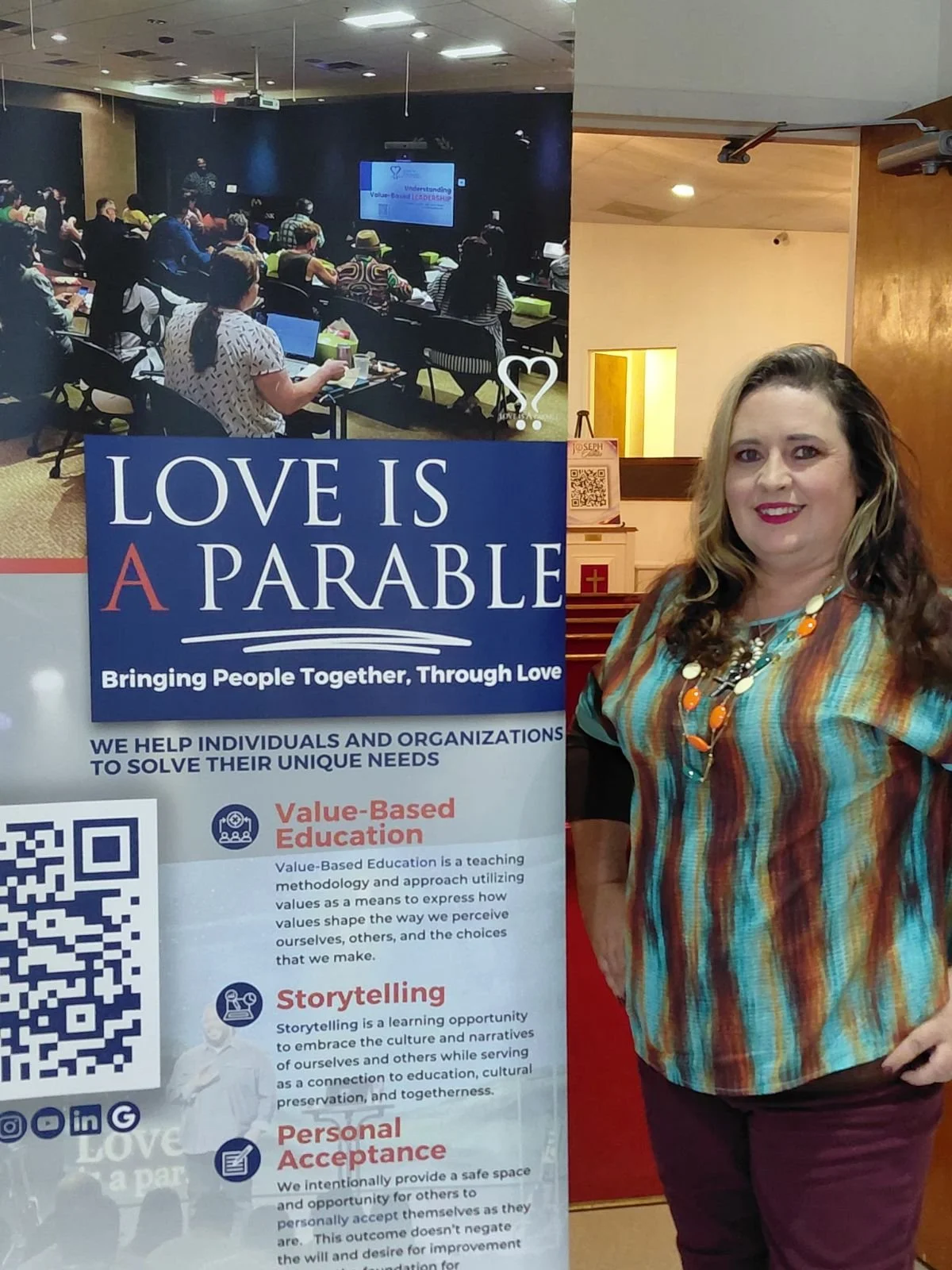
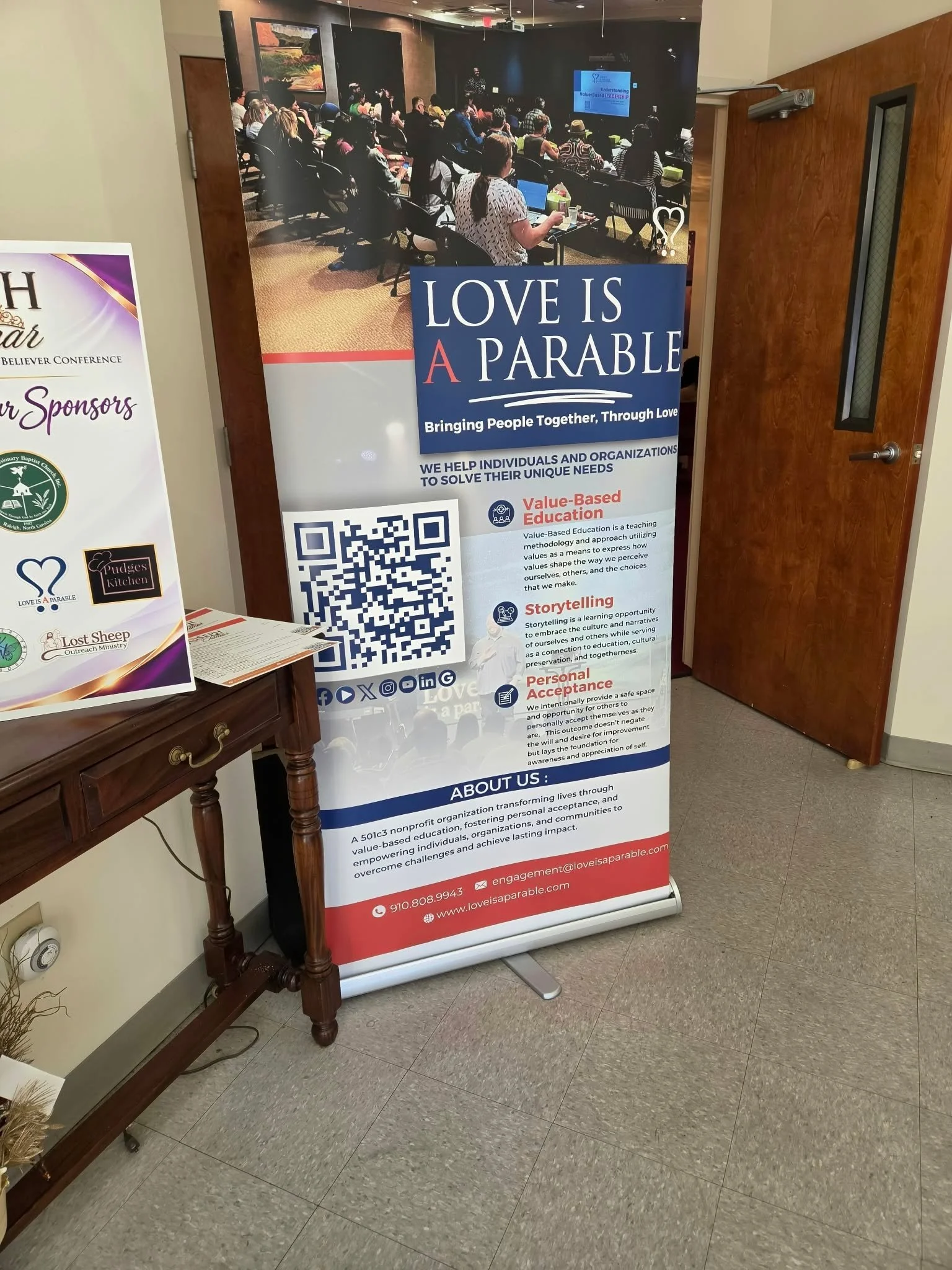
Love Is A Parable, an initiative of Altar and Dwelling Place, Inc., is a nonprofit organization dedicated to bringing people together through value-based education, reflective storytelling, and personal acceptance. Through workshops, community engagement, and collaborative initiatives, the organization creates opportunities for meaningful reflection, personal growth, and stronger connections across communities.
For information about future Joseph & Tamar Conference initiatives and opportunities for collaboration, visit www.loveisaparable.com.

J. Dwayne Garnett, BSRT, MHA, QP
Chief Executive Officer
Love Is A Parable
Available for Empowerment Speaking Engagements, Consultations, Uncovering Sessions, and Instruction.
Find out more about J by clicking HERE!